
The sentencing of a Cornish farmer over a series of serious cattle attacks on one of Britain’s most popular walking routes has drawn renewed attention to the responsibilities landowners hold where livestock and public access intersect. Beverley Chapman, of Tembleath Farm near St Columb Major, was fined and ordered to pay substantial costs after admitting a breach of health and safety law following incidents that left one elderly walker with life-threatening injuries and placed others in immediate danger near a cliff edge.
The case, heard at Bristol Magistrates’ Court in December 2025, arose from two separate attacks involving the same herd of cattle on the South West Coast Path during the summer of 2024. Prosecutors and regulators said the incidents were preventable and highlighted failures to act even after the risks had become evident. The South West Coast Path is a nationally significant public right of way, attracting millions of walkers each year and passing through working farmland for long stretches.
While encounters with livestock are common and usually uneventful, the Health and Safety Executive has repeatedly warned that cows with calves can present a heightened and unpredictable risk, particularly to walkers accompanied by dogs. In this case, the court heard that clear guidance existed, alternative grazing options were available, and early warning signs were ignored. The outcome has been viewed by regulators as an important reminder that public safety obligations do not diminish in rural settings and that failures can carry serious legal consequences.
The Cow Attacks at Park Head and Their Consequences
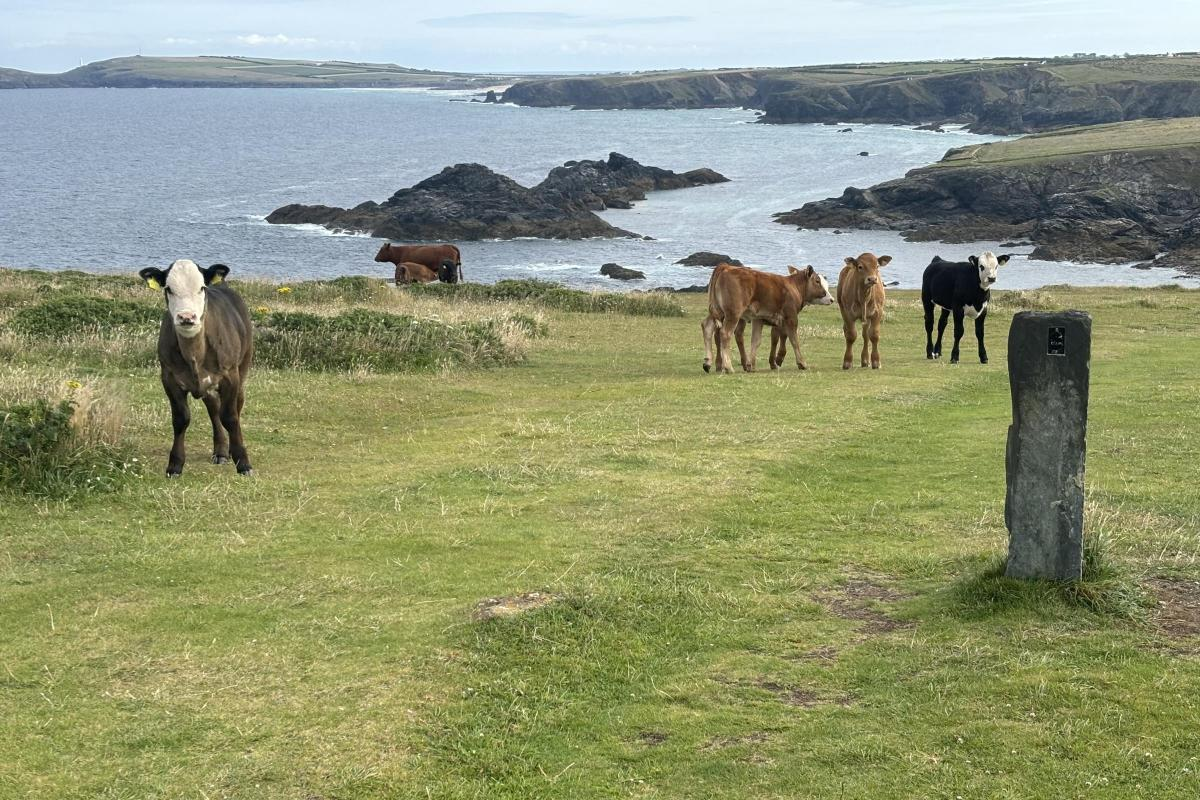
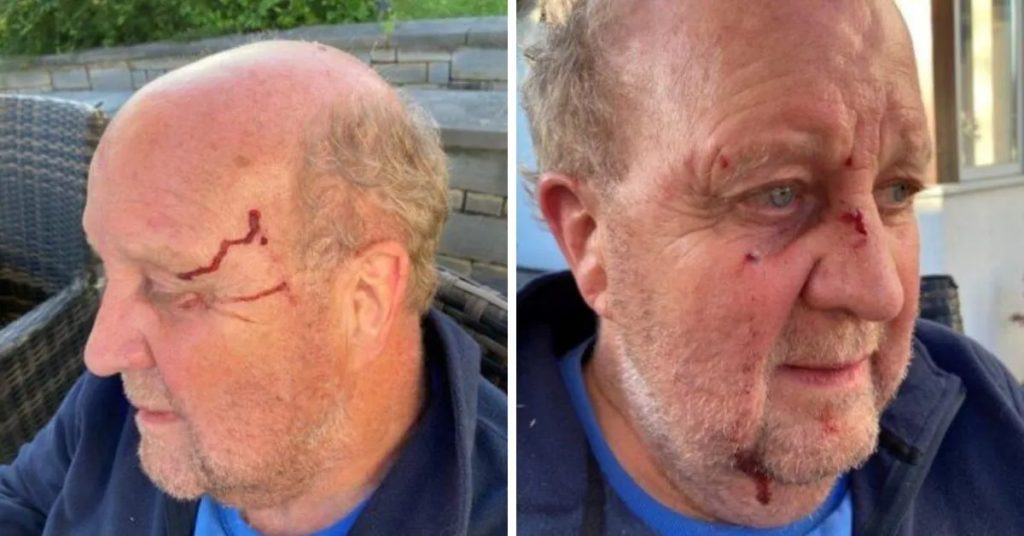
The first incident occurred on 30 June 2024 at Park Head, near Porthcothan, a coastal area where the South West Coast Path crosses farmland owned by Beverley Chapman. Brian Gregory, a 75-year-old holidaymaker, was walking along the path with his labrador, Molly, when he encountered a herd of cattle that included cows with young calves. According to evidence presented to the court, the animals became aggressive and charged at him. He was trampled and butted, sustaining multiple severe injuries, including a severed artery, horn puncture wounds, and deep gashes. He was taken to hospital, where he remained for five days and underwent surgery to treat his injuries.
Medical professionals described his condition as life-threatening, and the Health and Safety Executive later stated that it was fortunate the attack was not fatal. The incident was reported to the relevant authorities, and Beverley Chapman was made aware that a serious injury had occurred involving her cattle on land crossed by a public footpath. Despite this knowledge, no immediate steps were taken to remove the herd from the area or to prevent further contact between walkers and the animals.
A second incident followed approximately one month later, again involving the same herd in the same location. Two local residents were walking their dogs along the path when they were charged by cattle. Faced with the immediate threat of attack, they were forced to take refuge in dense gorse near the cliff edge to escape the animals. While the walkers avoided serious physical injury, the situation placed them in considerable danger due to the proximity of steep drops. One of the dogs was injured badly enough to require veterinary surgery.
Read : New Zealand Removes Burp Tax on Livestock After Backlash from Farmers
Investigators from the Health and Safety Executive concluded that the risk had been both foreseeable and ongoing. The presence of cows with calves, combined with public access and the likelihood of walkers having dogs, created a scenario well known to be associated with aggressive behaviour in cattle. The fact that a second incident occurred after a severe first attack was central to the prosecution’s case and to the magistrates’ assessment of culpability.
Health and Safety Failures and Legal Responsibilities
Beverley Chapman admitted breaching Section 3(2) of the Health and Safety at Work etc. Act 1974, which places a duty on those conducting an undertaking to ensure, so far as is reasonably practicable, that people not in their employment are not exposed to risks to their health or safety. In rural and agricultural contexts, this duty extends to members of the public using rights of way that cross farmland.
The Health and Safety Executive’s investigation found that cows with young calves had been deliberately placed in a field crossed by a public right of way despite other enclosed fields being available that did not have public access. After the first attack, rather than removing the animals, Beverley Chapman added more cattle and calves to the same field. Some of the calves were as young as 42 days old, a factor known to increase the likelihood of protective aggression from cows.
HSE inspector Simon Jones told the court that even cattle that are normally calm can behave unpredictably when they perceive a threat to their calves. He stated that Beverley Chapman failed to take reasonable steps to manage the known risks, such as moving the herd to an alternative field, temporarily fencing off the path, or otherwise separating the animals from walkers. He also emphasised that the severity of Mr Gregory’s injuries underscored how serious the consequences of such failures can be.
The regulator’s guidance, set out in leaflet AIS17, advises farmers to avoid grazing cows with calves in fields with public access wherever possible. Where this cannot be avoided, farmers are expected to carry out risk assessments, consider the temperament and history of the animals, install fencing to separate livestock from paths, and provide clear signage warning the public of potential hazards. In this case, the HSE concluded that these measures were either not implemented or were insufficient to mitigate the risks.
Beverley Chapman ultimately removed the herd from the field four days after the second incident, but only after being instructed to do so by a Cornwall Council public rights of way officer. The court heard that this delay further demonstrated a lack of proactive risk management. In sentencing, magistrates imposed a fine of £5,260, ordered Beverley Chapman to pay £4,650 in prosecution costs, and applied a £2,000 court surcharge, reflecting the seriousness of the offence and the harm caused.
Wider Implications for Farmers, Walkers, and Public Rights of Way
The case has broader implications beyond the individuals directly involved, highlighting the ongoing tension between agricultural operations and public access to countryside paths. England’s extensive network of public rights of way often passes through working farms, making cooperation and responsible management essential to ensure safety. Regulators stress that the presence of livestock does not absolve landowners of their legal duties to protect members of the public from foreseeable harm.
Read : 5-Year-Old Benedict Blythe Dies from Anaphylaxis After Coming into Contact with Cow’s Milk at School
For walkers, particularly those accompanied by dogs, the case reinforces longstanding safety advice. Dogs can trigger defensive behaviour in cattle, especially among cows with calves. While members of the public are encouraged to follow guidance such as keeping dogs under close control and leaving fields calmly if threatened, the primary responsibility for managing risk remains with those who control the land and animals.
For farmers, the outcome serves as a clear warning that failure to follow established guidance can result in prosecution, significant financial penalties, and reputational damage. The availability of alternative grazing fields without public access was a critical factor in this case, undermining any argument that the risks were unavoidable. The HSE has repeatedly stated that where safer options exist, they must be used, particularly after an incident has demonstrated the potential for serious harm.
Local authorities also play a role in monitoring and enforcing safety on public rights of way, as illustrated by the eventual intervention of a Cornwall Council officer. However, the HSE has emphasised that landowners should not wait for enforcement action before addressing known hazards. Proactive assessment and early intervention are viewed as essential components of responsible land management.
The prosecution, brought by HSE enforcement lawyer Rebecca Schwartz and paralegal Gabrielle O’Sullivan, was intended to underline the importance of compliance with health and safety law in rural environments. Regulators have stated that while farming involves inherent risks, these risks must be managed in a way that does not endanger the public. The seriousness of the injuries sustained in this case, combined with the failure to act after the first attack, made enforcement action both necessary and proportionate.
As use of long-distance walking routes such as the South West Coast Path continues to grow, cases like this are likely to be closely examined by farmers, regulators, and walkers alike. The court’s decision reinforces the principle that public access and agricultural activity must coexist safely, and that when that balance is not maintained, the legal system will intervene to protect those placed at risk.