
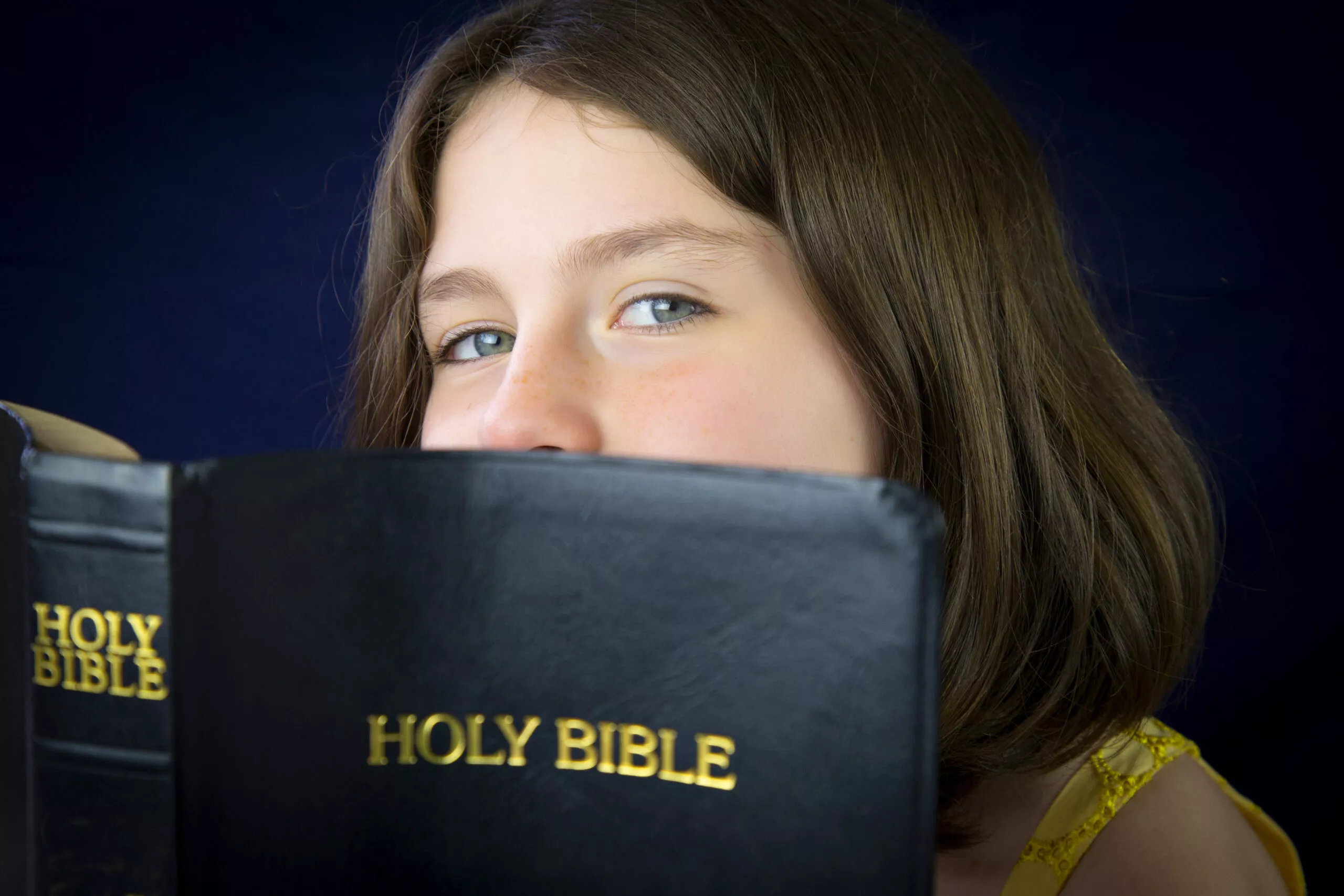
Holy Bible banned from Texas school libraries under a new law, sparking heated debates among parents and communities.
The Holy Bible, a cornerstone of religious and cultural significance, has been banned from Texas school libraries under the recently enacted House Bill 900.
This legislation, aimed at restricting books with “sexually explicit” content, has raised eyebrows for its sweeping reach, even targeting the revered text. Passed during the state’s last legislative session, the bill outlines strict standards for school libraries, prohibiting books that contain any instance of described sexual content.
The law has thrust Texas into the national spotlight, where debates about censorship and religious freedom are intensifying. The Canyon Independent School District, following this legislation, identified the Bible as falling within the “sexually explicit” category.
Superintendent Darryl Flusche, in a leaked email, clarified that while the Bible has been removed from school libraries, it remains available in other district libraries. Additionally, students interested in accessing a Bible can receive one through local churches partnered with the district.
Holy Bible banned from Texas school libraries
The removal of the Bible from school libraries has sparked a firestorm of controversy. Parents and religious advocates have decried the move, arguing that the Bible’s content provides moral guidance, comfort, and historical value.
A vocal group of parents expressed their dismay during board meetings, emphasizing the irony of equating the Bible with what they term “bad books.”
One concerned mother, Regina Kiehne, spoke passionately about the decision’s implications. She highlighted the Bible’s significance as a source of wisdom and solace, especially in times of societal chaos.
Read : 1,000-Year-Old Seed Found in Judean Desert Grows in Israel
Kiehne underscored the Bible’s historical accuracy and life-changing potential, advocating for its reinstatement in school libraries to instill values and provide a sense of security for children.
Read : Sagrada Familia: A Masterpiece began in 1882 and still incomplete
Despite these passionate arguments, critics of the legislation argue that the Bible, like many other literary works, contains narratives and depictions that fall under the definition of sexually explicit material.
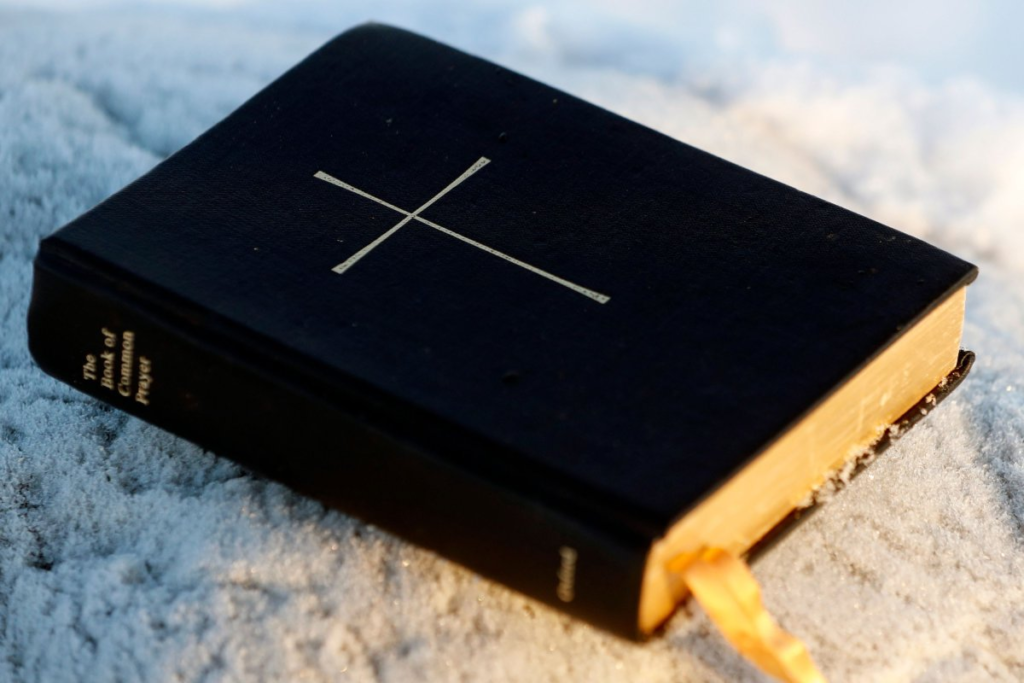
The instances cited include stories involving adultery, polygamy, and acts of sexual violence. These examples, while part of the Bible’s broader spiritual and historical context, were enough to warrant its removal under the stringent provisions of House Bill 900.
Broader Implications and the Debate Over Censorship
The banning of the Bible from school libraries highlights broader concerns about censorship and the criteria used to evaluate educational content. Proponents of the legislation argue that shielding students from explicit content is a necessary step toward creating a safe and appropriate learning environment.
However, opponents contend that such measures risk eroding cultural and educational richness by censoring works of profound historical and moral significance.
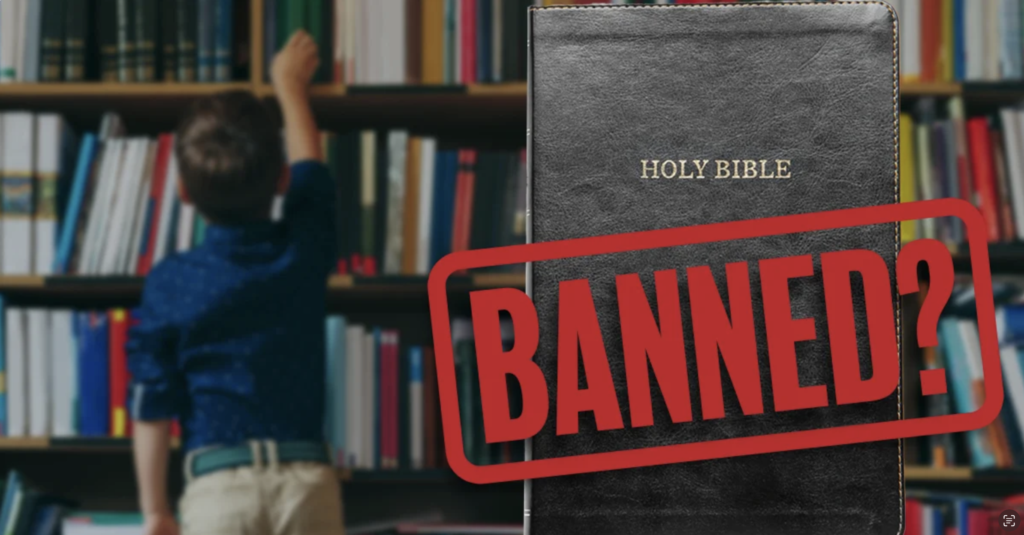
Religious leaders and educators are grappling with the implications of this decision. While the district has reassured parents of alternative access to the Bible through local churches, many see this as insufficient to address the broader issues of censorship and freedom of expression.
Critics also argue that the law’s broad language opens the door for the removal of other significant works, sparking fears of a slippery slope in educational censorship.
This situation has reignited debates about the role of religious texts in public education, the balance between protecting students and preserving intellectual freedom, and the influence of political ideologies on education policies.
As Texas navigates the complexities of implementing House Bill 900, the national conversation about the intersection of law, religion, and education continues to evolve.