
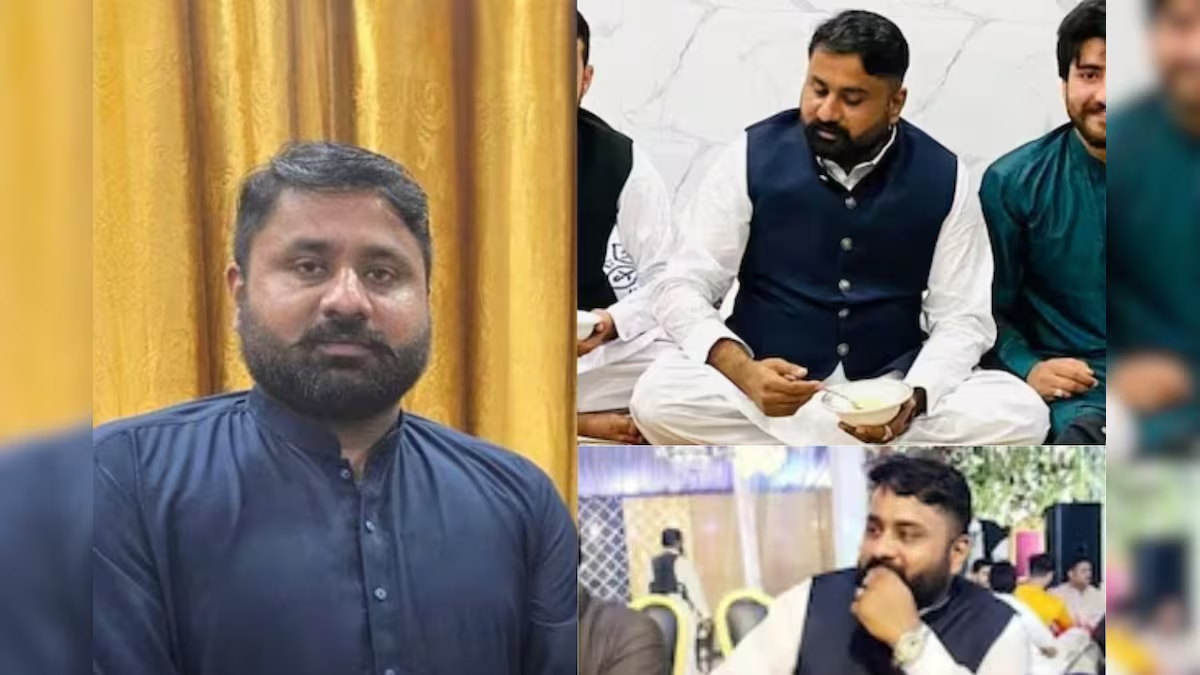
The killing of Bilal Arif Salafi inside one of the most tightly controlled and symbolically important locations linked to Lashkar-e-Taiba has drawn significant attention due to both the circumstances and the implications surrounding the incident. According to reports, Salafi was attacked shortly after offering Eid prayers at the Markaz Taiba complex in Muridke, a place long associated with the group’s ideological and operational activities.
The attack, reportedly carried out by unidentified individuals, involved both gunfire and multiple stab wounds, creating a scene of panic in what was otherwise a crowded and religiously significant gathering. The emergence of a video showing the aftermath has further intensified public focus, highlighting the vulnerability of even high-ranking figures within such organizations. The incident has raised questions about internal security, factional tensions, and the broader operational dynamics within the group.
Background and Role Within Lashkar-e-Taiba
Bilal Arif Salafi was regarded as a senior figure within Lashkar-e-Taiba, an organization widely known for its involvement in militancy and cross-border tensions. His role was not limited to operational planning but extended deeply into the ideological framework that sustains the group’s activities. Reports indicate that he played a significant part in recruitment efforts, particularly targeting young individuals and shaping their beliefs in alignment with the organization’s objectives. This role made him an important figure in maintaining the group’s continuity, as recruitment and indoctrination are central to sustaining long-term operations.
His involvement in what has been described as ideological training meant that he operated at a critical intersection between strategy and influence. Individuals in such positions are often responsible for disseminating narratives that justify and encourage participation in militant activities. Salafi’s work reportedly focused on promoting the group’s agenda related to Kashmir, framing it in a way that resonated with recruits and supporters. This ideological positioning is a key component of Lashkar-e-Taiba’s structure, as it helps maintain internal cohesion while also attracting new members.
Read : Watch Video of Tourists Beaten Up by Bar Bouncers in Thailand: One in Coma
The location where he was killed, Markaz Taiba, has long been considered a central hub for the group. It has historically been associated with training, planning, and ideological dissemination. The presence of other senior figures at the time of the incident further underscores the importance of the site and the level of activity taking place during the gathering. That such an attack could occur within this environment raises significant concerns about the internal dynamics of the organization and the level of control it maintains over its own strongholds.
Details of the Attack and Immediate Aftermath
The attack on Bilal Arif Salafi reportedly occurred in a crowded setting, shortly after Eid prayers, a time when large numbers of people were present at the Markaz Taiba complex. The timing and location of the assault added to the shock and confusion, as religious gatherings are typically considered moments of relative calm and unity. According to accounts, the attackers included at least one individual who opened fire and another who carried out a stabbing, suggesting a coordinated effort rather than a spontaneous act of violence.
Witness accounts and video footage indicate that Salafi was left seriously injured on the ground, surrounded by people attempting to assist him. The chaotic scene captured in the footage reflects both the suddenness of the attack and the lack of immediate control over the situation. Panic reportedly spread quickly among those present, further complicating efforts to respond effectively. The presence of other senior leaders at the site has also led to speculation about whether the attack was specifically targeted or part of a broader attempt to send a message.

The identity of the attackers remains unclear, with reports describing them as “unknown men.” This lack of clarity has fueled multiple theories regarding the motive behind the killing. Some interpretations suggest the possibility of internal disputes or factional rivalries within the organization, while others point to external actors seeking to exploit vulnerabilities. The use of both firearms and a knife indicates a level of determination and planning that goes beyond a random act, reinforcing the idea that the attack was deliberate and calculated.
The immediate aftermath saw heightened tension within the area, with security concerns becoming a central issue. Incidents like this often lead to increased scrutiny of internal protocols and raise questions about how such breaches can occur in locations that are presumed to be secure. The fact that the attack took place during a major religious occasion adds another layer of complexity, as it suggests that the attackers were willing to exploit a moment of reduced vigilance.
Implications and Broader Context
The killing of a senior Lashkar-e-Taiba commander inside its own headquarters carries significant implications for the organization and the broader regional context. One of the most immediate concerns is the potential impact on internal stability. The death of a figure involved in recruitment and ideological training can create gaps in leadership and disrupt established networks. Such disruptions may lead to shifts in power dynamics, as different factions or individuals attempt to fill the vacuum.
Read : Who is Saleh Mohammadi, the 19-Year-Old Iranian Wrestler Executed Amid Protest Crackdown?
There is also the question of morale within the organization. High-profile attacks on senior members can have a psychological impact, potentially undermining confidence in leadership and security measures. At the same time, such incidents can also lead to increased consolidation, as groups attempt to strengthen internal cohesion in response to perceived threats. The direction this takes often depends on the underlying causes of the attack, which in this case remain uncertain.

From a broader perspective, the incident highlights the complexities of operating within environments where multiple layers of conflict and tension exist. The fact that the attack occurred in Muridke, a location long associated with Lashkar-e-Taiba’s activities, underscores the challenges of maintaining control even in areas considered strongholds. It also raises questions about the extent to which such organizations can safeguard their key figures and infrastructure.
Another important aspect is the symbolic significance of the attack. Targeting a senior figure during a religious gathering sends a strong message, regardless of the identity of the perpetrators. It suggests a willingness to challenge established norms and exploit moments of vulnerability. This can have ripple effects, influencing how similar organizations approach security and public events in the future.
The mention of previous military operations affecting the Markaz Taiba complex adds further context to the situation. The site’s history, including reports of destruction and reconstruction, indicates that it has been a focal point of attention for some time. The ability of the organization to rebuild and continue operations reflects a degree of resilience, but the recent attack shows that vulnerabilities persist.
In the absence of confirmed information about the attackers, speculation is likely to continue. Possibilities range from internal disagreements to external targeting, each carrying different implications for how the situation may evolve. What remains clear is that the killing of Bilal Arif Salafi represents a significant event within the context of Lashkar-e-Taiba’s activities, drawing attention to both the internal and external challenges faced by the organization.
The incident also underscores the unpredictable nature of violence in such environments, where even well-established figures can become targets under unexpected circumstances. As more information emerges, it may provide greater clarity on the motives and consequences of the attack. For now, the death of Salafi stands as a reminder of the complexities and risks inherent in the networks and structures associated with militant organizations.