
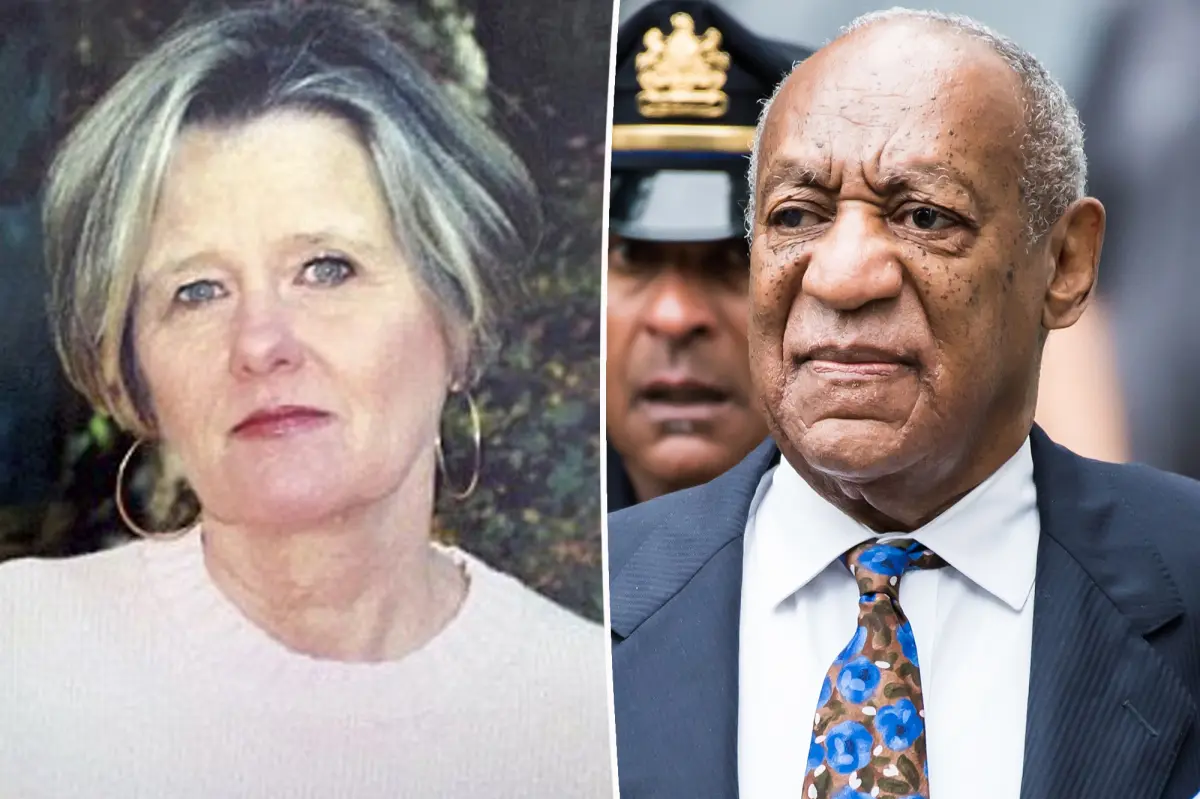
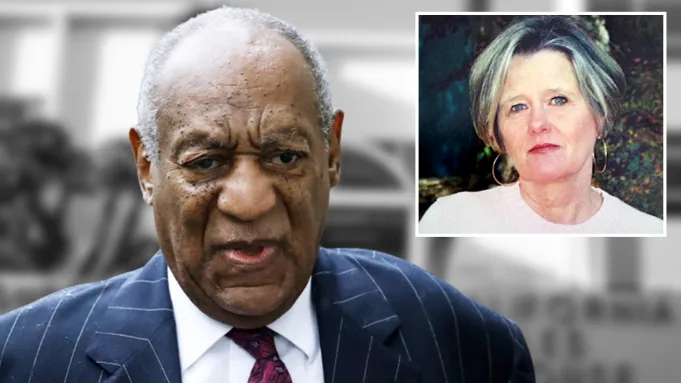
A California jury has ordered Bill Cosby to pay $19.25 million in damages to Donna Motsinger, a former waitress who accused the entertainer of drugging and sexually assaulting her in 1972. The verdict represents one of the latest developments in a long series of legal battles that have reshaped public understanding of Bill Cosby’s legacy over the past decade.
The case, heard in Santa Monica, focused on events alleged to have taken place more than fifty years ago, illustrating how historical claims continue to surface and be adjudicated within the civil court system. While Cosby has consistently denied the allegations, the jury’s decision underscores the weight that testimony and supporting evidence can carry even after significant time has passed. The ruling also highlights the evolving legal landscape for survivors of sexual assault, many of whom are now able to pursue civil action decades after the alleged incidents occurred.
A Case Rooted in Allegations from 1972
Donna Motsinger’s lawsuit centered on an encounter she claims occurred in 1972, when she was working as a waitress at a well-known restaurant frequented by celebrities in Sausalito, near San Francisco. According to her account, Bill Cosby invited her to attend one of his stand-up comedy performances. She alleged that he picked her up in a limousine and, during the journey, provided her with wine and a pill she believed to be aspirin. What followed, according to her legal complaint, was a rapid loss of consciousness that left her unable to recall events clearly.
Motsinger stated that she experienced intermittent awareness, describing flashes of light and a sense of disorientation. She later woke up at home with little memory of how she had returned, finding herself partially undressed. Based on these circumstances, she concluded that she had been drugged and sexually assaulted. Her lawsuit presented these details as the foundation of her claim, arguing that Cosby had deliberately incapacitated her.
The defense challenged this account, emphasizing inconsistencies and the absence of direct memory of the alleged assault. Bill Cosby’s legal team argued that Donna Motsinger herself acknowledged uncertainty about what had occurred, suggesting that the lack of concrete recollection weakened her case. Despite this, the jury ultimately found her testimony credible enough to support a finding of liability.
The case reflects broader challenges in adjudicating historical sexual assault claims. Evidence may be limited, memories can fade, and physical proof is often unavailable. In such situations, courts rely heavily on witness testimony, patterns of alleged behavior, and corroborating accounts when available. Over the years, numerous women have come forward with similar allegations against Bill Cosby, describing instances in which they were allegedly given substances that impaired their ability to consent.
Read : Filmmaker Morgan Spurlock, Who Ate McDonald’s for a Month, Dies at the Age of 53
While each case is evaluated individually, the recurrence of comparable claims has played a role in shaping public perception and legal arguments. The jury’s decision to award substantial damages indicates that they found Motsinger’s account persuasive. The compensation includes both economic and non-economic damages, reflecting the long-term impact the alleged incident had on her life. The possibility of additional punitive damages remains open, which could further increase the financial consequences for Cosby depending on subsequent proceedings.
Legal Context and Cosby’s Ongoing Battles
The ruling in favor of Motsinger is part of a larger legal narrative surrounding Bill Cosby, whose career and reputation have been significantly affected by allegations of sexual misconduct spanning several decades. Once celebrated as a pioneering figure in television and comedy, his public image underwent a dramatic transformation as numerous women accused him of similar behavior. These accusations ranged from sexual harassment to rape, with many involving claims of drugging.
In criminal court, Bill Cosby was previously convicted in Pennsylvania in 2018 on charges related to the sexual assault of Andrea Constand. He served nearly three years of a prison sentence before the conviction was overturned in 2021 due to a procedural issue involving a prior agreement with prosecutors. The decision to vacate the conviction was based on legal technicalities rather than a reassessment of the underlying allegations, allowing Cosby to regain his freedom but not necessarily restoring his reputation.
Read : Anonymous $1 Million Donation Helps Nurses at Bryn Mawr Hospital Pay Down Student Loan Debt
Civil cases, such as Donna Motsinger’s, operate under a different standard of proof than criminal cases. While criminal trials require guilt to be established beyond a reasonable doubt, civil cases rely on a preponderance of the evidence, meaning that a claim is more likely than not to be true. This lower threshold often enables plaintiffs to pursue justice even when criminal prosecution is not possible or successful.
Legislative changes in several jurisdictions have also played a crucial role in enabling cases like this one to proceed. Laws extending or temporarily lifting statutes of limitations for sexual assault claims have allowed individuals to file lawsuits long after the alleged incidents occurred. These legal reforms were designed to address the unique challenges faced by survivors, including delayed reporting due to trauma, fear, or social stigma.
Bill Cosby’s legal team has indicated plans to appeal the verdict, suggesting that the case may continue through higher courts. Appeals in civil cases typically focus on alleged errors in the trial process, such as the admission of evidence or jury instructions, rather than re-evaluating the facts from scratch. The outcome of any appeal could influence not only this case but also others involving similar claims.
The accumulation of lawsuits and allegations has had a lasting impact on Bill Cosby’s legacy. Once widely regarded as a cultural icon, he has become a central figure in discussions about accountability, power dynamics, and the treatment of sexual assault allegations within both the entertainment industry and the legal system. Each new case adds another layer to this complex and evolving narrative.
Implications for Survivors and the Justice System
The jury’s decision carries broader implications beyond the individuals directly involved. For survivors of sexual assault, particularly those whose experiences date back many years, the case demonstrates that legal recourse may still be possible. The willingness of courts to hear such cases reflects a shift in societal attitudes, with greater recognition of the barriers that have historically prevented victims from coming forward.
Read : 2,000 Years Old Coin Unknowingly Used to Pay for Bus Ride
The awarding of substantial damages also signals an acknowledgment of the long-term consequences of alleged abuse. These consequences can include emotional distress, psychological trauma, and disruptions to personal and professional life. By quantifying these impacts in monetary terms, the legal system attempts to provide a form of redress, even though financial compensation cannot fully address the harm experienced.
At the same time, cases involving historical allegations raise complex questions about fairness and due process. Defendants may face challenges in mounting a defense when evidence is scarce and witnesses are unavailable. Courts must balance the need to provide justice for plaintiffs with the obligation to ensure that defendants receive a fair trial. This tension is a defining feature of many such cases and continues to shape legal debates.
The Cosby case also reflects the broader influence of the #MeToo movement, which has encouraged individuals to share their experiences and seek accountability. While the movement itself is not directly tied to any specific legal action, its cultural impact has contributed to an environment in which allegations of misconduct are taken more seriously and examined more thoroughly.
Public reaction to the verdict has been mixed, reflecting differing perspectives on both Bill Cosby’s guilt and the reliability of decades-old claims. Supporters of Motsinger view the decision as a long-overdue acknowledgment of her experience, while others express concern about the evidentiary standards applied in such cases. These differing viewpoints highlight the ongoing complexity of addressing sexual assault allegations within the legal system.
As the case moves forward, particularly if an appeal is pursued, it will continue to draw attention to the challenges and opportunities associated with seeking justice for historical claims. Regardless of the final outcome, the verdict represents a significant moment in the ongoing effort to address allegations of sexual misconduct and to provide avenues for accountability.
The broader implications extend to legal institutions, policymakers, and society as a whole. The case underscores the importance of adapting legal frameworks to better accommodate the realities faced by survivors, while also maintaining principles of fairness and due process. It serves as a reminder that the pursuit of justice can be a long and complex journey, often unfolding over decades rather than years.