

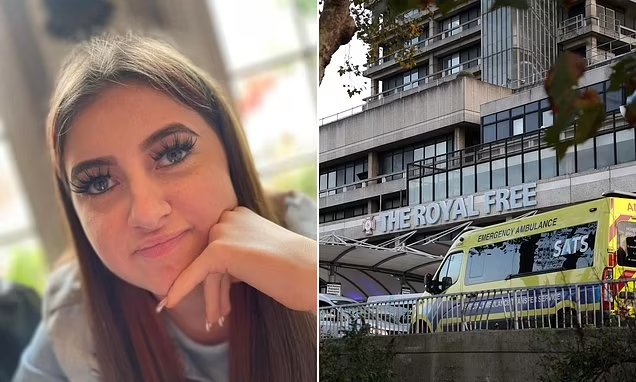
16-year-old Billie Wicks who Died of First Ever Asthma Attack has raised serious concerns about patient care and monitoring at London’s Royal Free Hospital. Billie, who had never experienced an asthma attack before, was taken to the hospital on September 17, 2023, after struggling to breathe.
Her parents, alarmed by her condition, sought immediate medical attention, but instead of receiving the thorough care she needed, Billie was wrongly discharged without a proper diagnosis. A coroner’s report has now highlighted a recurring failure at the hospital regarding patient observations, leading to fears that similar cases may arise if systemic issues are not addressed.
Lack of Observations and Staffing Issues at the Royal Free Hospital
Senior coroner for Inner North London, Mary Hassell, conducted a thorough inquest into Billie’s death and identified significant lapses in medical care.
One of the key findings was that Billie should have undergone routine observations every hour, which would have allowed medical staff to assess the severity of her condition. However, these essential checks were not carried out, leading to a gross misjudgment of her illness.
Had Billie received the necessary hourly observations, medical professionals would have recognized that her condition was worsening, prompting a reassessment of her case. The coroner concluded that if these standard medical protocols had been followed, Billie would have likely survived.
Instead, she was discharged at approximately 3:30 AM without a senior clinical review or adequate repeat observations. The decision to send her home proved fatal, as her undiagnosed asthma attack continued to escalate, ultimately leading to her tragic death.
The inquest also revealed that the A&E department at the Royal Free Hospital was severely understaffed on the night Billie was admitted. Doctors, nurses, and even basic healthcare assistants who could perform routine observations were in short supply.
Read : Emerging Health Challenges: Exploring the Top 10 widely Growing Diseases in the Modern World
This chronic understaffing not only affected Billie’s case but also posed a danger to other patients requiring urgent care. The coroner emphasized that a lack of personnel in emergency departments can directly impact patient safety and lead to preventable deaths.
The Pattern of Negligence: Other Cases of Medical Failures
Billie’s case is not the first instance of inadequate medical care at the Royal Free Hospital. Coroner Mary Hassell referenced the case of four-year-old Daniel Klosi, who tragically died from sepsis at the same hospital in 2023.
Daniel had been taken to the hospital four times in the week leading up to his death, yet his condition was not properly recognized or treated in time. Similar to Billie Wicks’s case, the lack of consistent and thorough observations played a significant role in the failure to diagnose and treat his illness effectively.
The report on Daniel’s death pointed to systemic failures within the hospital, particularly concerning patient monitoring. The fact that both Billie and Daniel’s cases share the same underlying issue—neglecting routine observations—suggests an ongoing pattern of negligence.
Following Daniel’s inquest, a prevention of future deaths report was issued, yet the same failures were repeated in Billie’s case. This raises serious concerns about whether sufficient corrective actions have been taken to improve patient care at the hospital.
Moreover, the issue of “safety-netting” was brought up during the inquest into Billie’s death. Safety-netting is a standard practice where patients and their families are advised to return to the hospital if symptoms worsen.
However, the coroner pointed out a critical flaw in this approach—Billie’s parents had already demonstrated concern by bringing her to the hospital in the first place.
After being reassured by medical professionals that Billie was well enough to go home, their instinct to seek further help may have been diminished. By the time Billie’s condition deteriorated again, the opportunity for timely intervention had been lost.
Calls for Change and the Hospital’s Response
The inquest findings have led to growing calls for urgent improvements in patient care at the Royal Free Hospital. Families, medical professionals, and patient advocacy groups are demanding that measures be put in place to prevent further tragedies like Billie’s.
The coroner’s report has recommended increased staffing levels in the hospital’s emergency department, especially during nights and weekends when resources are stretched thin. Ensuring that every patient undergoes the necessary observations and senior clinical reviews before discharge is another critical step toward improving patient safety.
In response to the inquest, a spokesperson for the Royal Free London issued a statement expressing condolences to Billie’s family and acknowledging the hospital’s failures.
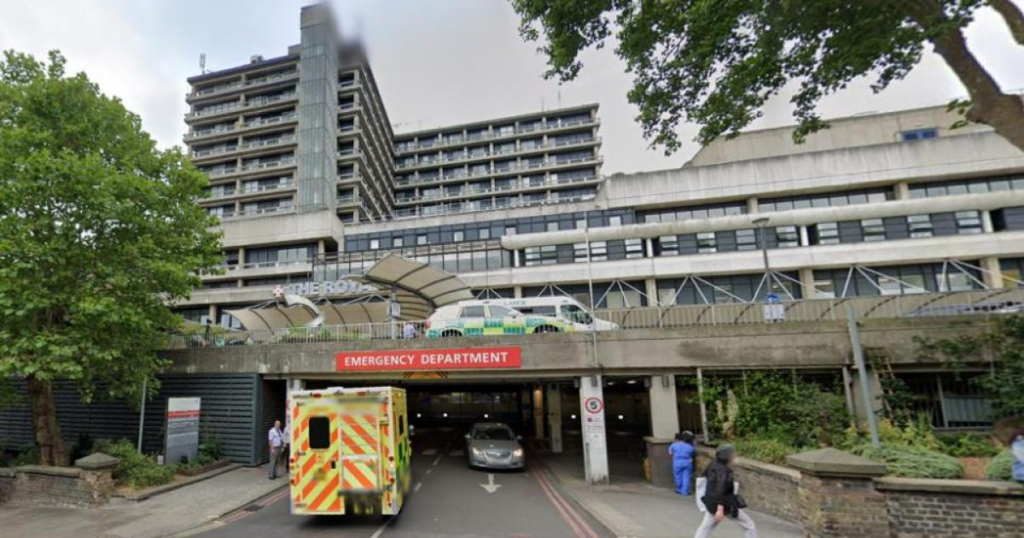
They stated that steps had been taken to increase staffing in the children’s emergency department and improve the process for alerting senior clinicians when abnormal test results are received. However, many believe that more needs to be done to address the root causes of these systemic failures.
The tragedy of Billie Wicks serves as a stark reminder of the consequences of inadequate medical care and hospital understaffing. Her case highlights the urgent need for reforms in patient monitoring and emergency care protocols. As Billie’s family continues to grieve, they are also advocating for changes that could save lives in the future.
Ensuring that hospitals prioritize patient safety, enforce strict observation protocols, and allocate sufficient resources to emergency departments is essential in preventing similar heartbreak for other families. Billie Wicks’s death was preventable, and it is now up to the healthcare system to ensure that no other patient suffers the same fate.