
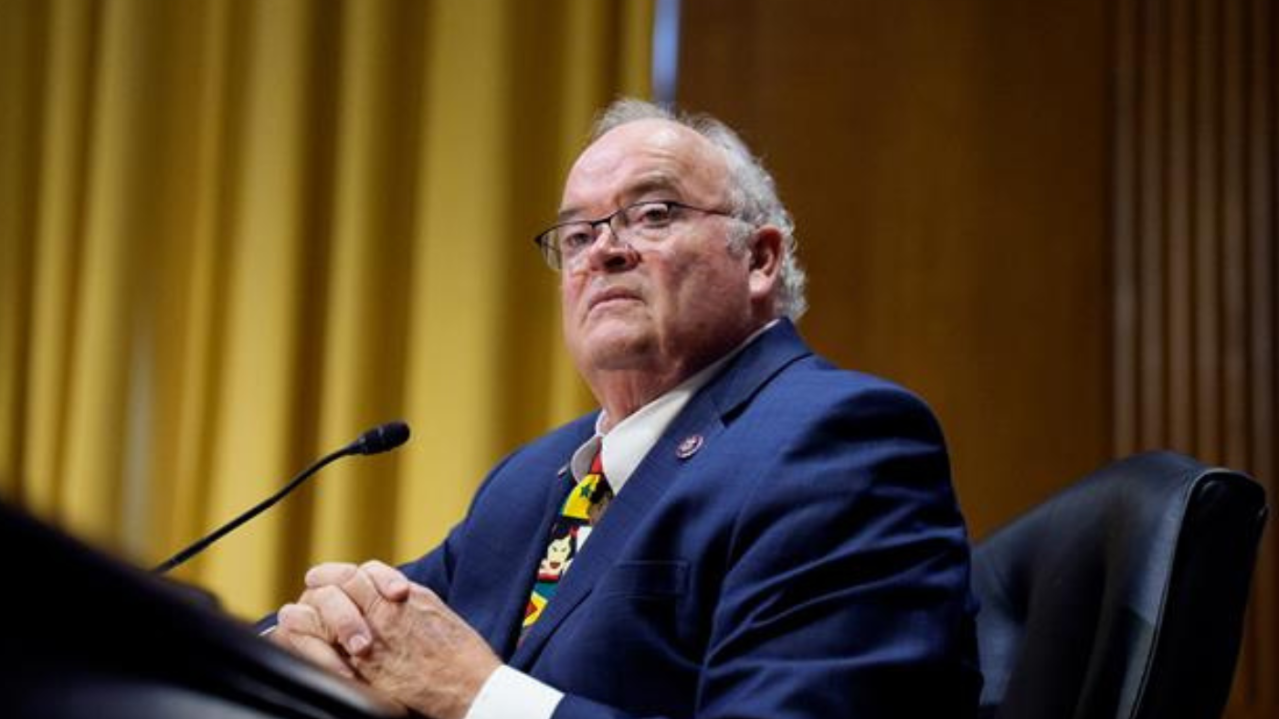
In a move that surprised even seasoned political observers, President Donald Trump has removed Billy Long from his position as Commissioner of the Internal Revenue Service (IRS) less than two months after he was sworn in. Long, a former congressman from Missouri, became the 51st commissioner in June with a term slated to last until November 2027, but his time at the helm was cut drastically short. His tenure now stands as one of the briefest in the agency’s long history, adding yet another twist to the often unpredictable political landscape of the Trump administration.
According to a White House official and a source familiar with the matter, Treasury Secretary Scott Bessent will temporarily step in as acting commissioner. While the IRS is no stranger to leadership changes, the speed of Long’s departure is unprecedented in modern times. The timing comes shortly after the implementation of new substantial tariffs and the signing of significant tax cuts and code changes into law, all hallmark policies of the Trump administration.
Long’s swift exit coincides with reports that he is now expected to be nominated for the position of U.S. Ambassador to Iceland. This unexpected shift from tax administration to diplomacy adds a layer of intrigue, particularly given the lighthearted way Long addressed the transition on social media.
A Short but Politically Charged Appointment
When Billy Long was sworn in as IRS commissioner in June, he stepped into a role with immense responsibility. The IRS, tasked with administering and enforcing federal tax laws, often operates under intense scrutiny, especially during politically volatile periods. Long’s appointment was seen by many as a reward for his steadfast loyalty to President Trump during his time in Congress. Known for his outspoken style and strong alignment with the administration’s policy priorities, he was positioned as a political ally rather than a traditional technocrat.
During his brief tenure, Long oversaw the agency at a time of major fiscal shifts. The Trump administration had recently pushed through notable tax code changes, aiming to simplify the tax process for individuals and businesses while lowering rates. Additionally, the president’s newly enacted tariffs were beginning to take effect, creating ripple effects across the economy that would inevitably impact IRS operations.
Read : 25-Year-Old Kashish Chaudhary Becomes First Hindu Woman Assistant Commissioner in Balochistan
The agency itself was also adjusting to structural changes following job cuts mandated by the so-called “department of government efficiency,” a temporary government initiative led by billionaire entrepreneur Elon Musk.
Read : Who Is Lindy Cameron: The UK’s First Woman Envoy to India
These cuts were part of a broader Trump-era push to streamline federal agencies, though critics argued they risked undermining core functions. For Long, managing these changes while navigating the complex political dynamics of Washington proved to be a formidable challenge—one that ended abruptly before he could establish a long-term vision for the agency.
The Sudden Shift to Diplomacy
Reports from The New York Times and NBC News indicate that Long is expected to take on a new role as the U.S. Ambassador to Iceland. For a man whose most recent focus was domestic tax administration, the appointment to a diplomatic post in one of the world’s most geopolitically stable nations may seem like a dramatic shift in responsibilities.
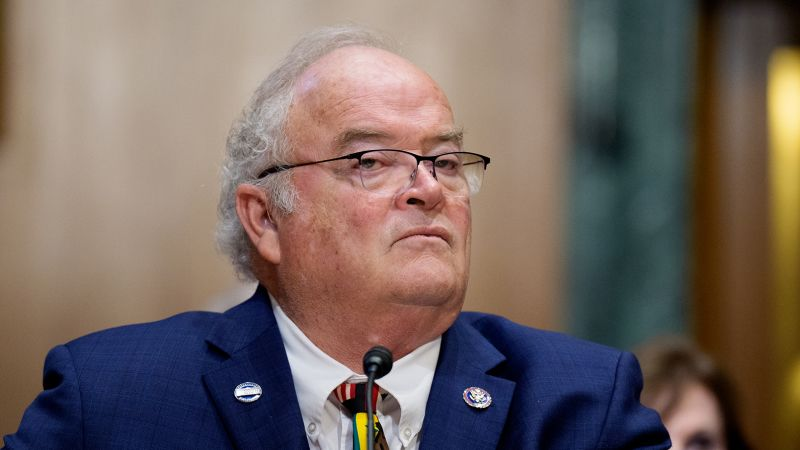
Long himself took to the social media platform X to frame the change with humor. “I am excited to take on my new role as the ambassador to Iceland,” he wrote. “I am thrilled to answer [Trump’s] call to service and deeply committed to advancing his bold agenda. Exciting times ahead!” He even joked about a possible mix-up between “Iceland” and “ICE” (Immigration and Customs Enforcement), quipping: “I guess he thought I said Iceland? Oh well.”
While the Iceland appointment has yet to be officially confirmed, such diplomatic postings are often used by presidents as both political rewards and strategic placements. Iceland, though small in size, holds importance in Arctic geopolitics and as a NATO member. For the Trump administration, placing a loyal ally there may serve both symbolic and practical purposes.
What This Means for the IRS and the Trump Administration
The removal of Billy Long so early in his term is unusual and could have implications for the IRS and the broader political landscape. The agency, already dealing with budget constraints, operational restructuring, and the fallout from recent tax and trade policies, will now have to adapt to yet another leadership change. Acting Commissioner Scott Bessent, who is also serving as Treasury Secretary, will be tasked with steadying the ship until a permanent replacement is named.

For President Trump, the decision to reassign Long underscores his characteristic approach to appointments: loyalty is paramount, but flexibility in reassigning trusted allies is equally important. It also reflects the administration’s tendency to shuffle personnel quickly, sometimes with little public explanation, in order to align government agencies with evolving political goals.
Long’s departure is a reminder of how rapidly fortunes can change in Washington, particularly under an administration that thrives on swift and sometimes unpredictable moves. Whether his brief tenure will be remembered as a political blip or as a curious footnote in IRS history remains to be seen. What is clear is that Billy Long’s journey from Congress to the IRS to a potential ambassadorship in Iceland is emblematic of the fluid and often surprising nature of political careers in the Trump era.
References:
Online pokies
References:
https://schoolido.lu/user/saltcod8/
References:
Choctaw casino durant oklahoma
References:
https://pikidi.com/seller/profile/dangergirl5
References:
Legal steroids
References:
http://35.207.205.18:3000/fwwkenny439590/139.196.103.1141997/wiki/SP-Lipo-Fire
References:
Side effects of steroids for women
References:
http://43.139.2.237:3000/winnie04268795/1492feleempleo.es/wiki/How-to-Take-Dianabol%3A-Understanding-Risks-and-Benefits
References:
Turn fat to muscle pills
References:
https://www.chembans.com/@karolkirch8775
References:
Dmaa long term side effects
References:
https://git.nulldirect.com/gerardovfo3728
First off I would like to say awesome blog! I had a quick question that I’d like to ask if you do not mind.
I was interested to find out how you center yourself and clear your head prior to writing.
I have had a hard time clearing my mind in getting my
thoughts out there. I truly do take pleasure in writing but it
just seems like the first 10 to 15 minutes tend to be wasted just trying to
figure out how to begin. Any ideas or hints? Cheers!
References:
https://www.marocbikhir.com/user/profile/636254
References:
Instant Casino PayPal einzahlen
References:
https://undrtone.com/engineyoke03
References:
Instant Casino mobile spielen
References:
https://lynch-hanley-5.technetbloggers.de/die-besten-trustly-casinos-2026-sichere-und-schnelle-zahlungen-fur-ihr-online-gaming-erlebnis
References:
Instant Casino Treueprogramm
References:
https://md.ctdo.de/s/qvc4Vh6GaW
References:
Instant Casino Bonus Code
References:
https://lindhardt-frazier-3.technetbloggers.de/beste-online-spielothek-75-freispiele-ab-1-einzahlung-100-legal-1774630518
References:
Megabolix steroids
References:
https://pads.zapf.in/s/o6aiibKjcL
References:
How can you tell if someone is using steroids
References:
https://long-mckinnon-2.blogbright.net/clenbuterol-erfahrungen-wirkung-and-alternativen-2026
References:
Brisbane casino
References:
https://bookmark4you.win/story.php?title=winspirit-casino-best-slots-high-rtp-pokies
References:
Blackjack strategy trainer
References:
https://classifieds.ocala-news.com/author/eggnogcrush16
References:
T ball steroid
References:
https://skitterphoto.com/photographers/2224625/rosales-mcclure