
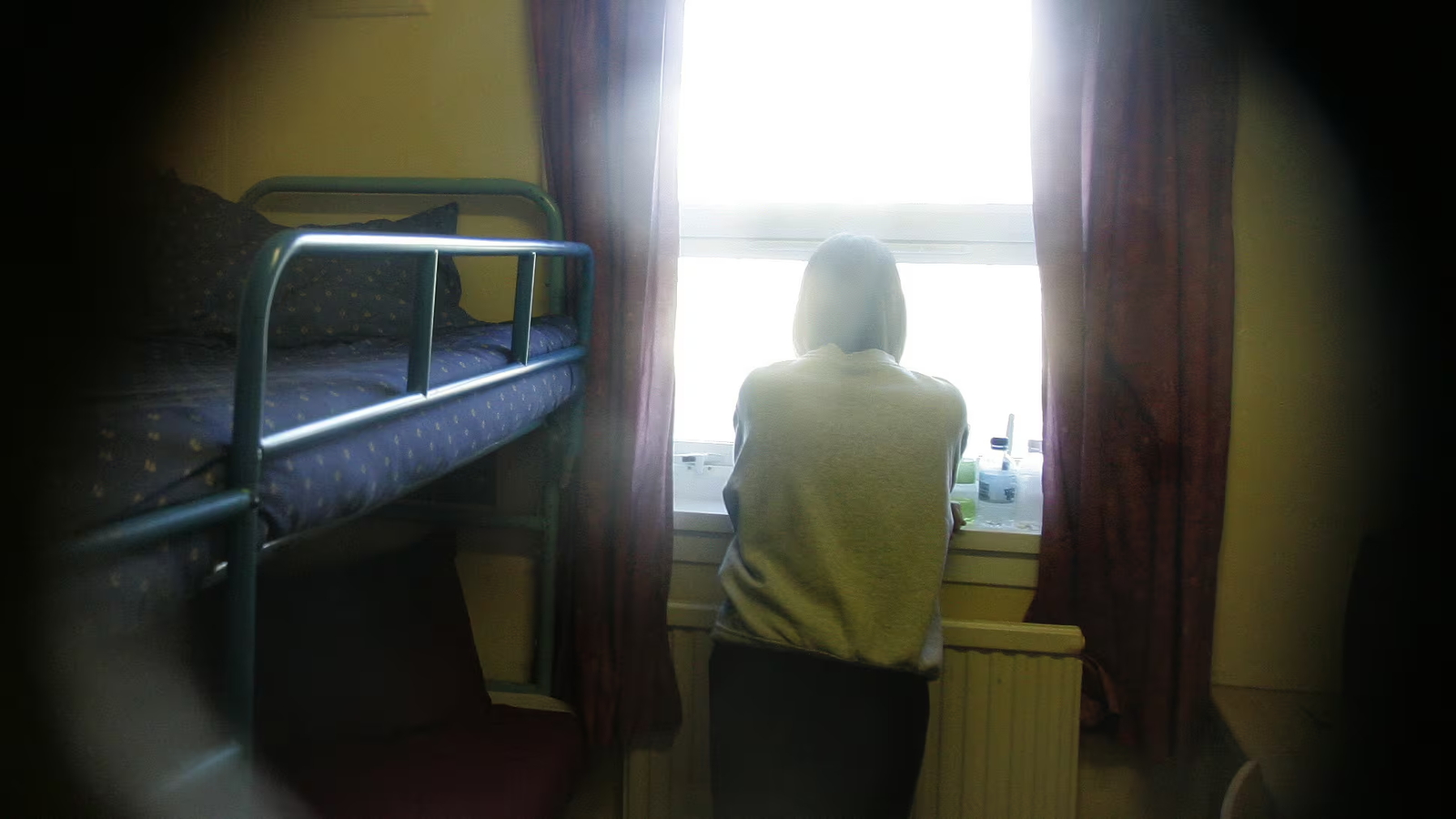
Women in prisons face severe hardships that go beyond the mere deprivation of freedom. Recent findings by Chief Inspector of Prisons Charlie Taylor have shed light on the distressing realities within female correctional facilities.
His report highlights the increasing levels of self-harm among female prisoners, driven by inadequate care, lack of mental health support, and absurd regulations that only add to their distress.
One such rule prevents women from washing their underwear in prison washing machines, an unnecessary restriction that reflects the broader neglect and mistreatment of female inmates.
Rising Self-Harm Among Women in Prisons
One of the most alarming findings from the report is the rising rate of self-harm among women in prisons. Statistics reveal a significant increase in self-harm cases, from 1,545 incidents per 1,000 prisoners in 2013 to a staggering 5,624 per 1,000 prisoners in 2023. This data reflects a growing crisis, indicating extreme levels of distress among incarcerated women.
Women’s prisons now have self-harm rates that are 8.5 times higher than those of male prisons. This raises serious concerns about the effectiveness of the prison system in addressing the mental health and well-being of female inmates.
Many women in prison have histories of trauma, domestic violence, and substance abuse, making them particularly vulnerable. However, rather than receiving the necessary care and support, they are often subjected to harsh and counterproductive rules that worsen their suffering.
Read : 81-Year-Old Japanese Woman Unwillingly Commits Crime to Stay in Prison
Charlie Taylor’s report also highlights the role of prison officers in this crisis. Many officers are inexperienced and lack adequate training to support vulnerable prisoners.
Read :Chinese National Tries to Kill Self in Bihar Jail, Cuts Private Parts with Glass
This creates a vicious cycle in which officers spend excessive time dealing with emergencies, leaving them unable to provide the necessary preventative care. Instead of addressing the root causes of distress, the system relies heavily on physical restraint and constant supervision, methods that are often overused and not always justified.
Absurd Prison Rules and Their Psychological Impact
One of the most shocking revelations in the report is the existence of senseless rules that serve no real purpose other than to increase discomfort and frustration among female inmates.
The restriction on washing underwear in prison washing machines is a particularly bizarre example. Preventing women from maintaining basic hygiene not only dehumanizes them but also adds unnecessary stress to their daily lives.
Hygiene and personal dignity are fundamental human rights, yet many women in prison are deprived of these necessities. Such rules contribute to feelings of helplessness and loss of control, both of which are known psychological triggers for self-harm.
Many incarcerated women have already experienced significant trauma before entering prison, and such degrading policies only exacerbate their mental health struggles.

Beyond hygiene-related restrictions, the report also highlights issues related to limited contact with family and loved ones. Many women are imprisoned far from home, making visits difficult. In some cases, one-third of female prisoners are housed over 50 miles away from their families, and some are even farther.
Additionally, some prisons offer only short visiting hours, sometimes as little as 60 minutes, and phone credit is not readily available during the first few days of incarceration. This lack of connection to the outside world only deepens the sense of isolation and hopelessness that many women feel.
Another issue is the lack of educational and rehabilitation opportunities for women in prison. The range of programs available to female inmates is significantly smaller than those offered in men’s prisons, despite the fact that women often have greater needs in terms of support, mental health care, and rehabilitation.
Without meaningful activities or access to proper counseling, many women are left with nothing but their distress, leading to an increased risk of self-harm.
Calls for Urgent Reform and Better Support Systems
In response to the report, several organizations and policymakers have called for immediate reforms to address the crisis in women’s prisons.
Justice Secretary Shabana Mahmood described the findings as “shocking” and a “wake-up call” for the prison system. She acknowledged that many female prisoners are victims of crime themselves and that over half of them are mothers.
Recognizing the need for a different approach, the government has launched a new Women’s Justice Board. The board, which first met on January 21, aims to reduce the number of women in prison and provide better support for those who must remain incarcerated.
The focus is on early intervention, particularly for pregnant women, young mothers, and mothers of young children. A full action plan outlining necessary improvements is expected to be released in March.
In addition to governmental initiatives, organizations like Women in Prison have emphasized the need for a shift in how female incarceration is handled. Nicola Drinkwater from the charity stated that prison environments are deeply traumatizing and that the justice system should invest in community-based alternatives that prevent women from being imprisoned in the first place.
She pointed out that many women end up in prison due to mental health struggles, poverty, or histories of abuse. Rather than criminalizing them further, society should focus on addressing the root causes of their offenses.

Mental health care is a critical aspect of prison reform. Dedicated psychological support, trauma-informed care, and access to counseling are essential in helping women cope with their circumstances. Training prison staff to recognize and respond to mental health issues effectively is also necessary to break the cycle of distress and self-harm.
Another crucial step is to eliminate dehumanizing rules and policies that add unnecessary suffering to prisoners’ lives. Allowing women to wash their underwear in prison washing machines may seem like a small change, but it represents a broader need to treat female inmates with dignity and respect.
Additionally, improving family contact policies, expanding rehabilitation programs, and ensuring that women have access to meaningful activities can significantly improve their well-being.
The findings of Charlie Taylor’s report reveal a prison system that is failing its female inmates in fundamental ways. The rising levels of self-harm, the absurd restrictions placed on prisoners, and the lack of adequate mental health care all point to a system in urgent need of reform. It is clear that the current approach is not working, and without immediate changes, the crisis in women’s prisons will only worsen.
While steps like the Women’s Justice Board offer hope for future improvements, real change will require sustained effort and commitment from both the government and society as a whole.
Addressing the root causes of women’s incarceration, providing proper mental health support, and eliminating degrading policies are essential to creating a more just and humane system.
Only by recognizing the humanity of female prisoners and treating them with dignity can we begin to break the cycle of trauma and harm that has plagued women’s prisons for far too long.