
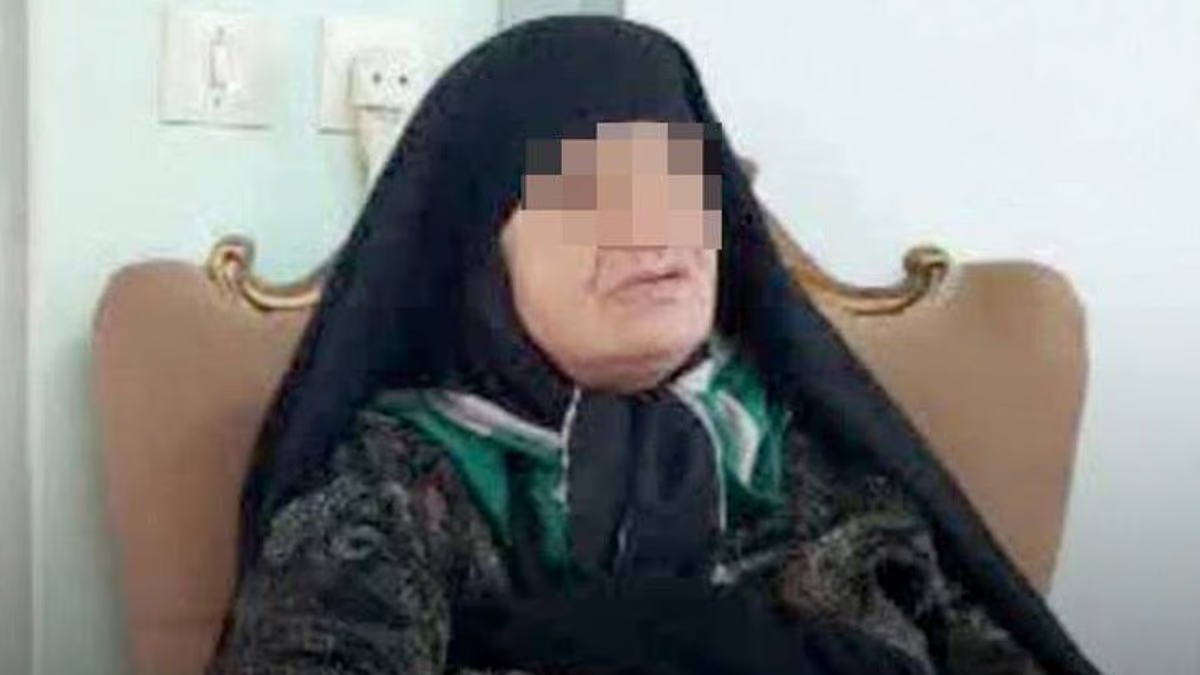
The case of Kulthum Akbari, dubbed Iran’s “Black Widow,” has sent shockwaves across the country for the sheer brutality and persistence of her crimes. Over 22 years, Akbari is believed to have poisoned 11 of her husbands, carefully orchestrating their deaths so they appeared natural.
At 56, she now faces execution in Iran for one of the most horrifying murder sprees in the nation’s history. Her chilling methods, financial motives, and the length of time she went undetected paint a disturbing portrait of a woman who turned marriage into a trap of death.
Motive and Modus Operandi of the Black Widow
Kulthum Akbari’s crimes were defined by her deliberate selection of elderly men as her victims. She would marry them, settle into their lives, and then begin administering slow, poisonous doses of substances including sedatives, blood pressure pills, diabetes medication, and industrial alcohol. These poisons were given in such controlled amounts that the victims’ health gradually deteriorated, appearing to mirror natural illnesses.
Heart problems, complications from diabetes, or general frailty associated with age masked the fact that the men were being murdered. The motive behind these crimes was financial gain. Each husband brought property, dowries, or wealth that Kulthum Akbari quickly moved into her daughter’s name.
Over the years, this accumulation of assets made her daughter wealthy, while Akbari managed to disguise her repeated killings under the façade of bad luck and widowhood. Her manipulation of legal systems, family trust, and medical assumptions made her particularly dangerous, because she weaponized everyday vulnerabilities to further her crimes.
Read : Dubai Princess Launches ‘Divorce’ Perfume After Publicly Divorcing Husband
Her pattern of behavior and her ability to evade suspicion earned her the title of “Black Widow,” a chilling comparison to the spider that kills its mate. According to authorities, Akbari admitted to murdering 11 husbands, though some reports suggest the number could be as high as 15. The uncertainty adds an even darker layer to the story, as the true extent of her crimes may never be fully known.
Breakthrough in the Case: How She Was Finally Caught
For over two decades, Kulthum Akbari’s murders went unnoticed. Each death appeared medically plausible, given the age of her husbands. Families and authorities accepted the outcomes as natural, never suspecting foul play. The breakthrough came in 2023, following the death of her latest husband, 82-year-old Gholamreza Babaei. His death initially appeared to be from natural causes, but his son began to question the circumstances.
Read : Japanese Serial Killer Chisako Kakehi Known as ‘Black Widow’ Dies
The turning point came when Babaei’s son learned from a friend that his father too had been married to a woman named Kulthum Akbari years earlier, and she had attempted to poison him in 2020. That man survived the attempt, but the connection revealed a disturbing pattern. Alarmed, Babaei’s family contacted the police, and an investigation was launched.
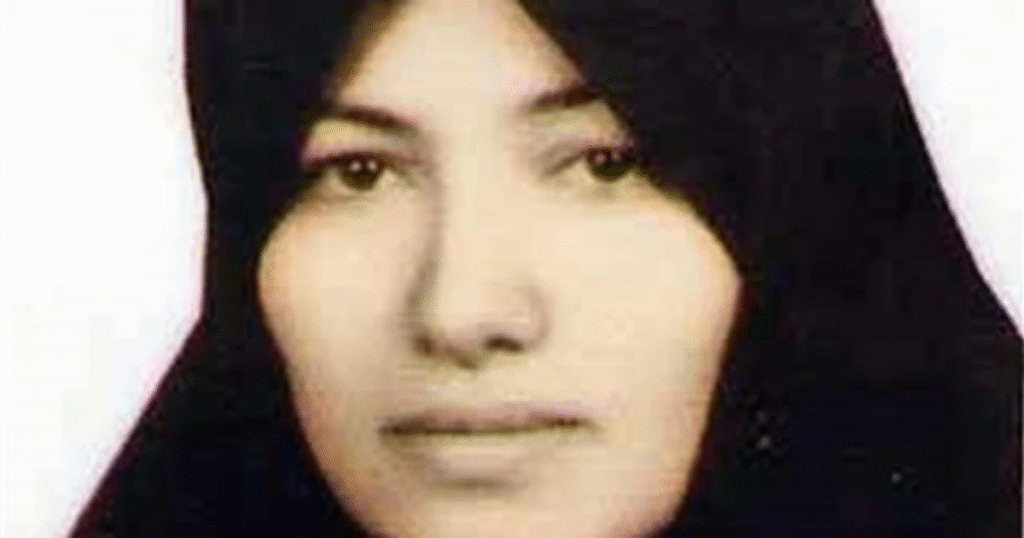
Authorities quickly pieced together the string of marriages and deaths tied to Akbari. When confronted, she confessed to the murders. Her confession validated the suspicions of Babaei’s family and confirmed that the deaths spanning 22 years were not coincidences but the result of calculated poisonings. Investigators now believe that the number of her victims could be higher than 11, though definitive evidence has only been established for those cases.
The unraveling of the Black Widow’s crimes highlights not only her manipulative skills but also the extraordinary coincidence that brought her down. Without Babaei’s son’s suspicion and the link to another survivor, Akbari might have continued her cycle of marriage and murder undetected.
Trial and Awaiting Execution
Akbari’s case has now reached Iran’s Revolutionary Court, where she faces trial for multiple counts of murder. Prosecutors are seeking the death penalty, reflecting the outrage and demands for justice from the victims’ families. For them, the systematic and repeated killings represent not just personal tragedies but also a betrayal of trust and exploitation of vulnerable men.
Her defense lawyers, however, argue that Akbari suffers from mental health issues and have requested a psychiatric evaluation. They claim her actions may not have been fully under her control.
This plea has been met with strong resistance from the victims’ families, who insist that the careful planning, repeated execution of poisonings, and financial motives clearly demonstrate rational intent rather than mental illness. To them, labeling her crimes as the result of psychological instability would minimize the suffering she inflicted and the meticulous nature of her actions.
The case has sparked broader discussions in Iran about justice, punishment, and the treatment of serial killers. While executions remain a legal punishment in the country, debates persist over whether mental health defenses should hold weight in cases involving such systematic and deliberate acts. For many, Akbari’s crimes go beyond the scope of personal disorder and instead represent cold-blooded calculation for profit.
As she awaits her final judgment, Kulthum Akbari’s story stands as one of Iran’s most notorious murder cases. The Black Widow not only shocked the nation but also exposed how deeply greed and manipulation can corrode trust within families and marriages. Her trial and potential execution mark the final chapter in a saga of deception, death, and betrayal that spanned nearly a quarter of a century.