
The financial distress unfolding around Bloom Hotels 6060 LLC and its Miami Beach property, the Sixty Sixty Resort, reflects a convergence of economic pressure, market competition, and structural shifts within the hospitality sector. Once positioned within one of the most desirable tourism markets in the United States, the 82-room property now stands closed and headed toward liquidation following a Chapter 11 bankruptcy filing in the Southern District of Florida.
The case highlights how even well-located hotels in globally recognized destinations can become vulnerable when debt burdens, operational challenges, and changing travel dynamics intersect. While Miami continues to draw strong visitor numbers overall, the situation surrounding the Sixty Sixty Resort demonstrates that market demand alone cannot offset long-term financial strain, particularly for properties lacking the scale, brand support, or capital reserves available to major hotel chains.
Bloom Hotels’ filing reveals that the company holds between $10 million and $50 million in both assets and liabilities, spread across fewer than 50 creditors. The balance sheet reflects the strain of accumulated debt and financial obligations that the company was unable to resolve through refinancing efforts. Compounding the problem was a foreclosure judgment exceeding $23 million tied to unpaid mortgage payments, interest, and fees.
With the property already shuttered at the start of the year and municipal code violations noted in bankruptcy documentation, the case has moved beyond restructuring hopes toward liquidation planning. The situation is not an isolated incident but part of a broader pattern of financial stress affecting independent and mid-scale hospitality operators navigating a competitive and evolving travel landscape.
Financial Pressures and the Collapse of Refinancing Options
At the center of Bloom Hotels’ bankruptcy is a financial structure that became increasingly unsustainable as economic conditions shifted. The company’s difficulties were intensified by a significant foreclosure judgment issued against an affiliated investment entity in late 2025. That ruling effectively placed the Sixty Sixty Resort on a countdown toward financial resolution, forcing management to pursue refinancing as a last attempt to stabilize operations.
When the bankruptcy court determined that those refinancing options had been exhausted, the path toward restructuring narrowed considerably, leaving liquidation as the most likely outcome. The inability to refinance reflects broader credit tightening within commercial real estate lending, particularly for hospitality assets. Lenders have grown more cautious following years of volatility triggered by pandemic-era shutdowns, uneven travel recovery, and rising interest rates.
For smaller operators, refinancing often depends on stable occupancy levels, predictable cash flow, and property condition compliance. The bankruptcy filing’s reference to municipal code violations suggests that regulatory compliance issues may have further complicated financing prospects. Even minor structural or safety deficiencies can undermine a property’s valuation and weaken lender confidence, especially when combined with existing debt obligations.
Bloom Hotels 6060, LLC files for chapter 11 protection in Florida
— RK | Consultants (@_RKConsultants) February 17, 2026
🚨 BANKRUPTCY FILING ALERT 🚨
BLOOM HOTELS 6060, LLC
📊 Assets: $10M-$50M | Liabilities: $10M-$50M | Creditors: 1-49 | Industry: Hotel Ownership and Management | District: Southern District of Florida
Chapter 11…
Operational closure further accelerated the property’s financial deterioration. Once a hotel ceases to generate revenue, ongoing expenses such as maintenance, taxes, and administrative costs continue to accumulate without offsetting income. This creates a compounding deficit that reduces the viability of restructuring. The Sixty Sixty Resort’s closure at the start of the year effectively signaled that the financial recovery window had closed. Without active operations, the hotel transitioned from a functioning hospitality asset into a distressed real estate holding awaiting resolution through the bankruptcy process.
The legal framework of Chapter 11 allows companies to reorganize debts while continuing operations, but it does not guarantee survival. In Bloom Hotels’ case, the filing primarily serves as a structured mechanism for resolving creditor claims, managing asset disposition, and determining the future of the property. The process also reflects the limited options available once lenders and courts conclude that long-term financial recovery is improbable.
A Broader Wave of Hotel Bankruptcies Across the Hospitality Sector
Bloom Hotels’ filing is part of a wider pattern of financial restructuring and insolvency affecting hotels in multiple markets. Over the past year, several high-profile properties and hospitality groups have entered bankruptcy proceedings or liquidation. These cases range from independent urban hotels to large luxury developments and even international chains with hundreds of properties.
The breadth of these filings illustrates that financial stress is not confined to a single segment of the industry but extends across price categories, geographic regions, and ownership models. One of the defining characteristics of the current wave is the diversity of contributing factors. Some properties have struggled with the lingering financial effects of pandemic-era revenue losses, while others face rising operational costs driven by inflation, labor shortages, and supply chain disruptions.
Insurance premiums, maintenance expenses, and property taxes have also increased in many jurisdictions, adding further strain to already tight margins. In competitive markets such as Miami, where new developments continuously reshape the hospitality landscape, older or smaller properties may find it difficult to maintain occupancy levels sufficient to cover expanding costs.
Read : BJ’s Restaurant & Brewhouse Files Chapter 11 Bankruptcy
Shifts in international travel patterns have also influenced hotel performance. Changes in government policies, currency fluctuations, and geopolitical tensions can alter travel flows from key markets. When visitor numbers from major source countries decline, hotels that rely heavily on those segments experience immediate revenue impact. At the same time, increased competition from short-term rental platforms and alternative lodging models has diversified accommodation choices, redistributing demand across a broader range of options.
The wave of bankruptcies also reflects structural differences between independent operators and major hotel brands. Large chains typically benefit from centralized reservation systems, loyalty programs, marketing infrastructure, and access to institutional capital. These advantages can help stabilize revenue streams and provide financial flexibility during downturns. Independent properties, by contrast, often depend on localized management and more limited financing networks. When economic conditions shift rapidly, smaller operators may lack the resources needed to absorb sustained losses or fund major renovations required to remain competitive.
Within Miami itself, multiple hospitality properties are confronting financial pressure simultaneously. Rising development costs, fluctuating occupancy rates, and heavy debt loads have created an environment in which even historically significant or newly renovated properties face uncertainty. The presence of multiple distressed assets in a single market can also influence valuations, as potential buyers anticipate discounted acquisition opportunities and delay purchases, further prolonging financial instability across the sector.
Implications for the Sixty Sixty Resort and Miami’s Hospitality Landscape
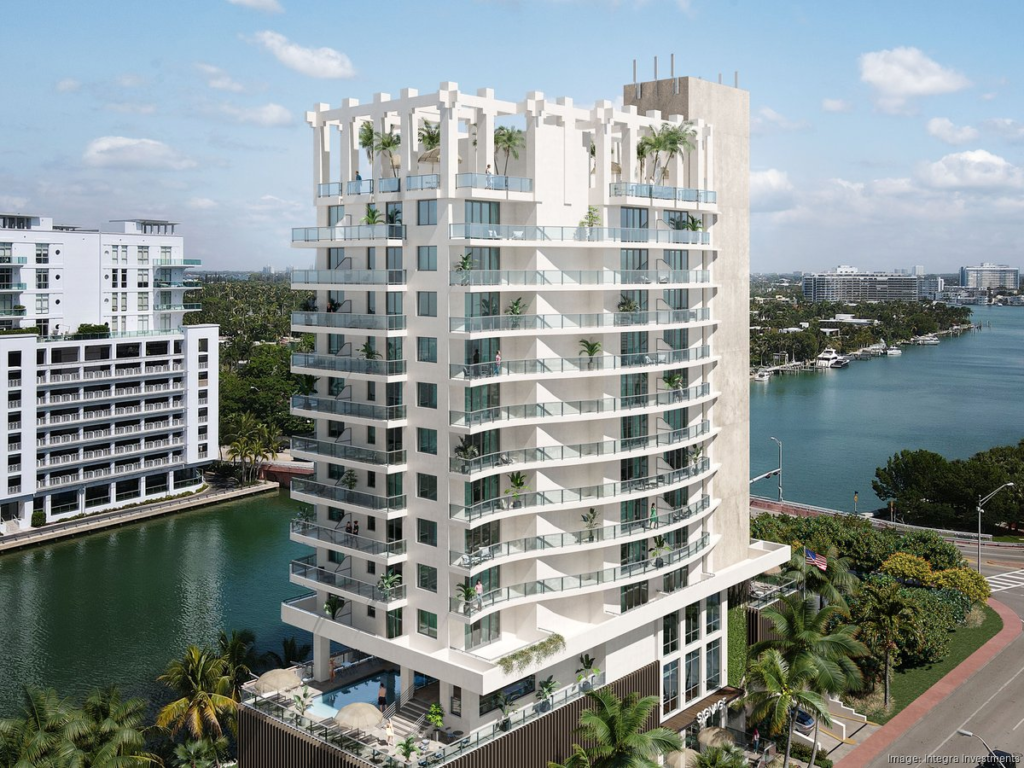
The bankruptcy of Bloom Hotels raises important questions about the future of the Sixty Sixty Resort property and its role within the Miami Beach hospitality ecosystem. With the building currently closed and preparing for liquidation, potential outcomes include sale to a new operator, conversion to residential or mixed-use development, or redevelopment into an entirely different commercial function. Each possibility reflects broader trends in coastal real estate, where high land values often encourage adaptive reuse when hospitality operations become financially unviable.
Conversion of hotels into residential units or rental apartments has become increasingly common in urban markets with strong housing demand. Such transformations can offer investors more stable long-term revenue compared with hotel operations, which are subject to seasonal fluctuations and economic cycles. For Miami Beach, where real estate values remain among the highest in the region, redevelopment decisions will likely be influenced by zoning regulations, market demand, and investor appetite for alternative uses.
The case also highlights the ongoing evolution of Miami’s hospitality market. The city continues to attract visitors from across the globe, yet the structure of accommodation supply is changing. New luxury developments, branded residences, and mixed-use complexes are reshaping the skyline and altering competitive dynamics. Older mid-scale properties must either modernize or reposition themselves to remain relevant. When capital investment is unavailable or insufficient, financial distress becomes more likely.
For creditors and investors, the liquidation process will determine how remaining value is distributed and whether the property can be repositioned successfully. For the local economy, the closure of a hotel represents both loss and opportunity. Employment associated with the property is disrupted, but redevelopment can generate new economic activity depending on the chosen use. Municipal authorities may also gain leverage to address building code issues or enforce redevelopment standards during ownership transitions.
The Sixty Sixty Resort’s trajectory reflects the complex interplay between real estate economics, tourism demand, regulatory compliance, and capital availability. Its fate will depend on how effectively the bankruptcy process aligns creditor interests with market realities and development potential. In a city defined by rapid transformation and continuous investment, the property’s future will likely mirror broader trends shaping Miami Beach’s evolving urban and hospitality environment.