
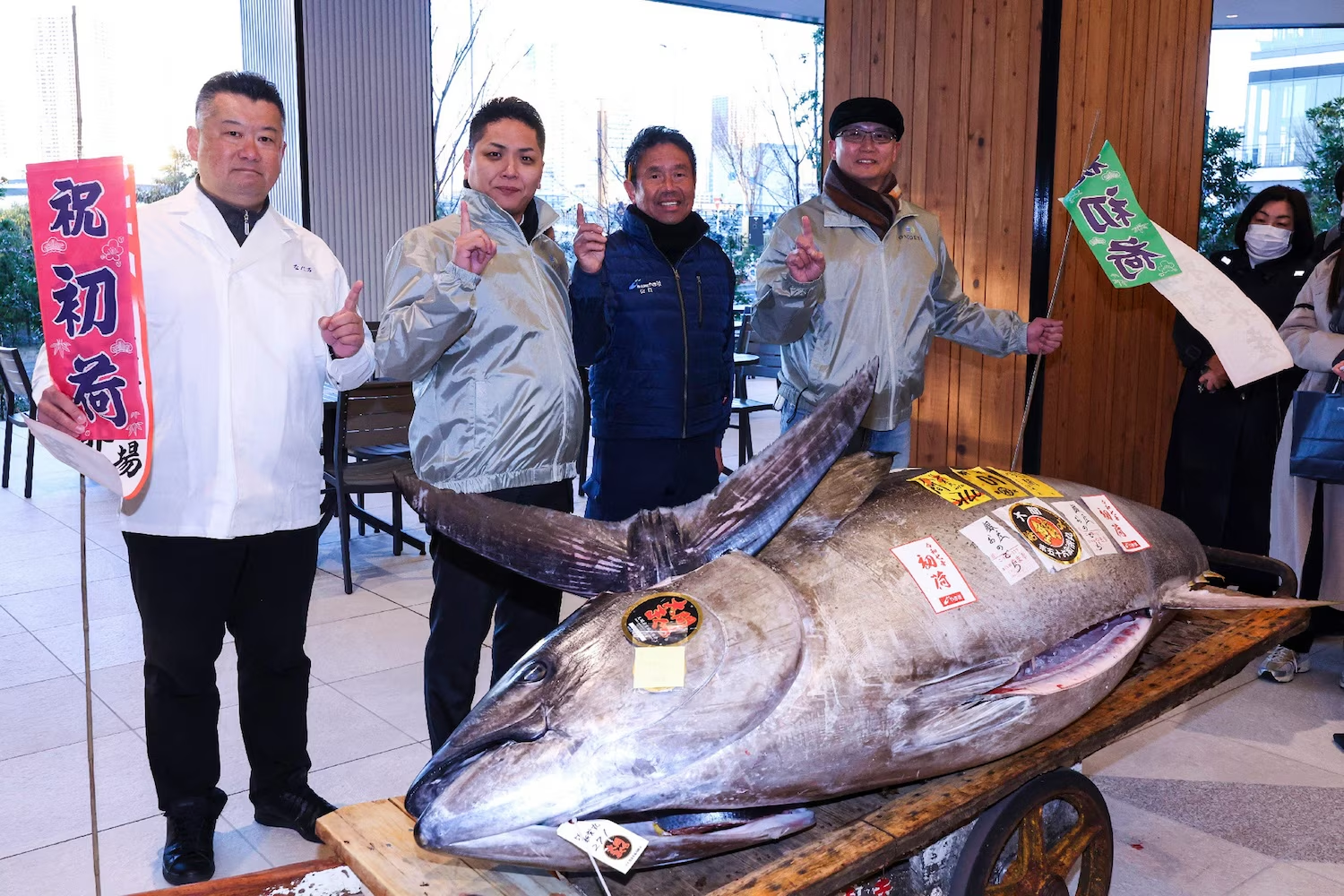
The Toyosu Fish Market in Tokyo recently witnessed a historic auction, as a colossal bluefin tuna fetched an astounding price of ¥139.8 million (approximately $1.3 million). This marks the second-highest price ever recorded for a tuna at the Tokyo market, following a previous sale in 2019 that set the world record.
The tuna, weighing an impressive 608 pounds (276 kilograms), attracted immense attention and highlighted the continuing trend of astronomical prices for premium bluefin tuna.
Despite the concerns surrounding the sustainability of bluefin tuna populations, these auctions remain a key feature of Japan’s seafood industry, with bidders vying for the prized fish that serves as a symbol of both tradition and luxury.
Toyosu Fish Market: The Epicenter of Tokyo’s Seafood Auctions
Toyosu Fish Market, located in the Koto Ward of Tokyo, serves as the heart of Japan’s seafood industry. Opened in 2018 to replace the iconic Tsukiji Market, Toyosu is now one of the largest and most advanced fish markets in the world.
The market is home to multiple wholesale dealers, restaurant suppliers, and fishmongers, all of whom play a crucial role in distributing the freshest seafood across Japan and internationally.
Toyosu has become particularly famous for its tuna auctions, which have been held at the market since its opening. These auctions attract attention not only from local buyers but also from international investors and high-end sushi restaurants.
Read : Judy Garland’s Stolen Slippers Sell for $28 Million at Auction
The first auction of the year, held on January 5, 2025, garnered global media coverage when the bluefin tuna was sold for a staggering $1.3 million, underscoring the market’s continued importance in the global seafood trade.
The Price of Luxury: Why Bluefin Tuna Commands Such High Values
Bluefin tuna is a prized delicacy, especially in sushi and sashimi, where its rich, fatty meat is highly sought after for its taste, texture, and appearance.
This particular species of tuna is known for its large size, with some individuals reaching hundreds of kilograms. Due to the tuna’s rarity, the increasing demand for sushi, and the limited availability of sustainable fishing practices, bluefin tuna prices have been soaring in recent years.
A bluefin tuna was sold for 207 million yen ($1.3 million) at the first tuna auction of 2025 at Tokyo's Toyosu fish market. Sushi restaurant chains often compete to win the first auction so they can receive global/domestic media attention.pic.twitter.com/g2iQYn4vSw
— Jeffrey J. Hall 🇯🇵🇺🇸 (@mrjeffu) January 5, 2025
The tuna auctioned at Toyosu Fish Market was a prime example of this. Weighing 276 kilograms (608 pounds), it represented the pinnacle of quality and size that Japanese buyers are eager to purchase for top-tier restaurants. Its hefty price tag reflects not just its weight but the exceptional quality of the meat, which is expected to be served at high-end sushi restaurants in Tokyo and beyond.
This price point is part of an ongoing trend where tuna auctions become a spectacle of luxury. High-profile buyers, including renowned restaurant chains and individuals with deep pockets, bid aggressively for these fish. The Onodera Group, a Michelin-starred restaurant operator, was one of the prominent buyers at this year’s auction.
The company is known for its high standards in sushi preparation, which relies on the finest and most expensive ingredients. The tuna’s journey from auction block to luxury dining table represents the continued allure of bluefin tuna in Japan’s culinary scene.
Bluefin Tuna Auctions
While these auctions are celebrated as a symbol of Japan’s rich culinary heritage and commitment to high-quality seafood, they also raise significant concerns about the sustainability of bluefin tuna populations. Bluefin tuna are classified as endangered due to overfishing, with their numbers dwindling as demand increases worldwide.
Despite international efforts to regulate tuna fishing and ensure sustainable practices, the sheer demand for bluefin tuna remains a significant challenge for conservationists.
The Japan Fisheries Agency has implemented measures such as limiting catch quotas, particularly for the Pacific bluefin tuna, to help protect the species.
However, critics argue that these regulations are often insufficient, as illegal and unreported fishing continues to put pressure on tuna stocks. In light of these concerns, some are calling for a reduction in the consumption of bluefin tuna to help preserve the species for future generations.

The issue of sustainability is particularly relevant at auctions like the one at Toyosu, where record prices for bluefin tuna attract attention and raise questions about the environmental impact of such luxury items. While efforts to conserve bluefin tuna continue, there is an ongoing debate about the balance between tradition, luxury, and environmental responsibility.
Despite these concerns, the auctioning of bluefin tuna remains an important cultural and economic event in Japan, reflecting the country’s deep connection to seafood and culinary excellence.
The January 2025 auction at Toyosu illustrates how the demand for premium bluefin tuna continues to dominate the market, even in the face of sustainability challenges. As long as there is a market for this rare delicacy, the auctions are likely to persist, even as conservationists call for more sustainable practices.
The Future of Bluefin Tuna Auctions: Will They Continue to Thrive?
As Japan’s bluefin tuna auctions continue to attract immense interest, one question looms: will these auctions remain a key feature of the seafood industry, or will the pressures of sustainability eventually curtail their appeal? With bluefin tuna populations under threat, the future of these high-priced sales may depend on finding ways to balance the economic and cultural significance of these events with the need to protect the species.
In recent years, there has been growing interest in farm-raised bluefin tuna, which could provide a more sustainable alternative to wild-caught fish. Some companies have invested in tuna farming, attempting to create a more controlled environment in which tuna can be bred and harvested sustainably.
While farm-raised tuna has yet to match the quality of wild-caught fish, technological advancements in aquaculture may hold the key to preserving bluefin tuna for future generations while maintaining the tradition of the auctions.
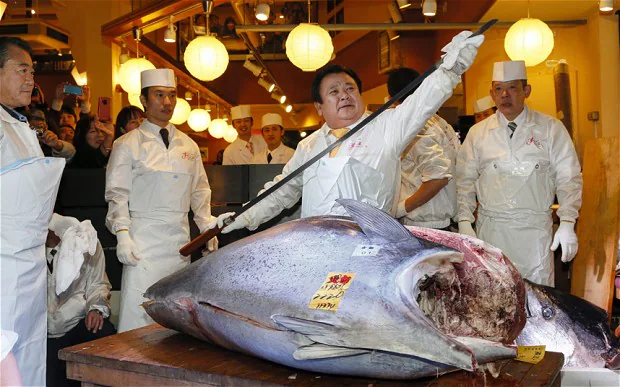
The January 2025 auction, which saw a price of $1.3 million for a single tuna, demonstrates the ongoing demand for premium bluefin tuna. As long as the market for this luxury item exists, the auctions will continue to be a spectacle.
However, if sustainability efforts succeed, future auctions may see a shift in how bluefin tuna is produced and sold. Conservation efforts will be crucial to ensuring that bluefin tuna remains a symbol of culinary excellence rather than a symbol of environmental harm.
The sale of a 608-pound bluefin tuna for $1.3 million at the Toyosu Fish Market highlights both the allure and challenges of this prized delicacy. While the auction is a testament to Japan’s deep connection to seafood and culinary tradition, it also underscores the ongoing debate about sustainability in the face of rising demand.
The future of bluefin tuna auctions will likely depend on balancing the cultural significance of these events with the urgent need to protect tuna populations from further decline.