
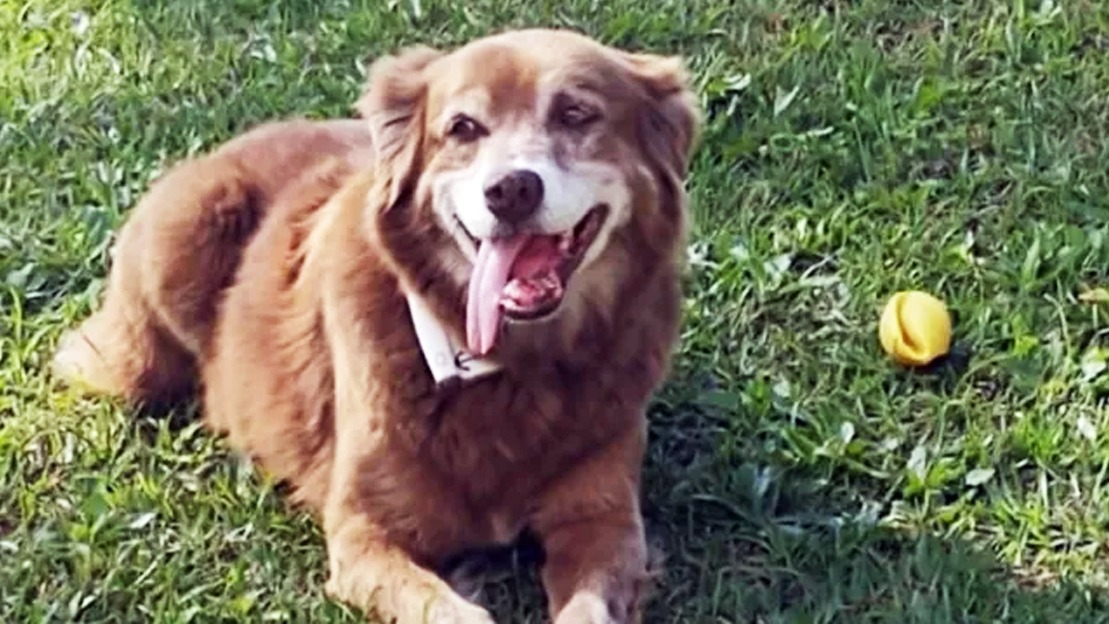
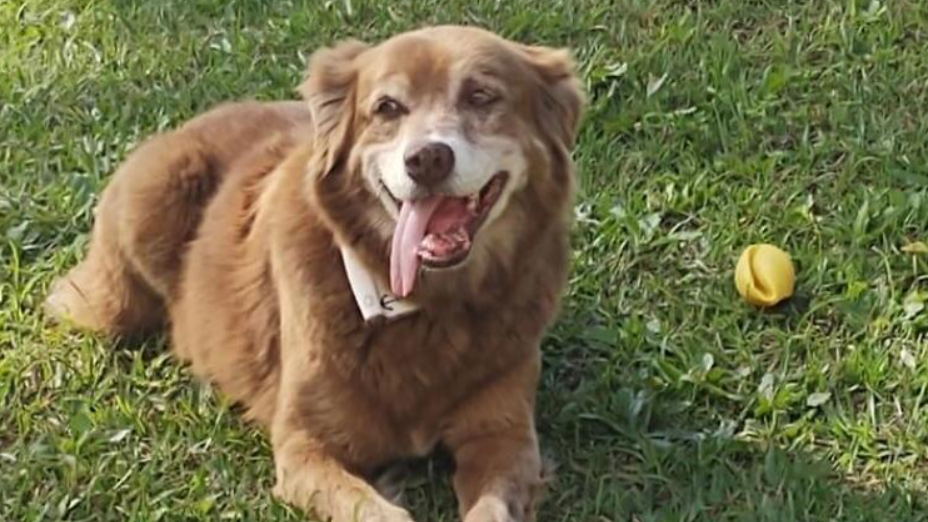
In a rare convergence of public emotion, legislative action, and the enduring power of loyalty, the Brazilian state of São Paulo has enacted a law inspired by the life of a dog who became a symbol of devotion. Known widely as Bob Coveiro, or “Bob the Gravedigger,” the brown, long-haired mixed-breed dog captured national attention after remaining beside his owner’s grave for a decade following her death.
His quiet vigil, sustained over years and witnessed by mourners, cemetery staff, and visitors alike, transformed him from an ordinary stray into a widely recognised emblem of companionship that transcends death. Now, years after his passing, Bob’s story has shaped public policy, giving his name to a new law that allows pets to be buried alongside their human guardians in family graves and plots.
The legislation, signed by the governor of Brazil’s most populous state, formally recognises what many people have long believed but legal systems have often overlooked: the emotional bonds between humans and their companion animals carry deep personal meaning that does not end with death.
By allowing dogs and cats to be interred alongside their owners in designated family plots, the law establishes a new framework for memorial practices while acknowledging evolving cultural attitudes about the place of animals in family life. The measure is already widely referred to as the Bob Coveiro Law, a tribute not simply to a dog’s memory, but to the broader social recognition of loyalty, attachment, and grief that his story brought into public view.
Bob’s life story forms the emotional foundation of the legislation. His owner died in 2011 and was buried in a cemetery in the city of Taboão da Serra, located near the state capital. After her funeral, the dog reportedly refused to leave the gravesite. Family members attempted to take him away multiple times, but he returned repeatedly, navigating back to the cemetery no matter where he was taken.
Over time, his persistent presence became impossible to ignore. Cemetery staff eventually adopted him informally, building him a kennel on the grounds and providing regular care that included feeding, bathing, and vaccinations. Though no longer technically homeless, Bob remained spiritually anchored to the place where his owner had been laid to rest. For many visitors, Bob’s presence changed the atmosphere of the cemetery itself. He was often seen accompanying funeral processions, moving quietly among mourners. One of his most widely remembered habits was carrying a small ball in his mouth, approaching visitors as if inviting them to play.
To those grieving, the gesture was interpreted as an offering of comfort—a small, unexpected moment of warmth amid loss. Over the years, stories about him spread beyond the local community, and he gained recognition across Brazil as a symbol of steadfast loyalty. The loyalty that defined Bob’s life eventually shaped the circumstances of his death as well. In 2021, after leaving the cemetery grounds, he was struck by a motorcycle and died. The public reaction was immediate and intense. Many who had followed his story viewed him not simply as a stray animal but as a beloved local figure.
#Gravitas | A loyal pet dog named 'Bob Coveiro' is the inspiration for a new law in Brazil's Sao Paulo state, which permits pets to be buried beside their owners@ShreyaOpines tells you more about this pic.twitter.com/O0UTHMbbN1
— WION (@WIONews) February 13, 2026
Because there was no legal provision at the time permitting pets to be buried alongside their owners, local authorities faced a dilemma. In response to public sentiment, the city council made an exception, allowing Bob to be buried beside the person whose grave he had guarded for ten years. The decision was widely seen as a gesture of respect for an extraordinary bond that had already reshaped public perception of what loyalty could mean.
How Bob’s devotion captured a nation’s attention
The story of Bob Coveiro resonated across Brazil because it combined quiet persistence with visible emotional symbolism. Unlike dramatic or sensational accounts that often dominate headlines, Bob’s presence was defined by stillness, routine, and continuity. Each day he remained near the grave, creating a living memorial that visitors could witness directly. His behaviour required no explanation; the meaning was apparent to anyone who observed him. This simplicity contributed to the powerful emotional response his story generated.
Over time, Bob became more than a local curiosity. Media coverage expanded his reach, and photographs and videos circulated widely. For many observers, he embodied the idea that animals experience attachment in ways that mirror human emotion. His actions suggested not only recognition but remembrance, reinforcing the belief that companionship leaves lasting imprints across species boundaries. The fact that he remained for an entire decade intensified the sense of extraordinary devotion, transforming an individual story into a cultural symbol.
Cemetery workers played an essential role in shaping how the public understood Bob’s presence. By caring for him and allowing him to remain on the grounds, they preserved the continuity of his vigil. Their decision to support him rather than remove him reflected a broader sensitivity to the meaning his behaviour held for visitors. As mourners encountered him during funerals or quiet visits, his presence became woven into the emotional landscape of the cemetery itself.
After his death, efforts to commemorate him reinforced his symbolic significance. An animal welfare organisation launched a crowdfunding campaign to install a statue in his honour at the cemetery. The monument, unveiled in 2022, serves both as a tribute and as a physical marker of collective memory. Its plaque expresses gratitude for what supporters describe as lessons in love and loyalty, emphasising how small gestures of companionship can offer comfort in moments of grief. The statue ensures that Bob’s presence remains part of the cemetery environment even after his passing, continuing the role he played in life.
Legislating the emotional bond between humans and pets
The creation of the Bob Coveiro Law represents a formal recognition of the emotional realities that his story brought into public discussion. For decades, burial practices in many regions have treated companion animals separately from human family members, often requiring cremation or other forms of disposal that do not allow shared resting places. The new law alters that framework by authorising dogs and cats to be buried in graves or family plots whose rights belong to the owner’s family, provided cemetery regulations permit it.
Supporters of the legislation emphasise that the measure addresses both emotional and practical concerns. Many families regard their pets as integral members of the household, and the inability to share burial spaces has long been a source of distress for those who wish to preserve that sense of unity after death. By acknowledging these relationships, the law aligns public policy with changing social attitudes toward animals, particularly in urban environments where companion animals often occupy roles once reserved exclusively for human relatives.
Economic factors also played a role in shaping the legislation. Before the new measure, cremation was often the primary legally accepted option for pet remains, and the associated costs could be prohibitive for some families. In cases where cremation was unaffordable, improper disposal sometimes occurred, creating both emotional and public health concerns. By offering burial alongside family members as a regulated alternative, the law provides what supporters describe as a dignified and accessible option.
The law’s passage reflects a broader pattern of evolving legal frameworks across Brazil. Other states have already authorised similar practices, and a federal proposal addressing the issue has been under consideration for several years. The spread of such measures suggests a growing willingness among policymakers to adapt regulations in response to shifting cultural understandings of family and companionship.
Changing traditions and debates over sacred spaces
Despite growing acceptance, the idea of burying pets alongside humans has not been universally embraced. Discussions surrounding the practice often involve questions about tradition, religious interpretation, and the symbolic meaning of cemeteries. For some critics, burial grounds represent sacred spaces reserved exclusively for human remains, and altering that distinction raises concerns about cultural continuity and respect for established customs.
Debates in various municipalities have reflected these tensions. In some cases, local officials and community members have expressed reservations about whether shared burial arrangements might alter the character or perceived sanctity of cemeteries. These objections often centre on the belief that burial practices carry symbolic significance beyond individual preference, representing shared cultural values that should remain unchanged.
Yet even in places where opposition has been strong, legislative outcomes have often favoured accommodation rather than prohibition. Supporters argue that expanding burial options does not diminish the meaning of cemeteries but rather reflects the evolving nature of family structures and emotional bonds. They emphasise that regulations can preserve order and respect while still allowing families to honour relationships that hold deep personal significance.
The story of Bob Coveiro illustrates how individual narratives can influence broader debates. His vigil did not emerge from political advocacy or social campaigning, yet it reshaped public conversation by presenting a tangible example of enduring attachment. Observers who might otherwise have approached the issue abstractly encountered a living symbol that challenged conventional assumptions. In this way, the law named after him represents not only a policy change but a response to a cultural shift made visible through lived experience.
As the Bob Coveiro Law takes effect, it formalises a practice that many families had long wished to see recognised. Its significance extends beyond administrative regulation, marking a moment when public policy acknowledged the emotional realities of companionship across species. The dog who remained beside a grave for ten years has become part of legal history, his memory embedded not only in a statue and local stories but in the structure of burial practices for an entire state.