

The recent federal jury verdict awarding $35.85 million to the family of United Nations worker Shikha Garg marks a significant moment in the long legal aftermath of the 2019 Ethiopian Airlines tragedy. More than six years after the Boeing 737 MAX crashed shortly after takeoff, killing all 157 people on board, the ruling underscores continuing questions about aviation safety, corporate responsibility, and the enduring impact of one of the deadliest air disasters of the decade.
The decision, reached in a Chicago federal court, stands apart from the many pre-trial settlements that have already resolved the majority of claims arising from the Ethiopian Airlines and Lion Air crashes. For Garg’s family, the award reflects both the individual loss they suffered and a broader acknowledgment of the failures that contributed to the disaster.
Background of the 2019 Crash and Its Global Impact
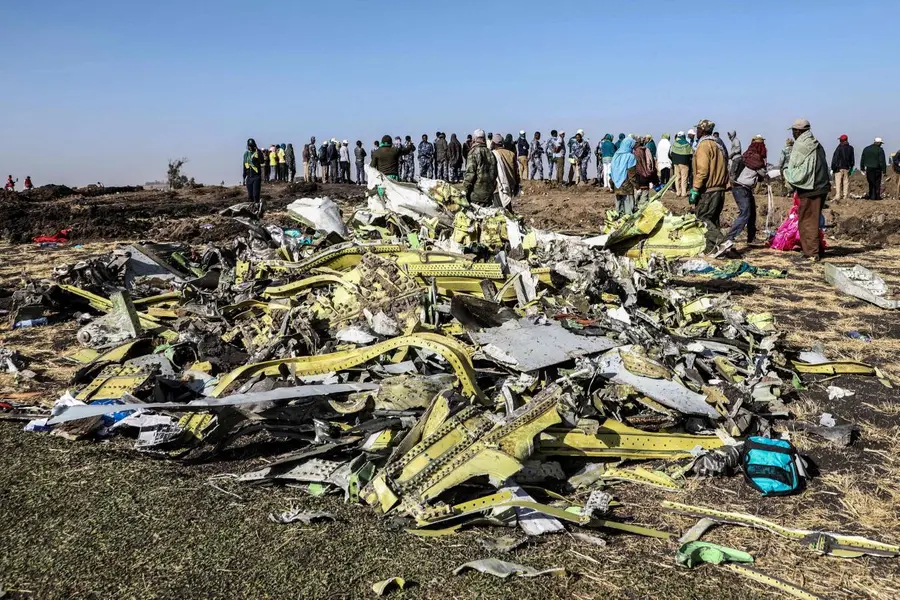
The Ethiopian Airlines Flight 302 crash occurred on March 10, 2019, only minutes after departing from Addis Ababa en route to Nairobi. Among the 157 people who lost their lives were 22 United Nations staff members traveling for various official duties. Shikha Garg, a 32-year-old environmental expert associated with India’s Ministry of Environment, Forest and Climate Change, was en route to a United Nations environmental assembly in Nairobi.
Her work focused on sustainable development and environmental conservation, and she was widely regarded as a rising professional in the international policy community. The crash took place just five months after the Lion Air Flight 610 disaster, also involving a Boeing 737 MAX aircraft, which killed 189 passengers and crew in Indonesia.
The two accidents, occurring under strikingly similar circumstances, led to worldwide scrutiny of the aircraft’s software systems, specifically the Maneuvering Characteristics Augmentation System (MCAS). Investigators found that erroneous sensor data had triggered MCAS, causing both aircraft to enter uncontrollable dives. The resulting global grounding of the 737 MAX fleet marked one of the most extensive aviation interventions in recent history.
Beyond technical failures, the crashes raised questions about regulatory oversight, Boeing’s internal safety culture, and the decision-making processes behind the aircraft’s design and certification. These concerns shaped subsequent legal actions, including the lawsuits filed by families of the victims. While Boeing admitted to shortcomings in its communication about MCAS and took responsibility through settlements and safety reforms, many families sought formal trials to present evidence publicly and establish accountability beyond confidential agreements.
Read : Donald Trump Picks Boeing to Build US Air Force’s Most Sophisticated Fighter Jet F-47
Garg’s family was among those who chose to pursue their case in court. Their attorneys argued that Boeing had not only produced a defectively designed aircraft but had also failed to warn passengers and airlines about safety concerns linked to the model.
Read : Abandoned Boeing 737 Transformed Into Luxurious Villa on a Cliffside in Bali
These claims were part of an effort to bring forward information that many families believed had not yet received sufficient scrutiny. The case did not require the jury to determine whether Boeing was liable for the crash—that point had already been established through previous legal and regulatory findings. Instead, the focus centered on how to fairly compensate Garg’s family for the profound personal and economic losses caused by her death.
The Jury Verdict and Its Significance for Accountability
The federal jury reached its decision on November 12 after only two hours of deliberation, ultimately awarding $35.85 million to the family. The amount includes the full verdict sum plus 26% interest, as approved by the court. According to statements from the family’s legal team, the verdict serves as an important acknowledgment of Boeing’s past misconduct and the far-reaching consequences of the engineering and communication failures surrounding the 737 MAX.
While Boeing has settled most claims through private agreements, the company did not appeal this particular verdict. In its official statement following the ruling, Boeing expressed deep remorse for all who lost loved ones in both the Ethiopian Airlines and Lion Air crashes. The company reiterated that while the majority of cases have been resolved through settlements, families have the right to pursue damages trials in court, and Boeing respects those decisions.
The case presented by Garg’s family emphasized the profound personal loss they experienced. Her husband, an Indian civil servant, had spoken publicly in the years following the crash about the void left by her death and the professional contributions she could have continued to make. Evidence presented at trial underscored not only her personal and emotional role within her family but also her expanding career trajectory in environmental policy and international cooperation. The award reflects these considerations, as well as the broader societal impact of her work.
Lawyers for the family also highlighted that their objective extended beyond financial compensation. They aimed to ensure public acknowledgment of the systemic issues that led to the crash. Their statement described the verdict as providing meaningful accountability for Boeing’s actions, reinforcing the sentiment that these legal proceedings play an important role in preventing similar tragedies in the future. Although reforms have been implemented within Boeing and regulatory bodies since 2019, families of victims have continued to advocate for greater transparency and independent safety oversight.
Less than a dozen cases related to the Ethiopian and Lion Air crashes remain unresolved, but the Garg verdict may influence ongoing negotiations or trial strategies. For families still pursuing their claims, the decision affirms that courts remain an avenue for detailed examination of losses, particularly when they seek public acknowledgment and formal findings rather than private agreements.
Continuing Legal and Aviation Repercussions of the 737 MAX Crashes
The Ethiopian Airlines and Lion Air crashes triggered widespread changes in aviation safety standards, corporate governance, and regulatory frameworks. Boeing faced intense scrutiny from global regulators, congressional committees, and aviation safety organizations. The company implemented structural reforms, altered its internal reporting procedures, and redesigned MCAS to eliminate reliance on a single sensor. Extensive recertification processes were required before the 737 MAX returned to service, and pilots worldwide underwent updated training programs addressing the aircraft’s revised systems.
Read : Retired Boeing 737 Aircraft Transported by Road in Pakistan: Watch
Despite these measures, legal and regulatory oversight continues. The U.S. Department of Justice previously entered into an agreement with Boeing that included penalties and compliance obligations, though this arrangement has faced criticism from some families who believe the company should face further accountability. Congressional hearings and investigative reports have also examined the Federal Aviation Administration’s certification procedures, noting lapses in oversight and the need for more rigorous independent review in aircraft approval processes.

The financial and reputational impact on Boeing has been substantial. Beyond settlements, penalties, and operational costs, the company has faced ongoing challenges in restoring public trust. Airlines, regulators, and passengers continue to scrutinize the safety record of the 737 MAX, and any subsequent incidents involving Boeing aircraft draw heightened attention. Although the crashes occurred more than six years ago, recent aviation events have repeatedly prompted renewed media focus on Boeing’s safety culture and quality control.
For families of victims, the legal journey is both a pursuit of accountability and a means of honoring the memory of those who died. Many have taken active roles in advocating for aviation safety reforms, participating in hearings, public awareness campaigns, and policy discussions. Their efforts have contributed to changes in aircraft certification rules, transparency practices, and industry oversight mechanisms.
Garg’s case, in particular, underscores the human dimension of international air disasters. As a professional dedicated to environmental policy, her death also represented the loss of an individual contributing to urgent global challenges. Her colleagues within the United Nations and environmental community have previously expressed grief over the tragedy, noting that her work had significant long-term potential.
The verdict awarded to her family serves as a formal recognition of this loss but also as part of a larger narrative about how societies respond to technological failures with widespread human consequences. Each trial, settlement, and official statement contributes to a broader process of evaluation, reform, and remembrance.
As the remaining lawsuits proceed and other families continue seeking resolution, the legacy of the 737 MAX crashes endures in both legal and regulatory spheres. The Garg verdict adds a significant chapter to that history, illustrating how individual cases can illuminate broader patterns of responsibility and influence the trajectory of safety standards in global aviation.