
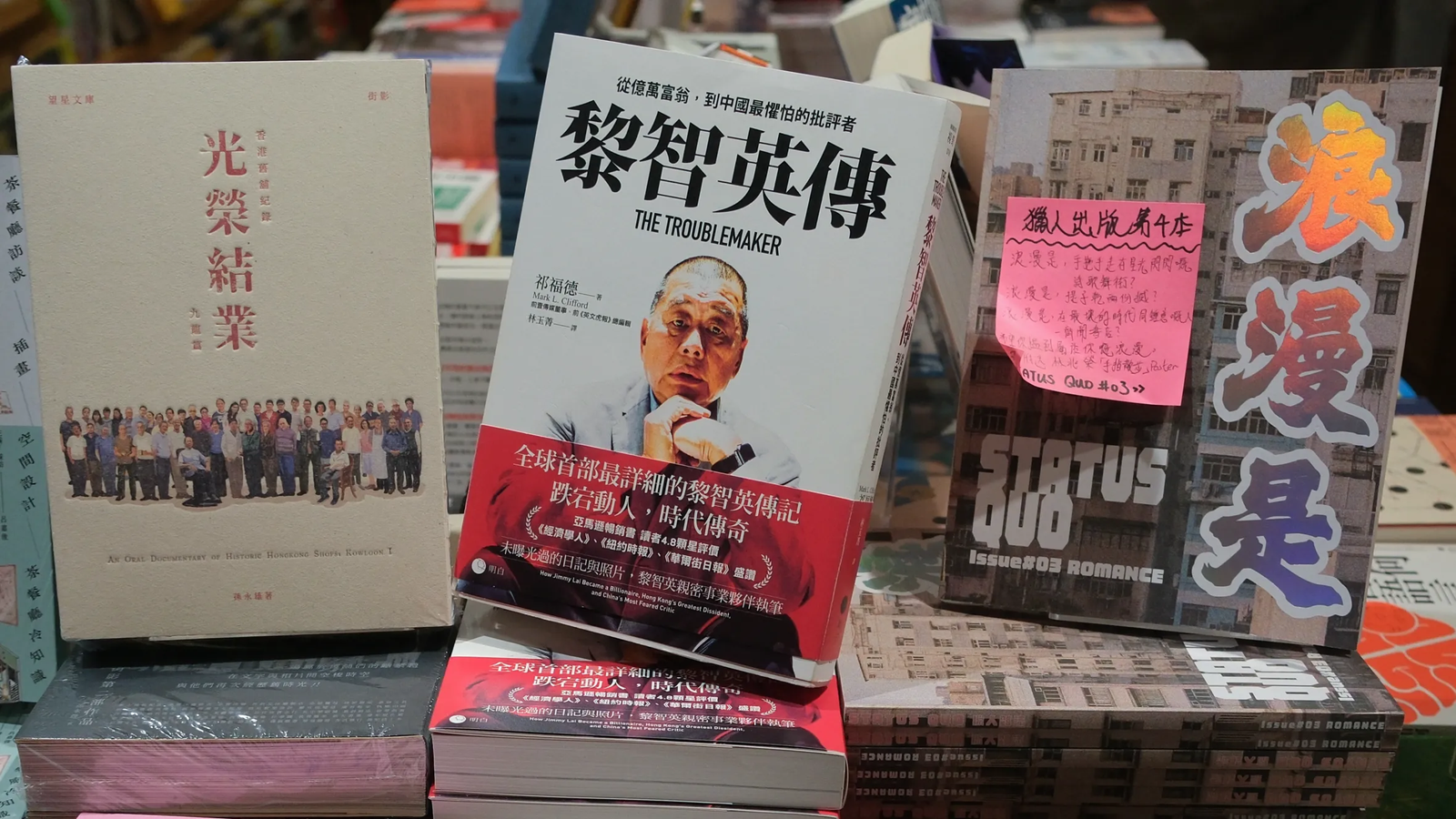
The arrest of a bookstore owner and three staff members in Hong Kong for selling a biography has once again drawn international attention to the city’s rapidly changing legal and political landscape. What was once a hub of free expression and independent publishing is now witnessing increased scrutiny over the circulation of printed material, particularly those tied to political figures and dissenting voices.
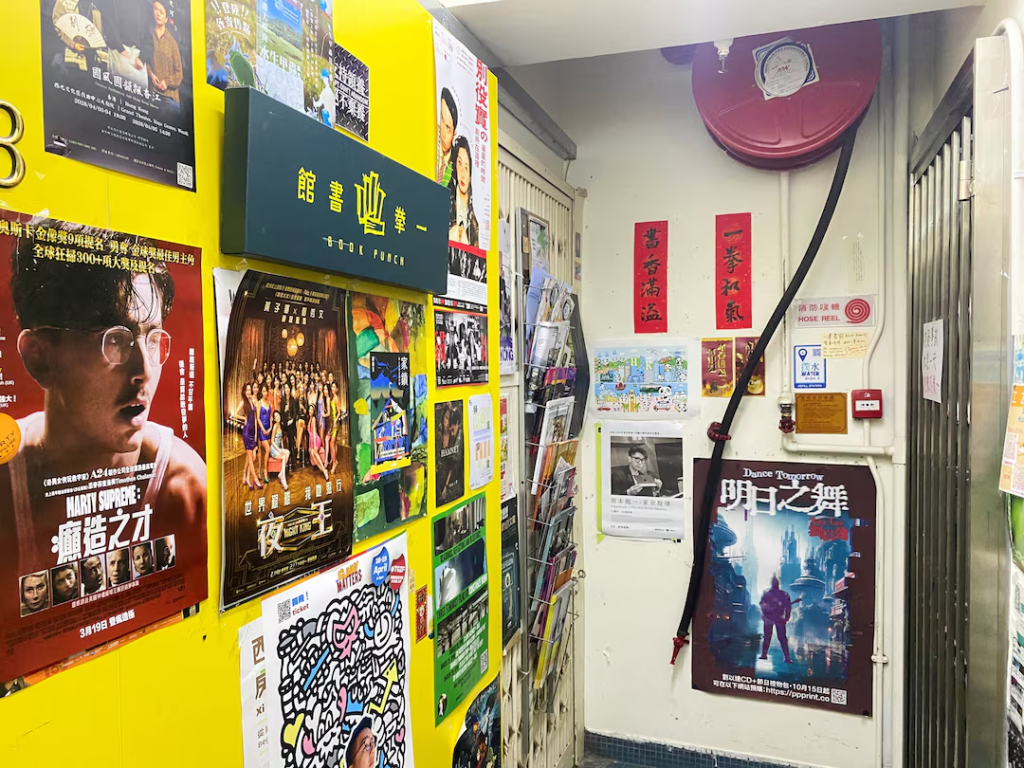
The incident involving the independent bookstore Book Punch in Sham Shui Po illustrates how the boundaries between commerce, literature, and national security have become increasingly blurred under evolving laws. At the centre of the case is the biography The Troublemaker, which chronicles the life of media tycoon Jimmy Lai, a figure long associated with pro-democracy advocacy and criticism of Beijing.
Arrests and Legal Grounds Under National Security Framework
Hong Kong police conducted a raid on the bookstore, resulting in the arrest of owner Pong Yat-ming along with three employees. Authorities reportedly acted on suspicion that the shop was knowingly selling “seditious publications,” a charge that carries severe penalties under local law. Copies of The Troublemaker were among the materials seized, along with other titles considered potentially problematic under national security provisions.
The arrests were carried out by national security police, reflecting the seriousness with which such cases are now handled. The legal basis for these arrests lies in the expanded interpretation of sedition under Hong Kong’s national security framework, particularly following the introduction of Article 23 legislation. Under these provisions, individuals can face up to seven years in prison for distributing materials deemed seditious, with harsher penalties if foreign collusion is alleged.
Authorities maintain that these laws are necessary to ensure stability and prevent the spread of content that could undermine state authority. However, critics argue that the definitions of sedition remain broad and open to interpretation, raising concerns about their application to ordinary commercial activities such as bookselling.
The raid also reflects new enforcement mechanisms that allow authorities to act swiftly against perceived violations. Police have the power to seize publications, demand access to digital devices, and require suspects to provide passwords under court orders. These tools significantly expand the reach of law enforcement into both physical and digital spaces, making it increasingly difficult for businesses to operate without careful consideration of legal risks.
Read : FSSAI Issues Warning Against Sale of Human Milk in India
The bookstore’s sudden closure following the raid, accompanied by a notice citing an emergency, highlights the immediate impact such actions can have on small businesses. For independent retailers, especially those dealing in politically sensitive material, the incident underscores the precarious nature of operating within the current legal environment. The fear of prosecution may lead to self-censorship, reducing the diversity of viewpoints available to the public.
The Significance of ‘The Troublemaker’ and Jimmy Lai’s Legacy
The biography at the centre of the controversy, The Troublemaker, was written by Mark Clifford, a former associate of Jimmy Lai. The book traces Lai’s journey from a refugee to a billionaire entrepreneur and ultimately a prominent critic of the Chinese government. It portrays him as a symbol of resistance and a staunch advocate for press freedom, making it a politically sensitive work in the current climate.
Read : Who is Matt Schlicht, Octane AI CEO Behind Viral AI-Only Social Network Moltbook?
Jimmy Lai himself has become one of the most high-profile figures prosecuted under Hong Kong’s national security laws. At the age of 78, he has been sentenced to a lengthy prison term following convictions that include charges of sedition, collusion with foreign forces, and conspiracy to publish seditious material. His case has attracted widespread international attention, with governments and human rights organizations expressing concern over the implications for press freedom and judicial independence in Hong Kong.
The arrest of booksellers for distributing a biography about Lai introduces a new dimension to the ongoing crackdown. While previous cases have largely targeted activists, journalists, and political organizations, this incident suggests that the scope of enforcement now extends to those who facilitate access to information. The act of selling a book, traditionally seen as a neutral commercial activity, is being reinterpreted through the lens of national security.
Mark Clifford has described the arrests as part of a broader pattern of pressure on his work and on bookstores willing to carry it. He characterized the situation as a “cruel irony,” noting that a biography about a jailed journalist is itself becoming grounds for legal action. His remarks reflect a growing perception among critics that Hong Kong’s commitment to free expression has significantly eroded.
The case also raises questions about the role of literature in shaping public discourse. Biographies, by their nature, provide insight into the lives and ideas of influential individuals. When access to such works is restricted, it limits the ability of readers to engage with diverse perspectives and form informed opinions. In this context, the controversy surrounding The Troublemaker is not merely about one book, but about the broader availability of politically relevant information.
Expanding Crackdown and Its Impact on Hong Kong’s Publishing Landscape
The arrests at Book Punch are part of a wider trend in Hong Kong, where authorities have increasingly invoked national security laws to regulate various aspects of public life. Since the introduction of sweeping legislation in 2020, numerous individuals and organizations have faced legal action for activities that were previously considered lawful. The publishing and bookselling industry, once known for its openness, has been particularly affected.
Read : Texas Teacher Kaci Spampinato Adopts Former Student’s Son After Facebook Plea for Help
Recent amendments to the implementation rules of national security laws have further expanded enforcement powers. Customs officials can now seize items deemed to have “seditious intention,” while police can compel suspects to provide access to electronic devices. These measures create an environment in which both physical and digital content are subject to scrutiny, making it difficult for publishers and retailers to navigate the boundaries of legality.
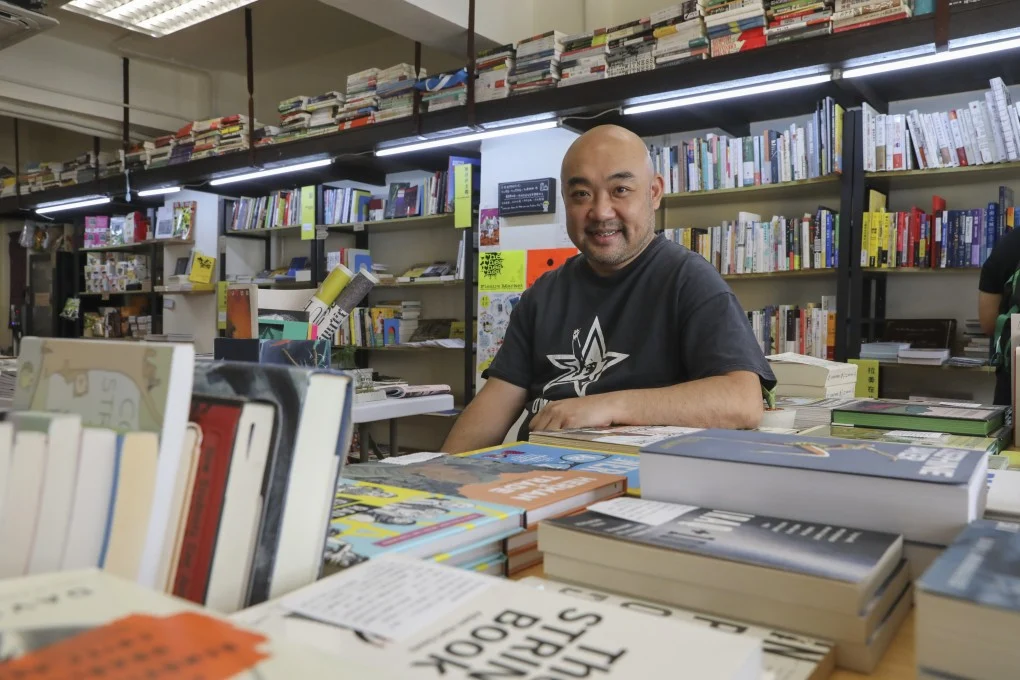
The impact on the industry is already visible. Independent bookstores, which have traditionally played a key role in promoting diverse voices, are facing increasing pressure. Some have chosen to remove certain titles from their shelves, while others have shut down altogether. The chilling effect extends beyond businesses to authors and readers, influencing what is written, published, and consumed.
The case also echoes earlier incidents involving booksellers, such as the disappearance and detention of individuals associated with politically sensitive publications. These events have contributed to a climate of uncertainty and caution within the industry. The memory of past cases continues to shape how stakeholders respond to current developments, reinforcing a sense of vulnerability.
For Hong Kong’s broader society, the implications are significant. The city has long prided itself on being a place where ideas could be freely exchanged, supported by a robust legal system and a vibrant cultural scene. The increasing use of national security laws to regulate expression challenges this identity, raising questions about the future direction of the city.
At the same time, authorities argue that these measures are necessary to maintain order and prevent the recurrence of unrest, particularly in the aftermath of the 2019 protests. From this perspective, the regulation of publications is seen as part of a broader effort to safeguard national interests. The tension between these viewpoints lies at the heart of the ongoing debate over Hong Kong’s evolving governance model.
As the legal landscape continues to shift, cases like the arrest of Pong Yat-ming and his staff are likely to remain focal points for discussion. They highlight the complex interplay between law, politics, and everyday activities, illustrating how changes at the policy level can have far-reaching consequences for individuals and communities.