
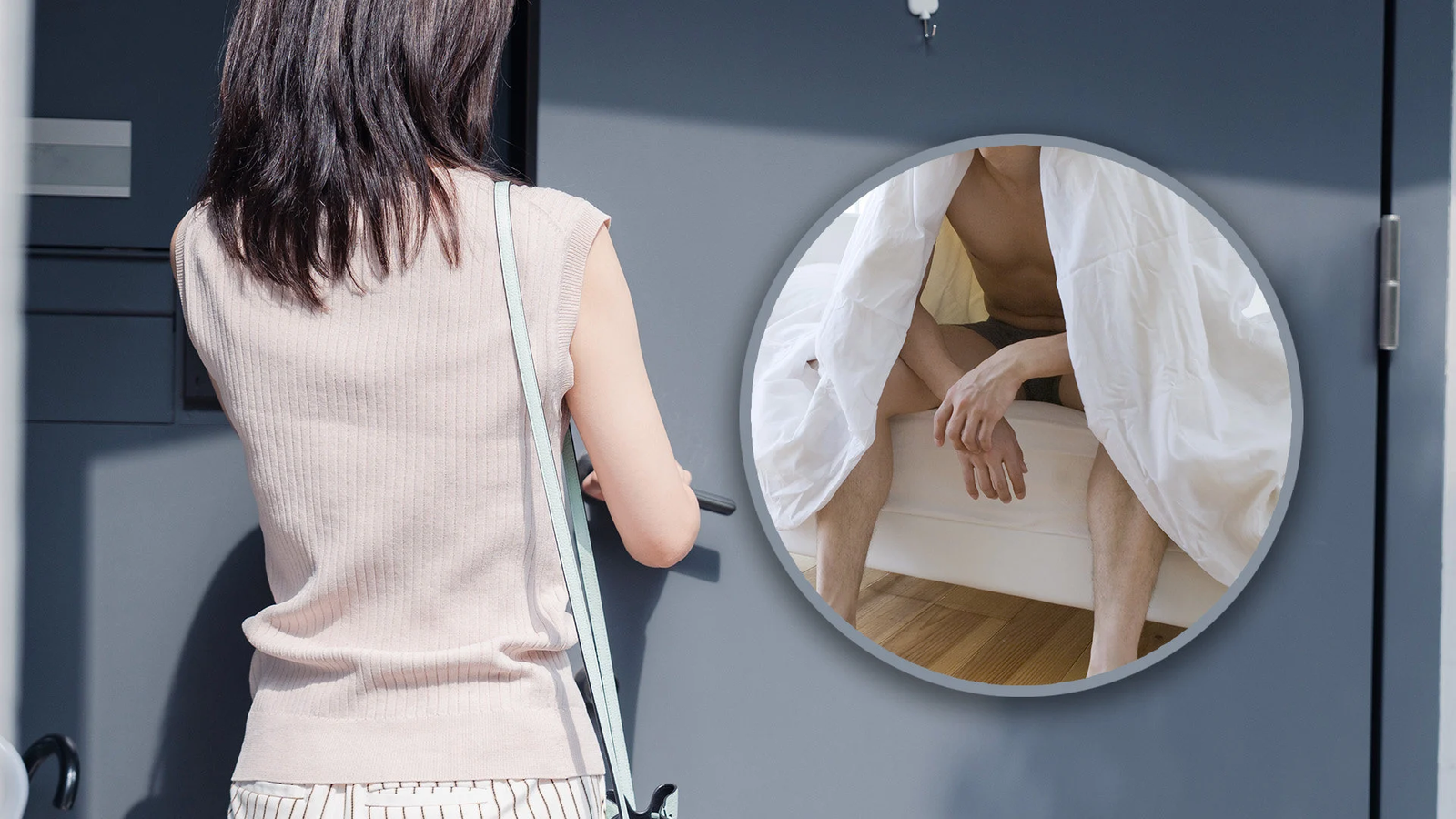
The calm afternoon of a young Japanese woman turned into a disturbing nightmare when she returned home during her lunch break—only to discover a bizarre and unsettling sight – 47-year-old Boss in Her Bed Wearing Only Underwear.
The chilling incident, which took place in Japan’s Fukuoka Prefecture, not only shocked the woman but has since sparked widespread outrage across the nation. This strange case has shed light on serious workplace harassment issues and ignited a public conversation about safety, trust, and power dynamics in professional environments.
A Lunch Break Turned Into a Horrific Discovery
The Japanese Woman, in her twenties, had left her office briefly during her lunch break to collect some personal items from her flat. What should have been a routine visit became a terrifying ordeal. As she entered her home, she was confronted with the surreal and frightening image of her boss lying comfortably in her bed wearing only his underwear. Despite the shock, the woman displayed remarkable composure.
Without panicking, she quietly exited the apartment, shut the door, and contacted the police. Her calm and rational response has been praised widely on social media, with many calling her reaction “admirable” given the unsettling situation she faced.
The man was arrested nearby shortly after police arrived on the scene. During interrogation, he admitted that he had strong feelings for the woman and claimed he simply wanted to learn more about her. However, this twisted explanation failed to justify his deeply invasive and illegal actions.
Read : Crappy! Naked Woman Poops On Seat During Flight From Philadelphia to Chicago
Investigators have since discovered that this was not the first time he had broken into her home. While the woman was completely unaware of any previous intrusions, it is suspected that he had managed to enter her apartment on multiple occasions. Authorities are currently investigating whether he used any form of surveillance or if he had installed anything illegal within the flat to monitor her.
Read : 21 Japanese Habits That the World Must Learn
The thought that someone in a position of power and trust could so easily violate personal space in such a disturbing manner has left many shaken. It has also triggered a deeper discussion about the vulnerability of women in society and the psychological trauma such acts can cause—even without direct physical violence.
Power Harassment in Japan: An Unspoken Crisis
The incident has reignited public concern about workplace harassment in Japan, particularly what is known locally as “pawa hara,” or power harassment. This term refers to a form of bullying or abuse that occurs when someone in a higher position misuses their authority to intimidate or control subordinates. It is a toxic dynamic that has been increasingly recognized but still remains a persistent issue in many Japanese workplaces.
A government survey in 2016 revealed that one in three employees had experienced some form of power harassment in the past three years. This includes verbal abuse, excessive demands, social isolation, and in some cases, sexual harassment. According to another report by the Japan Times in 2017, around 30 percent of working women reported having encountered sexual harassment in their careers.

For years, these issues were rarely addressed openly, largely due to societal norms and a workplace culture that discouraged confrontation. Victims often chose silence over speaking out, fearing retaliation, humiliation, or career setbacks. As a result, many left their jobs quietly, trying to move on without seeking justice.
However, recent social movements and awareness campaigns have started to shift this silence. In 2022, the Japanese government implemented revised laws that now require all employers, regardless of company size, to take preventive action against power harassment. While this marks significant progress on paper, cases like the Fukuoka incident illustrate that cultural and practical change is still an ongoing challenge.
Online discussions following the incident showed a mix of horror, sympathy, and anger. Many users expressed their shock, with some initially finding the situation absurd until realizing its sinister implications. Comments like “At first I found it funny but then I realised it was the scariest thing in the world,” and “She should throw away her bed and even all her furniture,” highlighted the deep emotional impact this kind of violation can have. Others rightfully called it an extreme form of power abuse and criticized the weak boundaries that still exist between professional authority and personal privacy.
When the Victim Is Forced to Leave: A Disturbing Pattern
Perhaps one of the most painful consequences of workplace harassment is the toll it takes on victims’ mental health and livelihoods. Despite being the one wronged, it is often the victim—not the perpetrator—who ends up leaving the job. Social media posts shared under the hashtag “The real reason I quit my job” in Japan earlier this year shed light on the emotional weight of such situations. Many women recounted stories of harassment at work and how it led to depression, anxiety, or burnout. In most cases, they chose to resign rather than continue enduring a toxic environment.
One woman wrote, “It is usually the victim who quits,” summarizing the sad reality faced by many. There is an inherent imbalance in how workplace harassment is dealt with, especially when the aggressor holds a higher position or has influence within the company. Even when legal protections exist, victims often feel unsupported or skeptical about the outcome of formal complaints. Fear of being ostracized, disbelieved, or labeled as “problematic” leads many to suffer in silence or seek a quiet exit.

In the Fukuoka case, although the boss has been arrested, people online have raised concerns about what might happen next. Will he face serious consequences? Will the company take meaningful action? And more importantly, will the woman feel safe enough to return to work, or will she be pressured—explicitly or implicitly—to leave her job?
These questions underline the inadequacy of existing support systems. The trauma of knowing someone repeatedly entered your private space, not just as a stranger but as your own boss, is profound. It can alter one’s sense of security, not only at home but also in everyday professional life. Trust, once broken in such a disturbing way, is hard to rebuild.
Some people online suggested that the woman should move out and replace all her belongings, while others stressed the importance of psychological support. Regardless of the legal outcome, the emotional scars of such an experience are not easily healed. It is a stark reminder that harassment is not only about physical acts—it’s about control, fear, and the lasting damage of being made to feel powerless in your own life.
This incident must not be seen as an isolated case of one man’s disturbing behavior but rather as part of a broader cultural and systemic issue that continues to endanger women in and outside the workplace. It calls for stronger enforcement of harassment laws, better mental health support, and most of all, a cultural shift in how we understand power, privacy, and respect.
Unless the voices of victims are not just heard but acted upon, and unless workplaces commit to creating safer environments for all, stories like this will continue to surface—each one more disturbing than the last.