

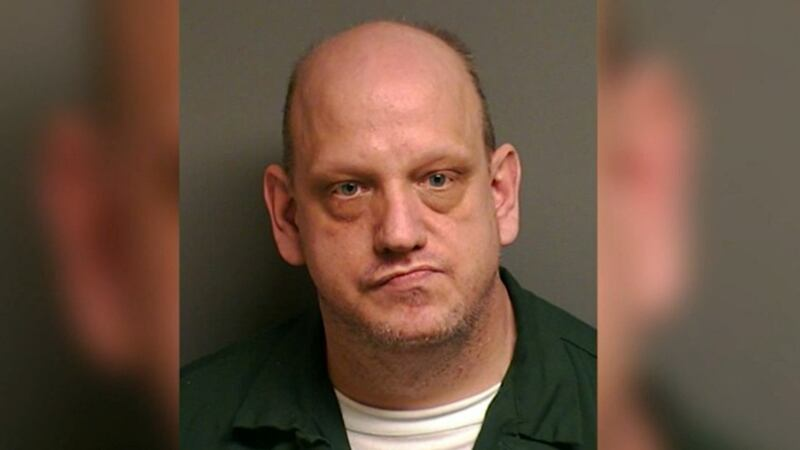
On a late Thursday night in Kearns, Utah, a community was rocked by the arrest of Charles Sheldon Bates, a 61-year-old former Boy Scout troop leader. Bates faces an astonishing 42 charges related to child sex abuse, with allegations spanning over two decades.
The Unified Police Department, which spearheaded the investigation, has described the case as involving “extremely serious crimes” that have persisted for years, affecting multiple victims.
Authorities are now urging anyone who may have been victimized by Bates to come forward, as the investigation continues to unfold. This blog delves into the details of the case, the charges against Bates, and the broader implications for community trust and child safety.
A Decades-Long Pattern of Alleged Abuse
The allegations against Charles Sheldon Bates paint a chilling picture of abuse that reportedly began in the early 2000s and continued for over 20 years. According to the police booking affidavit, the abuse primarily took place at two locations: Bates’ residence in Kearns, a suburb just outside Salt Lake City, and the family bathroom at the Kearns Oquirrh Park Fitness Centre swimming pool.
These locations, meant to be safe spaces for community members and children, were allegedly exploited by Bates to perpetrate heinous acts. The affidavit details the experiences of multiple victims, some of whom were as young as 11 years old at the time of the alleged abuse.
One victim, now an adult, reported being abused between 2007 and 2013 while participating in Boy Scouts of America, now known as Scouting America. This individual identified himself in child sex abuse material found on CDs seized from Bates’ possession.
Another victim, who met Bates at age 13 through the Scouts, described being lured to Bates’ home under the pretense of working on merit badges, only to be subjected to abuse in Bates’ bedroom or at the community pool.
Read : AI child sex abuse image creators will face up to five years in prison in UK
The scope of the allegations is staggering. Police recovered 134 images of child sex abuse material, including photos of at least two identifiable victims. The affidavit notes that one image, taken in 2006, depicted an 11-year-old boy, underscoring the long timeline of Bates’ alleged crimes.
Read : Japan Passes Landmark Law Allowing Joint Custody for Divorced Parents for the 1st time
A fourth victim, abused approximately five or six years ago when he was 13 or 14, further highlights the persistence of Bates’ predatory behavior. The Unified Police Department has emphasized that there are likely more victims who have yet to come forward, given the duration and extent of the alleged abuse.
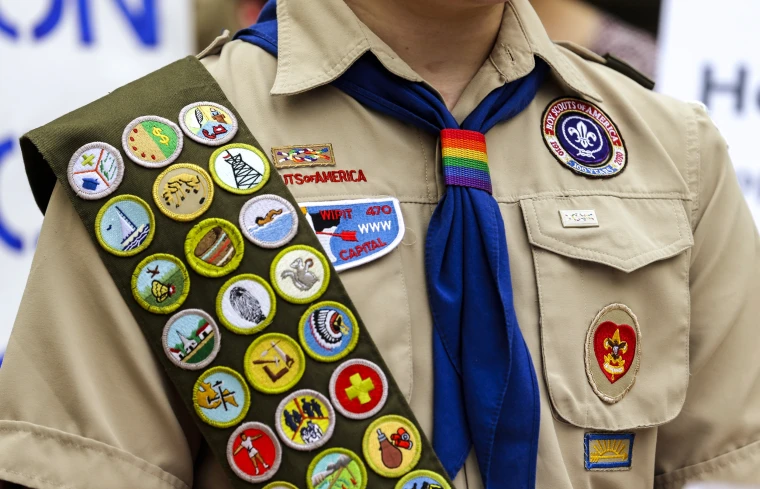
The case also raises questions about how such abuse could go undetected for so long. Bates’ role as a Boy Scout leader gave him access to young boys, and the trust associated with his position may have enabled him to exploit vulnerabilities. The affidavit’s mention of merit badge activities as a pretext for abuse suggests a calculated approach to gaining victims’ trust.
As the investigation continues, authorities are piecing together how Bates was able to operate within the community for decades without raising sufficient suspicion to prompt earlier intervention.
The Charges: A Litany of Serious Crimes
Charles Sheldon Bates faces a total of 42 charges, reflecting the severity and breadth of the allegations against him. The charges, as outlined in Salt Lake County Jail records and the police affidavit, include:
- 20 counts of sodomy on a child, a first-degree felony that carries severe penalties due to the age of the victims and the nature of the offense.
- 10 counts of aggravated sexual exploitation of a minor, related to the possession and distribution of child sex abuse material.
- 7 counts of aggravated sexual abuse of a child, which involves acts of abuse that cause significant harm or involve multiple victims.
- 4 counts of sodomy/forcible sodomy, further compounding the sexual violence allegations.
- 1 count of forcible sexual abuse, the only second-degree felony among the charges, indicating a distinct incident of abuse.
These charges collectively underscore the gravity of Bates’ alleged actions. The discovery of 134 images of child sex abuse material on CDs in Bates’ possession was a critical piece of evidence, with at least two victims identified in the photos. The material not only corroborates the victims’ accounts but also suggests that Bates may have been involved in the production or collection of such content over an extended period.
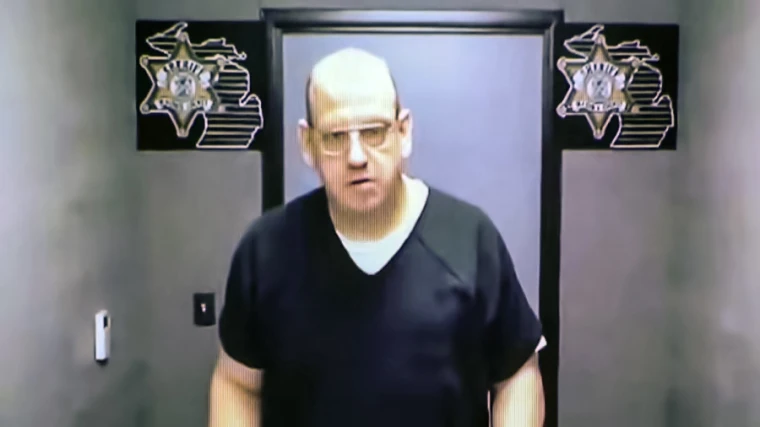
The Unified Police Department has requested that Bates be held without bail, citing the “extremely serious” nature of the crimes and the risk he poses to the community.
As of Monday, jail records confirmed that no bond had been set, reflecting the court’s agreement with the police’s assessment. The sheer number of charges, combined with the long timeframe and multiple victims, makes this one of the most significant child sex abuse cases in recent Utah history.
The legal process will likely be complex, given the number of charges and victims involved. Prosecutors will need to carefully present evidence, including the seized CDs, victim testimonies, and any additional forensic findings, to build a case that holds Bates accountable.
For the victims, the legal proceedings may offer a chance for justice, but they also risk reopening trauma as they recount their experiences in court. The community, meanwhile, awaits answers about how such a prolific offender allegedly operated for so long within a trusted institution like the Boy Scouts.
Community Impact and the Call for Victims to Come Forward
The arrest of Charles Sheldon Bates has sent shockwaves through Kearns and the broader Salt Lake City area. The Boy Scouts of America, recently rebranded as Scouting America to reflect its inclusion of girls, has long been a cornerstone of youth development, teaching values like leadership, teamwork, and integrity.
Bates’ alleged actions betray the trust placed in him as a troop leader and cast a shadow over the organization’s reputation in the community. The Oquirrh Recreation and Parks District, which operates the Kearns Oquirrh Park Fitness Centre, issued a statement expressing deep concern about the allegations.
The district emphasized that it has no record of Bates or any incidents at its facility but pledged full cooperation with the Unified Police Department’s investigation. The statement also reaffirmed the district’s commitment to patron safety, highlighting the broader challenge of ensuring that community spaces remain secure for children.
For parents and community members, the case raises difficult questions about child safety and oversight within youth organizations. How could a troop leader allegedly abuse children for over two decades without detection? What safeguards failed to allow Bates to exploit his position of authority?
These questions are likely to prompt renewed scrutiny of Scouting America’s policies, including background checks, training, and reporting mechanisms for suspected abuse. The Unified Police Department’s call for additional victims to come forward is a critical step in uncovering the full extent of Bates’ alleged crimes.
Authorities have provided a contact number, 801-840-4000, for anyone who believes they or someone they know may have been victimized. This outreach underscores the police’s belief that the current list of identified victims—already described as “numerous”—may only represent a fraction of those affected.
Encouraging victims to speak out is a delicate process. Many survivors of child sex abuse grapple with shame, fear, or trauma that can make coming forward difficult, especially years after the fact.
The police’s public appeal, combined with the high-profile nature of the case, may embolden some to share their stories, but it also highlights the need for robust support systems, such as counseling and legal advocacy, to assist victims through the process.
The case also serves as a broader reminder of the importance of vigilance in protecting children. Parents, educators, and community leaders must foster environments where children feel safe reporting inappropriate behavior and where adults are trained to recognize warning signs of abuse.
Organizations like Scouting America, which serve thousands of children nationwide, face the ongoing challenge of balancing trust with accountability to prevent future tragedies.
The arrest of Charles Sheldon Bates for 42 charges of child sex abuse is a sobering moment for Kearns, Utah, and the Scouting America community. The allegations, spanning over two decades and involving multiple victims, reveal a disturbing pattern of predation enabled by Bates’ role as a trusted Boy Scout leader.
The charges, ranging from sodomy on a child to aggravated sexual exploitation of a minor, reflect the profound harm allegedly inflicted on young boys in the community. As the Unified Police Department continues its investigation, the call for additional victims to come forward underscores the potential scale of Bates’ actions.
The recovery of 134 images of child sex abuse material and the identification of at least two victims in those images provide damning evidence, but the full truth may still be emerging. For now, Bates remains in custody without bail, awaiting a legal process that will determine the consequences of his alleged crimes.
The case challenges communities to confront difficult truths about trust, oversight, and child safety. It serves as a call to action for organizations, parents, and individuals to prioritize vigilance and accountability to protect the most vulnerable. As Kearns grapples with the fallout, the hope is that justice for the victims will pave the way for healing and stronger safeguards to prevent such atrocities in the future.
Çanta su kaçak tespiti Cihazları çok etkiliydi, kısa sürede su kaçağı tespiti yapabildiler. https://netgork.com/read-blog/9690_uskudar-su-tesisatcisi.html