

Paris Saint-Germain’s historic Champions League victory over Inter Milan was a moment of immense pride and joy for football fans across France. After a commanding 5-0 win, PSG secured the coveted title for the first time, igniting celebrations in Paris and throughout the country.
However, the jubilation was overshadowed by violence and tragedy as street parties spiraled out of control, resulting in two deaths, hundreds of arrests, and many injuries. What should have been a night of pure celebration instead exposed the darker realities that can sometimes accompany large public gatherings.
The Euphoria Turns Violent: Celebrations Spiral Out of Control
The victory sparked wild celebrations in the French capital and beyond. Thousands of supporters poured onto the streets, especially on the iconic Champs-Élysées avenue, a traditional gathering spot for big sporting moments. Fans danced, sang, and set off flares and fireworks in a display of joy and excitement. Inside PSG’s Parc des Princes stadium, the game was shown on a giant screen, bringing together fans to witness the historic moment.
But the celebrations soon escalated into disorder. The French interior ministry reported 692 fires across the country, including 264 involving vehicles, with many bus shelters destroyed and cars torched. Clashes erupted between fans and police, with projectiles hurled at riot officers who responded with tear gas and water cannons.
Police reported 192 injuries, including 22 security personnel and seven firefighters hurt while managing the chaos. As of Sunday morning, 559 arrests had been made, most of them in Paris, where 320 people were placed in police custody.
After PSG won the champions league, migrants in Paris used the celebrations as an excuse to riot
— Kattia Olsen 🇳🇴 (@kattia_olsen1) June 2, 2025
Our children and grandchildren will never forgive us for allowing Mass immigration in Europe.
Deport them now
🥰
pic.twitter.com/zqMkJ1L5Xk
The authorities had deployed 5,400 police officers in Paris and nearby suburbs in anticipation of the celebrations, but the sheer scale of the crowd and the violence made controlling the situation extremely challenging. The interior ministry warned of more potential unrest during PSG’s planned parade on the Champs-Élysées and subsequent festivities at the Parc des Princes stadium.
Tragedy Strikes: Deaths Cast a Dark Shadow
Amid the celebrations and chaos, two tragic deaths occurred. A 17-year-old boy was stabbed to death in the western city of Dax during a PSG street party. The national police confirmed the fatal stabbing but did not immediately link it to specific details of the party.
Meanwhile, in Paris, a man in his twenties died after his scooter was hit by a car during the celebrations. The driver has been detained, and Paris police chief Laurent Nunez stated that a judicial investigation will determine whether the incident was directly related to the festivities. Early indications suggest it was connected to the chaotic environment surrounding the celebrations.
Read : Who Is Vanya Agarwal Who Shouted at CEO Satya Nadella at Microsoft’s 50th Anniversary Celebration?
These tragic losses underscored the dangerous volatility that can accompany mass public events, especially when emotions run high and large crowds gather without sufficient controls. The deaths left families and communities mourning amid what was supposed to be a festive occasion.
The Aftermath and Police Response
The violence that erupted after PSG’s win is sadly not unprecedented in Paris during major sporting events. Authorities have often faced challenges managing large crowds during high-profile soccer matches, where exuberance can quickly turn into unruliness. In this case, despite heightened security measures and the presence of thousands of police officers, the scale of unrest overwhelmed efforts to maintain order.
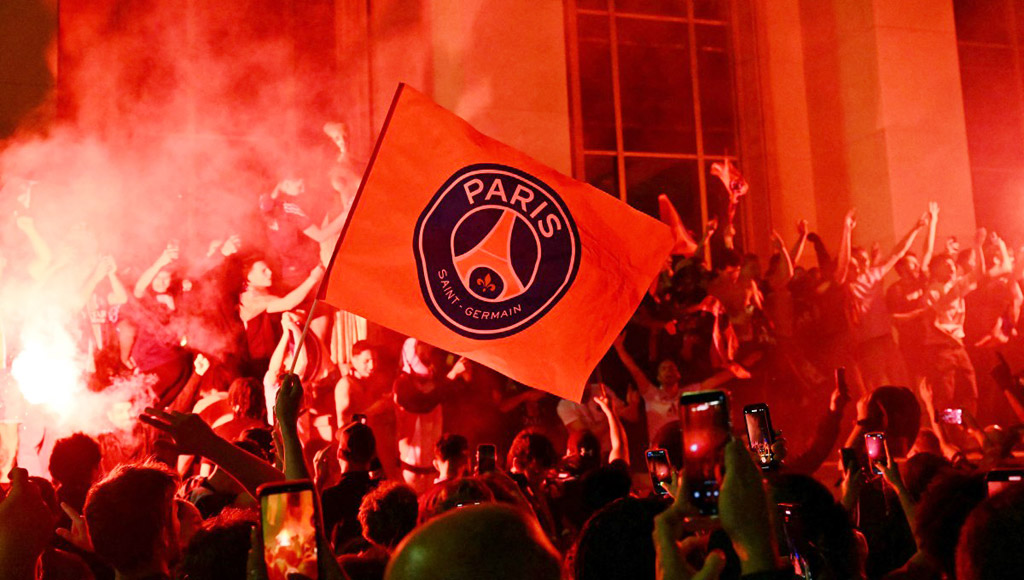
Following the disturbances, police intensified their presence and implemented strict crowd control measures to prevent further escalation during the scheduled PSG parade and celebration at Parc des Princes. Attendance was capped at just over 100,000 people for the parade, with access tightly controlled. Police warned that any attempts to block roads, attack law enforcement, or cause further damage would be met with firm but measured responses.
PSG forward Ousmane Dembélé urged fans to celebrate responsibly, saying, “Let’s celebrate but without breaking everything in Paris.” His plea highlighted the need for restraint amid the euphoria. Yet, despite the warnings, skirmishes and fires continued to be reported, including attempts by some groups to breach police barriers near the Arc de Triomphe.
At the Place de la Bastille, fans initially enjoyed joyous moments—singing, dancing, and lighting flares—while motorbikes made laps around the famous column to the crowd’s cheers. For a time, the mood was festive with no tensions, but elsewhere, violence and destruction marred the celebrations.
Paris Saint-Germain’s historic Champions League victory was a landmark sporting achievement that ignited passion and pride among fans. However, the celebrations were overshadowed by violence, tragedy, and widespread disorder. Two lives were lost, hundreds injured, and the streets of Paris and other French cities were left scarred by fires and destruction.
The scale of the unrest exposed the challenges authorities face in managing large, emotionally charged public gatherings and highlighted the need for better strategies to ensure safety without dampening the spirit of celebration. As PSG looks ahead to future triumphs, the memory of this chaotic night remains a stark reminder of the fine line between joy and chaos in mass sporting events.