

A tragic incident unfolded in Nottingham as emergency services recovered the body of a 16-year-old boy who went missing while swimming in a lake at Colwick Country Park. The heartbreaking discovery came after a desperate search operation, igniting fresh warnings from authorities about the dangers of open water swimming, especially during the warmer months.
This incident, which occurred amid rising temperatures across the UK, has once again highlighted the unpredictable and often fatal nature of water bodies that may appear deceptively safe.
Emergency services were alerted around 5:20pm on the day the boy disappeared. Nottinghamshire Police confirmed that the teenager had gotten into difficulty while swimming in the lake during the hot weather, which saw temperatures rise to 25C in the region.
Despite swift response from police, fire and rescue units, and underwater search teams, efforts to rescue the boy alive proved unsuccessful. His body was found around 8:00pm, bringing the search to a tragic end.
Authorities confirmed that the boy’s family had been informed of the development and were being supported by specially-trained officers. The incident, while not being treated as suspicious, is under investigation to understand how the teenager came into difficulty in the water.
As the UK enters warmer months, the case stands as a stark reminder of the silent dangers lurking beneath natural water surfaces, particularly when people, especially the young and inexperienced, venture into them without supervision or safety measures.
The Tragic Discovery and Emergency Response
The emergency operation launched at Colwick Country Park mobilized multiple teams, including Nottinghamshire Police, Nottinghamshire Fire and Rescue Service, and a police underwater search unit.
Initial reports state that the boy had entered the water during the heatwave-like conditions and quickly found himself in trouble. Despite immediate response and coordinated rescue attempts, he could not be saved.
Chief Inspector David Mather of Nottinghamshire Police expressed sorrow over the outcome, stating, “Emergency services have sadly recovered the body of a teenage boy from the lake, despite the best efforts of rescue teams.
This is a tragic discovery, and our thoughts are with this boy’s family and friends at this incredibly difficult time.” He emphasized the hidden dangers of open water and urged the public to take this case as a reminder of how quickly such situations can turn fatal.
Read : Bizarre! Nobuhiko Suzuki Hides Father’s Body In Closet For 2 Years To Avoid Funeral Expense
Tom Staples, group manager at Nottinghamshire Fire and Rescue Service, also expressed his condolences and reiterated the perils of natural water bodies.
With the temperature at Kew Gardens reaching 28.0 °C and still climbing, it is now officially the warmest start to May on record for the UK
— Met Office (@metoffice) May 1, 2025
The previous May 1st record high temperature was 27.4 °C at Lossiemouth in Scotland in 1990
🌡️
“Despite the tireless efforts of all the emergency services involved, we are deeply saddened to confirm that the body of a 16-year-old boy has been recovered at Colwick Country Park,” he said. “This tragic incident serves as a stark reminder of the hidden dangers of open water.”
The boy’s death has shaken the local community and the incident has drawn attention at the national level. According to authorities, the temperature in Nottingham at the time reached 25C, contributing to the allure of lakes and rivers for cooling off—particularly for young people. However, experts warn that even in warm weather, water temperatures can remain dangerously low, posing risks of cold water shock, loss of muscle control, and drowning.
The Hidden Dangers of Open Water
Incidents like this one shed light on a recurring issue in the UK: the underestimated hazards associated with swimming in open water. Lakes, rivers, quarries, and canals often appear calm and inviting, but they conceal a number of threats, such as strong currents, underwater debris, sudden depth changes, and cold temperatures. Many of these hazards are invisible from the surface, which makes it especially perilous for inexperienced swimmers.
Chief Inspector Mather emphasized the often-overlooked threat of cold water, saying, “Open water can have hidden dangers that can prove fatal. I would urge anyone who spends any time on or near open water to use this case as a devastating reminder of that—particularly during the recent warm weather we have been experiencing.”
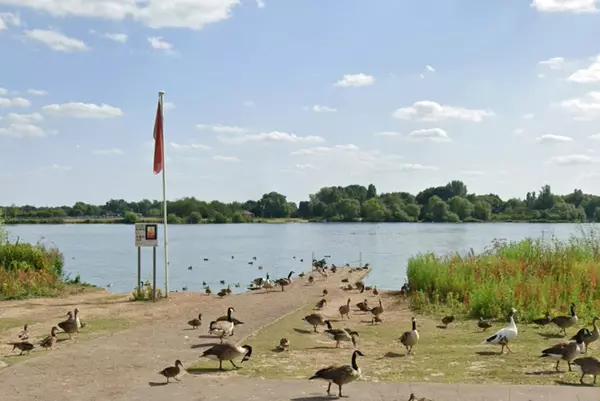
Councillor Sam Lux of Nottingham City Council joined in the calls for increased public awareness. He acknowledged the emotional weight of the tragedy and highlighted that the city council, along with the police and fire service, will be reviewing the circumstances surrounding the event to learn lessons and prevent similar incidents.
Lux also appealed to the public to adhere to safety guidance at Colwick Country Park and other open water sites, only entering the water during supervised sessions. The London Fire Brigade also recently flagged a concerning trend, reporting a 32% increase in water-related incidents compared to the same period last year.
Assistant Commissioner Craig Carter warned of the deceptive nature of open water, saying, “Even when the sun is shining, water temperatures can be dangerously cold. Cold water shock can affect anyone, no matter how fit or experienced they are. It can lead to water inhalation and, in the worst cases, drowning.”
Calls for Greater Awareness and Prevention Measures
As Britain experiences unseasonably high temperatures, expected to hit 30C in some parts of the country, safety campaigns are being reinforced. While the Met Office has stated that the current spell does not officially meet the criteria for a heatwave, the consistently high temperatures have lured many to lakes and rivers for relief from the heat.
Michael Silverstone from the Met Office commented that if temperatures do reach 30C on Thursday, it could mark the earliest date for such a high temperature in May since records began in 1860. However, despite the pleasant weather, authorities stress that this should not lull people into a false sense of security when it comes to water safety.
Open water swimming has grown in popularity, especially during and after the pandemic, with people seeking outdoor and socially-distanced recreational options. However, this trend has not always been accompanied by adequate public understanding of water safety. In light of this incident, emergency services are calling for renewed efforts in education and prevention, including signage at lakes and rivers, school awareness programs, and increased supervision during peak seasons.
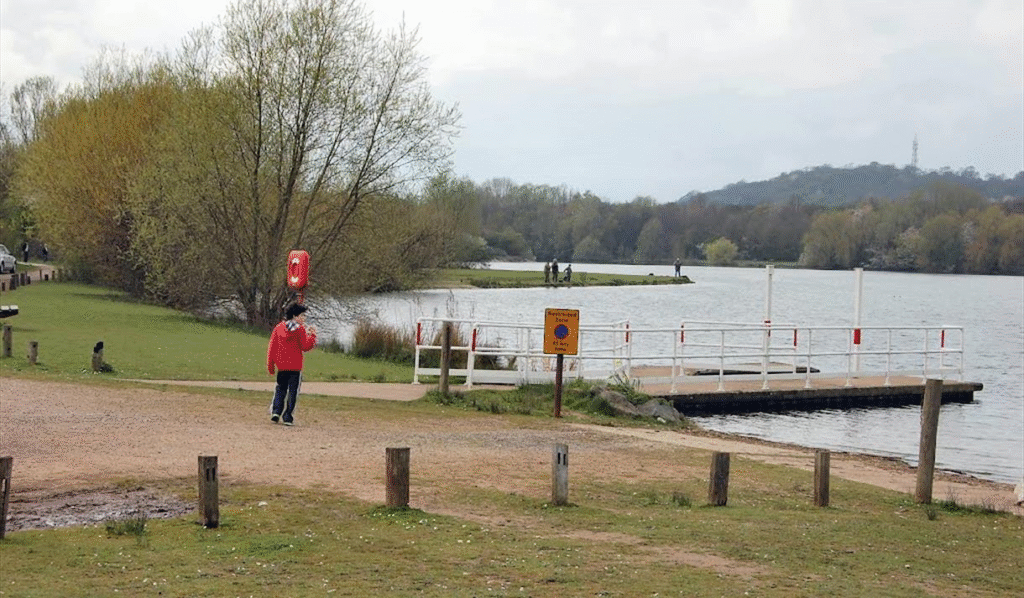
Authorities are also encouraging people to only participate in swimming activities at designated sites with lifeguards or trained supervisors. They advise never to swim alone, to avoid alcohol before swimming, and to ensure that someone on shore knows where you are. Additionally, simple measures such as wearing flotation devices or using safety ropes can dramatically reduce the risk of drowning.
This latest tragedy may well lead to policy reassessments at local and national levels. Campaigns such as the Royal Life Saving Society UK’s “Respect the Water” continue to play a key role in raising awareness, but officials suggest that more must be done to ensure these messages reach young people in particular, who often underestimate the risks or feel a sense of invincibility.
While the coroner’s report will provide more detail on the precise cause of the 16-year-old’s death, the current consensus among authorities is clear: natural bodies of water, however serene they may seem, are unpredictable and demand caution.
The pain of the boy’s loss will resonate deeply with the Nottinghamshire community and beyond. His family, now grieving the unimaginable, will no doubt be central to any future initiatives or memorials that arise from this tragedy. It is a stark and painful lesson that should not be forgotten as the country basks in warm weather.
If anything can come from this sorrow, it should be a redoubling of efforts to make sure such incidents are far less frequent. Better education, infrastructure, enforcement, and cultural awareness around water safety must become a national priority, especially as Britain sees longer and hotter summers in the coming years.