

A Norwegian scientist working on a classified research initiative has reportedly suffered brain damage after testing an experimental device designed to investigate the controversial medical phenomenon commonly referred to as Havana Syndrome. The incident, which emerged through investigative reporting and official sources familiar with the matter, has intensified scrutiny surrounding both the unexplained health condition and the technologies suspected of causing it.
The scientist had reportedly constructed a device capable of emitting powerful pulses of microwave radiation as part of an effort to test whether such energy exposure could account for symptoms reported by diplomats, intelligence personnel, and government staff across multiple countries. The experiment, intended to challenge the plausibility of claims that directed energy devices could be responsible for mysterious neurological symptoms, instead produced alarming results.
Shortly after testing the device, the researcher developed health issues that bore similarities to those described by individuals previously linked to the phenomenon. While officials reportedly determined that the scientist’s symptoms did not perfectly match what some investigators classify as a “classic” case, the seriousness of the medical outcome prompted both national and international concern. Government authorities sought assistance from foreign counterparts, and multiple official visits were conducted to assess the situation and examine the broader implications of the incident.
The development has unfolded against the backdrop of years of uncertainty surrounding Havana Syndrome, a condition that remains one of the most debated health and security mysteries of recent decades. Reports of sudden cognitive disruption, intense headaches, disorientation, and long-term neurological impairment have emerged from different regions of the world, often involving individuals in diplomatic or intelligence roles.
While the exact cause has never been definitively established, theories have ranged from environmental factors to deliberate technological attacks using pulsed electromagnetic energy. The Norwegian experiment has now introduced an unexpected new dimension to that debate, raising fresh questions about risk, research ethics, and the physical effects of advanced energy systems.
The Origins and Global Spread of a Medical Mystery
The phenomenon now widely known as Havana Syndrome first drew international attention in 2016, when diplomatic personnel stationed abroad began reporting unusual and sudden health disturbances. Early accounts described individuals experiencing intense pressure sensations, ringing in the ears, balance problems, and cognitive impairment that developed without warning. In many cases, symptoms appeared abruptly and were severe enough to require medical evacuation.
Over time, similar reports surfaced from multiple countries, expanding the geographic scope of concern and prompting coordinated investigations. Governments faced immediate challenges in interpreting the reports. Some medical evaluations identified signs consistent with mild traumatic brain injury, even though no conventional physical trauma had occurred. Neuroimaging and clinical testing revealed abnormalities in certain patients, while other examinations produced inconclusive or inconsistent findings.
The variation in symptoms, combined with the absence of a clearly identifiable exposure mechanism, complicated attempts to establish a single diagnostic profile. As a result, officials began using broader terminology to categorize the cases, referring to them as anomalous health incidents rather than a formally defined syndrome. Scientific opinion quickly diverged. Some researchers suggested that environmental stressors, psychological factors, or preexisting medical conditions might explain the reported symptoms.
Read : Putin Was Sleeping: Russia on Whether He Watched the Biden-Trump Debate
Others argued that the sudden onset and clustering of cases pointed toward an external physical cause. One theory that gained sustained attention involved the possibility of directed energy exposure, particularly pulsed microwave radiation. Advocates of this explanation proposed that certain forms of electromagnetic energy might interact with biological tissue in ways capable of producing neurological disruption.
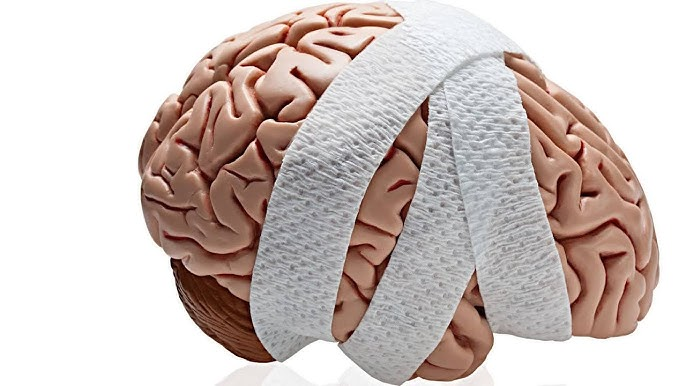
The lack of definitive proof did little to slow the expansion of the phenomenon’s global footprint. Reports surfaced in more than a dozen countries, involving individuals working in diplomatic missions, intelligence operations, or other sensitive government roles. The wide distribution of cases made it difficult to attribute the incidents to a single environmental source, further fueling speculation that a technological mechanism might be involved. At the same time, comprehensive evidence confirming such a mechanism remained elusive, leaving investigators with competing hypotheses but no conclusive resolution.
The persistence of uncertainty has shaped both policy and research priorities. Governments have invested substantial resources into studying potential causes, developing detection methods, and supporting affected individuals. Medical specialists continue to examine neurological outcomes, while security analysts explore possible technological threats. Yet despite years of investigation, Havana Syndrome remains defined less by what is known than by what cannot yet be explained. The Norwegian experiment has therefore emerged within a scientific landscape already marked by unresolved questions and ongoing debate.
The Experimental Device and Its Unexpected Consequences
The Norwegian researcher’s project reportedly aimed to address one of the most contentious aspects of the Havana Syndrome debate: whether directed microwave energy could plausibly produce the kinds of symptoms described in reported cases. To test this possibility, the scientist constructed a device capable of generating concentrated pulses of microwave radiation. The experiment was conducted within the context of a high-security research effort, reflecting the sensitivity of both the technology involved and the broader geopolitical implications of the investigation.
According to accounts from individuals familiar with the project, the device was designed to replicate conditions that some analysts believe could be associated with energy-based exposure scenarios. By examining how controlled bursts of radiation interacted with biological systems, researchers hoped to determine whether such energy could realistically induce neurological effects consistent with those reported in anomalous health incidents. The experiment represented an attempt to move beyond theoretical speculation and produce measurable data under controlled conditions.
Read : Who Is Zifan Wang, the Meta AI Scientist Denied US Re-Entry Following Visit to China?
The outcome, however, was not what investigators anticipated. After testing the device, the scientist developed significant neurological symptoms. Medical evaluations later indicated that the researcher had suffered brain damage, though the precise mechanism responsible for the injury has not been publicly detailed. The severity of the condition triggered immediate concern among authorities, leading to consultations with international experts and the involvement of multiple government agencies seeking to understand both the technical and medical dimensions of the incident.
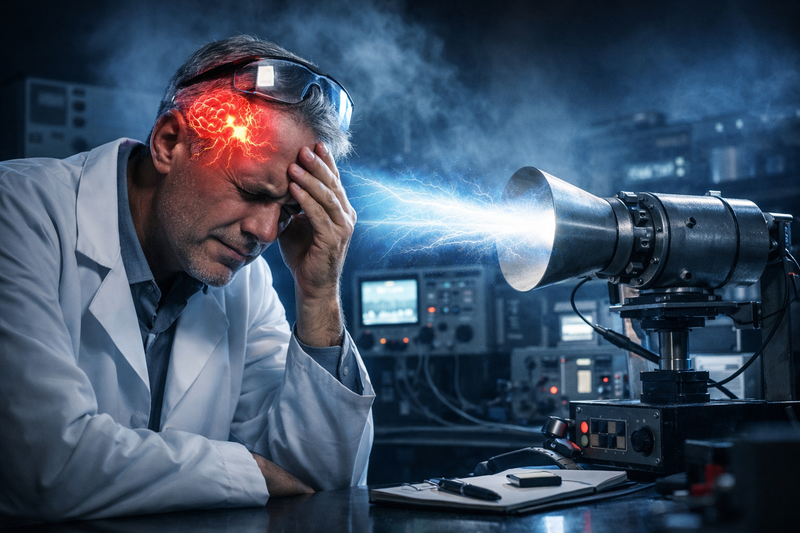
Investigators reportedly concluded that the scientist’s symptoms did not align perfectly with previously documented cases associated with Havana Syndrome. This distinction has complicated efforts to interpret the findings. On one hand, the occurrence of neurological injury following exposure to experimental microwave emissions has drawn attention to potential biological risks associated with high-intensity energy pulses. On the other hand, the differences between the researcher’s condition and earlier reports suggest that the relationship between directed energy and observed symptoms may be more complex than originally assumed.
The incident has also raised questions about research safety and experimental design. Working with high-energy electromagnetic systems presents inherent risks, particularly when exploring biological effects that are not fully understood. While laboratory safeguards are intended to minimize danger, the unexpected outcome of this experiment highlights the challenges of studying phenomena that remain poorly characterized. It underscores the difficulty of replicating real-world exposure scenarios without fully knowing the parameters involved.
Beyond the immediate medical consequences, the experiment has taken on broader symbolic significance. A project intended to challenge or disprove the plausibility of energy-based explanations instead produced an injury consistent with serious neurological harm. Although this does not confirm that such devices are responsible for reported anomalous health incidents, it demonstrates that powerful microwave emissions can produce measurable biological effects under certain conditions. The finding has intensified scientific interest in the potential interaction between electromagnetic energy and human neural function.
Government Investigations and the Search for Technological Explanations
The severity of the Norwegian scientist’s condition prompted swift engagement from national authorities, who sought assistance from international partners experienced in investigating anomalous health incidents. Official visits by foreign defense and executive branch representatives reportedly took place as part of a coordinated effort to evaluate the implications of the experiment.
Read : Scientists Inject Rhino Horns with Radioactive Isotopes to Combat Poaching
These consultations focused not only on the scientist’s medical condition but also on the technological characteristics of the device and its potential relevance to ongoing investigations worldwide. The involvement of multiple governments reflects the broader security concerns surrounding Havana Syndrome. If directed energy devices capable of producing neurological effects exist outside controlled laboratory settings, their potential use would represent a significant technological and diplomatic challenge.
Investigations have therefore focused on identifying possible sources of such devices, examining their design, and assessing their operational feasibility. Intelligence agencies have explored whether advanced energy systems could be developed, deployed, or concealed in ways consistent with reported incidents. One line of inquiry has centered on specialized equipment capable of producing pulsed radiofrequency emissions. Reports indicate that government agencies have acquired and tested devices believed to operate using similar principles, in some cases through covert procurement efforts.
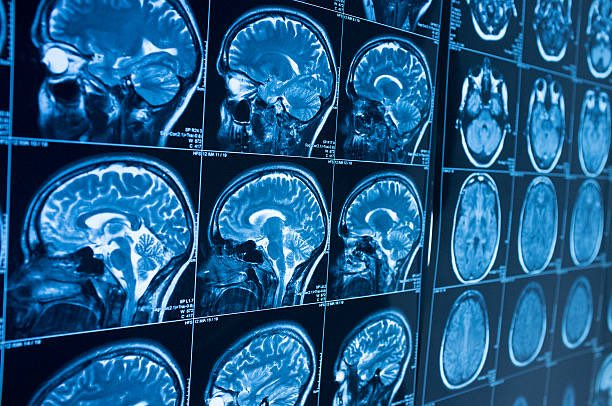
These systems reportedly generate concentrated bursts of electromagnetic energy, providing a platform for studying potential biological effects under controlled conditions. Analysts hope that such testing will clarify whether the physical characteristics of these devices align with the patterns observed in reported anomalous health incidents.
Despite these efforts, definitive conclusions remain out of reach. Technical evaluations have yet to establish a consistent link between specific devices and the full range of symptoms reported across different cases. Some investigators argue that the diversity of clinical presentations makes a single technological explanation unlikely. Others contend that variations in exposure intensity, duration, and environmental context could account for differences in observed outcomes. The absence of direct evidence connecting any particular device to real-world incidents continues to complicate the investigation.
The Norwegian experiment has nonetheless contributed new data to the discussion. By demonstrating that intense microwave exposure can coincide with neurological injury, it provides empirical information that may inform future research. Scientists and policymakers alike must now consider how such findings fit within the broader body of evidence accumulated over nearly a decade of investigation. The incident has reinforced the need for rigorous testing, transparent analysis, and international cooperation in addressing a phenomenon that remains both medically perplexing and strategically significant.
As research continues, the central questions remain unresolved. What precisely causes the symptoms reported in anomalous health incidents? Under what conditions can electromagnetic energy affect neurological function? And to what extent can laboratory findings be translated into real-world scenarios? The Norwegian scientist’s experience has not answered these questions, but it has reshaped the context in which they are asked, providing a stark reminder of the risks and uncertainties that define the ongoing search for explanations.