

In a devastating loss to Brazil’s vibrant influencer community, Adair Mendes Dutra Junior, widely known as Junior Dutra, died on October 3, 2025, at the age of 31 in a São Paulo public hospital. The fashion influencer, who had built a substantial following through his stylish content and personal branding expertise, succumbed to complications linked to a cosmetic “fox eyes” procedure performed months earlier. Dutra had openly shared his struggles with post-surgery infections in the weeks leading up to his death, raising alarms about the risks of such enhancements.
His passing has ignited widespread discussions on the dangers of unregulated aesthetic treatments, particularly among social media personalities who often endorse these procedures to maintain their image. Dutra’s final moments were described in harrowing detail by his close friend Gean Souza, who spoke to Brazilian publication Quem on October 4. Souza explained that Dutra had endured persistent infectious reactions and discomfort since the surgery in March 2025. By early October, these issues had worsened dramatically, leading to severe breathing difficulties.
On the day he passed, Dutra experienced acute shortness of breath and was urgently transported to the emergency room, where efforts to stabilize him failed. While official medical records are pending, Souza and others close to Dutra firmly connect his death to the unresolved complications from the procedure. This incident highlights the precarious intersection of beauty standards driven by social media and the potential life-threatening outcomes of cosmetic interventions, prompting renewed scrutiny of Brazil’s expansive, often loosely regulated beauty industry.
The Rise of Junior Dutra in Brazil’s Fashion Scene
Adair Mendes Dutra Junior carved out a notable niche in Brazil’s digital fashion world, leveraging his dual expertise as an architect and stylist to create compelling online content. Launching his influencer career around 2020, Dutra quickly gained traction on Instagram under the handle @dutraau, where he amassed 123,000 followers by the time of his death. His posts blended high-end fashion editorials, urban lifestyle glimpses, and professional styling advice, appealing to a young demographic eager for sophisticated yet relatable inspiration.
Dutra’s aesthetic often featured tailored suits, bold color palettes, and location-based shoots in São Paulo’s dynamic streets, earning him acclaim for his polished yet approachable vibe. Beyond surface-level glamour, Dutra positioned himself as a guide for creative professionals navigating the influencer economy. He frequently shared tutorials on building personal brands, transitioning careers, and embracing authenticity in a competitive field. One of his most recent posts, dated just before his health declined sharply, captured this ethos: a series of empowering self-portraits captioned, “Loving this new phase!!! Congratulations on having the courage to own your essence and BE.”
The outpouring of support in the comments reflected his impact, with fans lauding his resilience and vision. As an architect by training, Dutra infused his fashion work with structural precision, often drawing parallels between building designs and curating wardrobes. His collaborations with local brands and appearances in fashion events solidified his status as an emerging voice in Brazil’s style ecosystem, making his untimely death all the more poignant for those who followed his journey from professional draftsman to social media tastemaker.
Read : 26-Year-Old Army Reservist Wildelis Rosa Dies After Undergoing Brazilian Butt Lift Surgery
Dutra’s content strategy emphasized evolution over perfection, a theme that resonated amid his later health disclosures. He documented outfit transformations and behind-the-scenes styling sessions, amassing engagement through interactive stories and Q&A sessions. This transparency helped him foster a loyal community, turning casual viewers into dedicated supporters.
Read : In the lap of nature Exploring Brazil’s Top Ten Most Beautiful Villages
In interviews prior to his surgery woes, Dutra discussed the pressures of the industry, advocating for mental health breaks and sustainable career growth. His portfolio extended to advisory roles, where he mentored young stylists on portfolio development and digital marketing. At 31, Dutra was on the cusp of international expansion, with plans for overseas collaborations that now remain unfulfilled. His legacy endures in the archives of his feed, a testament to a career built on innovation and genuine connection in an often superficial space.
The ‘Fox Eyes’ Procedure: What It Entails and Why It Turned Deadly
The “fox eyes” surgery, also referred to as a cat eye lift or canthoplasty, has surged in popularity among influencers seeking a sharp, almond-shaped eye contour reminiscent of feline features. According to the American Board of Cosmetic Surgery, the procedure typically involves elevating the lateral brow and cheek areas, reducing lower eyelid size, and adjusting the eye corner to achieve a higher, elongated appearance. Methods vary from minimally invasive options like PDO thread lifts and dermal fillers to more surgical interventions such as brow lifts.
Proponents tout its ability to deliver a youthful, exotic look with relatively quick recovery, but experts caution that improper execution can lead to severe issues including infections, asymmetry, and nerve damage. In Dutra’s case, the procedure was carried out in March 2025 by Dr. Fernando Simionato Garbi, a maxillofacial surgeon and facial harmonization specialist. Dutra later alleged in a September interview with Feed TV that the treatment resulted in immediate bruising, swelling, and a persistent infection around his eyes, contrary to Garbi’s assurances of minimal risk.
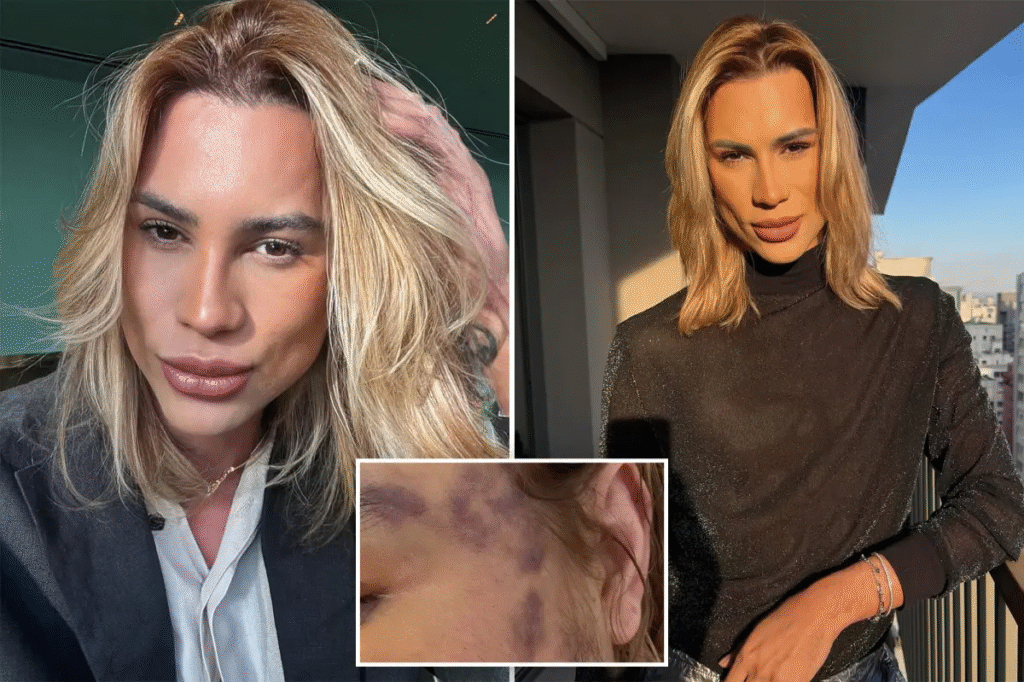
Photographs shared during the interview revealed extensive facial inflammation, prompting Dutra to seek ongoing dermatological care and hospital visits. He described the ordeal as unexpectedly debilitating, stating he never anticipated such a downturn. Garbi has vehemently denied any causal link between the surgery and Dutra’s death, with his legal team labeling the claims as unfounded in statements to outlets like Portal Leo Dias. Medical records, still under review, will be crucial in clarifying the sequence of events.
Complications from “fox eyes” procedures are not isolated to Dutra’s experience. The technique’s reliance on threads or incisions near sensitive ocular structures heightens risks of bacterial entry, leading to cellulitis or abscesses if not managed promptly. In Brazil, where cosmetic tourism and social media endorsements fuel a multibillion-dollar market, unlicensed practitioners exacerbate these dangers.
Dutra’s situation underscores the need for thorough pre-op consultations, sterile protocols, and post-care monitoring. As the procedure gains viral traction—spurred by celebrity adopters—regulatory bodies are urged to enforce stricter credentialing for performers. Dutra’s public recounting of his symptoms, including fever and vision impairment, serves as a stark reminder that aesthetic pursuits must prioritize safety over trends.
Legal Fallout and Broader Implications for Influencer Health
Prior to his passing, Dutra took decisive action against perceived malpractice, filing a criminal complaint with São Paulo’s 15th Police District. The suit accused Garbi of fraud, illegal medical practice, and five additional offenses, backed by documentation of his deteriorating condition. Legal filings obtained by Brazilian media detailed Dutra’s claims of deceptive assurances and substandard care, which allegedly accelerated his health spiral. Authorities have yet to issue formal charges, but the investigation remains active, with Souza voicing a collective demand for accountability: “What we want now is justice.” Garbi’s representatives maintain his innocence, asserting the infection was coincidental and unrelated to the March intervention.
This tragedy amplifies longstanding concerns over the influencer-driven normalization of high-risk cosmetics. Brazil leads globally in plastic surgery volume, yet oversight lags, allowing dentists and non-specialists like Garbi to venture into facial aesthetics without full qualifications. Dutra’s case echoes prior incidents where social media stars suffered permanent harm or fatalities from similar enhancements, fueling advocacy for mandatory disclosures in promotions. Health organizations now stress vetting providers through boards like the Brazilian Society of Plastic Surgery and insisting on transparent risk discussions.
The ripple effects extend to Dutra’s circle and followers, who have mobilized online memorials and petitions for industry reform. Souza highlighted Dutra’s unfulfilled aspirations—reuniting with family, international travel, and expanding his brand—emphasizing the human cost. As investigations unfold, this event could catalyze policy shifts, including bans on unqualified performers and enhanced post-op support mandates. For influencers, it serves as a sobering call to balance visibility with vulnerability, ensuring personal well-being isn’t sacrificed at the altar of likes. Dutra’s story, though tragic, may ultimately safeguard others by exposing the shadows behind the filters.
You must participate in a contest for probably the greatest blogs on the web. I will recommend this web site!