

The night of September 19, 2025, started like so many others for three young women from the hardscrabble streets of La Tablada, a gritty neighborhood on the southwestern edge of Buenos Aires. Brenda del Castillo, 20, and her cousin Morena Verdi, also 20, had been navigating the shadows of sex work in the nearby Flores district, scraping by in a world that offered few breaks. Their friend Lara Gutiérrez, just 15 and full of the quiet dreams that come with youth, tagged along that evening, drawn by the promise of easy money and a night away from the grind of poverty.
What they stepped into instead was a nightmare engineered by a drug gang, one that ended in hours of torture, rape, and murder—all captured in a chilling livestream on Instagram for a private audience of 45 gang members. This wasn’t random cruelty; it was a calculated message, broadcast to enforce loyalty and punish betrayal in Argentina’s burgeoning narco underworld. As the details pour out from the investigation, the story lays bare the raw intersection of desperation, power, and the digital age’s dark underbelly, leaving a nation grappling with grief and fury.
The trap was set with cold precision. The women were approached at a bustling traffic circle in La Tablada, where the hum of daily life masks the undercurrents of danger. A van pulled up, its driver flashing smiles and a wad of cash—$300, they said, for attending a “sex party” in a house on the outskirts. It sounded like a quick score, the kind that could cover rent or buy a little breathing room.
But the destination was no party spot; it was a rundown property in Florencio Varela, a southern suburb riddled with ties to cocaine routes snaking toward Europe. There, waiting in the dim confines of what police would later dub a “house of horrors,” was a Peruvian-born drug lord and his enforcers, seething over the alleged theft of four kilograms of cocaine. Investigators believe the real target might have been Lara’s sister, not the girls themselves, but in the gang’s twisted logic, innocence was irrelevant. The victims were proxies in a vendetta, their lives forfeit to send a signal.
Once inside, the horror unfolded in waves of escalating brutality. The livestream, confined to a closed Instagram group, rolled for hours, the camera’s unblinking eye capturing every scream and plea. Morena Verdi suffered the worst disfigurements: her five left fingers severed with crude tools, her nails ripped out one by one in a frantic bid for confessions that never came, and her ear sliced off as a grotesque trophy. Brenda del Castillo, fighting with the ferocity of someone who knew the streets too well, was stabbed repeatedly in the chest and abdomen, her body left splayed open like a warning carved in flesh.
Read : Capturing the World: Top Ten Countries with the Most Instagram Users
Lara, the youngest and most vulnerable, endured beatings that shattered her slight frame, attempts at suffocation that left her gasping, and sexual assaults that stripped away any illusion of mercy. Through it all, the gang leader’s voice cut through the feed like a blade: “This is what happens to those who steal drugs from me.” It wasn’t bravado for the world; it was theater for his own ranks, a digital guillotine meant to cow subordinates into silence and obedience. The 45 viewers—fellow traffickers—watched in real time, their inaction a silent complicity that chills even more than the acts themselves. By dawn, the women were dead, their bodies hastily dismembered and dumped in a shallow well in the backyard, the earth barely concealing the evidence of their final moments.
The Discovery and Immediate Aftermath
Five days of torment stretched into an eternity for the families left behind. Brenda del Castillo and Morena Verdi’s relatives scoured the streets of La Matanza, plastering flyers on lampposts and begging for tips from anyone who might have seen the van. Lara’s mother, her voice cracking in interviews, described the girl’s bright eyes and her habit of humming old tango tunes while doing homework—innocent fragments now shattered forever. The breakthrough came on September 24, when a whispered tip from within the gang’s fractured network led police to the Florencio Varela house.
What they found defied the stomach of even seasoned officers: blood-soaked floors, scattered tools caked in gore, and in the overgrown yard, a makeshift grave where the air hung heavy with the scent of decay. The bodies were exhumed in pieces—limbs tangled, torsos mutilated—autopsies painting a forensic portrait of prolonged agony that would haunt the reports for months. Identification was a fresh wound for the loved ones. Leonel del Castillo, Brenda’s father, arrived at the scene only to turn away, unable to face the unrecognizable remains of his daughter.
Read : Newborn Dies After Home Birth with Birthing Pool Rented from Instagram Influencer Emily Lal
“They took everything from her,” he later told reporters, his words heavy with a father’s helplessness. Morena Verdi’s mother confirmed the cousins’ line of work to investigators, not with shame but with a fierce defense of their right to survive in a system that offered no alternatives. Lara’s family, clustered under the relentless sun as neighbors formed a human shield around them, remembered her as the kid who dreamed of college, not the streets. Forensic teams sifted through the debris, recovering phone fragments with traces of the Instagram feed and bloodied rags that matched the victims’ clothing.
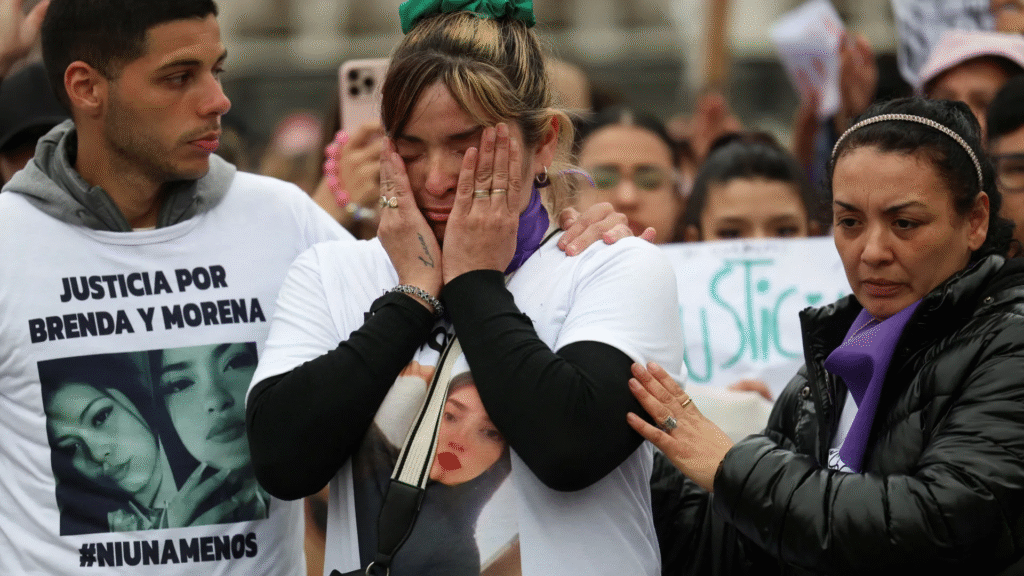
Digital sleuths, meanwhile, pored over server logs, chasing the ghosts of those 45 accounts. Justice moved with uncharacteristic speed in the wake of such revulsion. Raids swept through Buenos Aires suburbs that same week, netting four low-level enforcers—men with gang tattoos snaking up their arms and alibis as flimsy as tissue. Charged with triple homicide, aggravated torture, rape, and concealment of evidence, they sit in a provincial jail, their silence bought by fear of the boss still roaming free.
That Peruvian kingpin, his face blurred in wanted posters, has vanished into the ether, prompting an Interpol red notice and whispers of boltholes across the border. Prosecutor Eduardo Arribas, a steely figure in the Buenos Aires judiciary, huddled with the families on September 26, promising not just arrests but a dismantling of the network. “This wasn’t isolated,” he said. “It was a cog in a machine that’s devouring our youth.” Vigils sprang up overnight in La Tablada, flickering candles forming a sea of light under the stars, where mourners murmured the victims’ names like a prayer against the encroaching dark.
Public Outrage and Broader Implications
By September 27, the private grief had erupted into public inferno. Thousands converged on Buenos Aires’ streets, a human tide marching from the Plaza de Mayo to the Congress steps, banners aloft with “Lara, Brenda, Morena” scrawled in bold red. Feminist groups orchestrated the surge, drums pounding a rhythm of rage that echoed off the neoclassical facades. “Narco-femicide kills!” the chants rose, mingling with sobs from family members at the vanguard.
Antonio del Castillo, grandfather to Brenda del Castillo and Morena Verdi, gripped a photo of the cousins, his voice breaking as he vowed, “They destroyed the bodies, but they can’t destroy our fight.” Leonel joined him, his call for protection—”Women must be shielded more than ever”—drawing roars from the crowd. It was a mosaic of fury: mothers clutching rosaries, students waving purple flags, survivors of past violence linking arms in solidarity. Over 200 femicides a year in Argentina, they shouted, but this one—livestreamed, commodified—crossed into something profane, demanding not just reform but revolution.
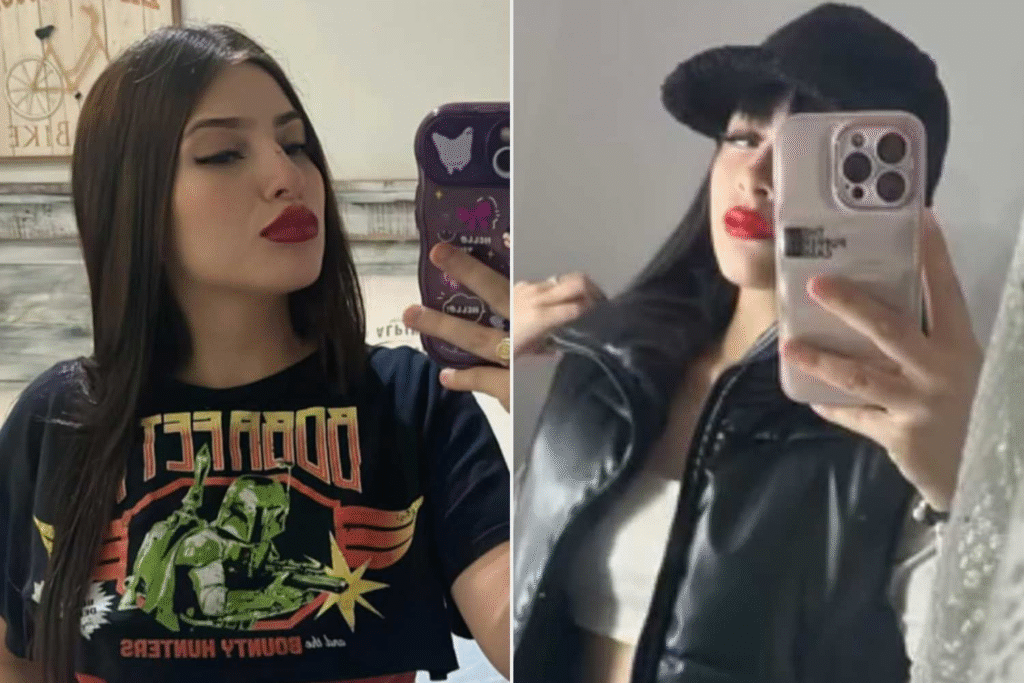
The ripples extend far beyond the protests, exposing fractures in a society long complacent about its narco shadows. Argentina’s cocaine boom, once a footnote to Andean suppliers, has morphed Buenos Aires into a narcocity, with urban gangs adopting Mexican-style savagery. Children like Lara, once off-limits, now serve as pawns in the power plays, their deaths a grim evolution. Social media, that double-edged sword of connection, has become the cartel’s megaphone, turning platforms into portholes of terror.
The 45 silent watchers in that feed aren’t anomalies; they’re the ecosystem, complicit in a culture where likes and lives blur. Security Minister Javier Alonso decried it as a “disciplinary broadcast,” but his words ring hollow against critics who point to gutted social programs—community centers in La Matanza shuttered by budget cuts, leaving kids like these with nowhere to turn but the corners.
As the funerals wrapped on September 26—Brenda del Castillo and Morena Verdi side by side in Las Praderas cemetery, Lara in the quieter grounds of González Catán—the burials felt less like endings and more like indictments. Families, flanked by prosecutors, pushed for escalated charges: crimes against humanity, perhaps, to match the inhumanity. Globally, the case echoes Mexico’s cartel feeds, spurring calls for tech giants to harden their algorithms against such venom.
In Argentina, it’s reignited the femicide debate, with lawmakers floating bills for narco-specific penalties and mandatory youth interventions. Those 45 empty chairs in the Instagram void linger as the true specter—faceless enablers in a machine that grinds on. But in the streets, amid the chants and tears, a spark endures: the unyielding demand that no more names join that banner. Lara, Brenda del Castillo, Morena Verdi—they’re not footnotes; they’re the fire now burning toward change. The gang’s message was fear; the people’s is defiance. And in a city built on resilience, that might just be the deadliest reply.
j685j9