
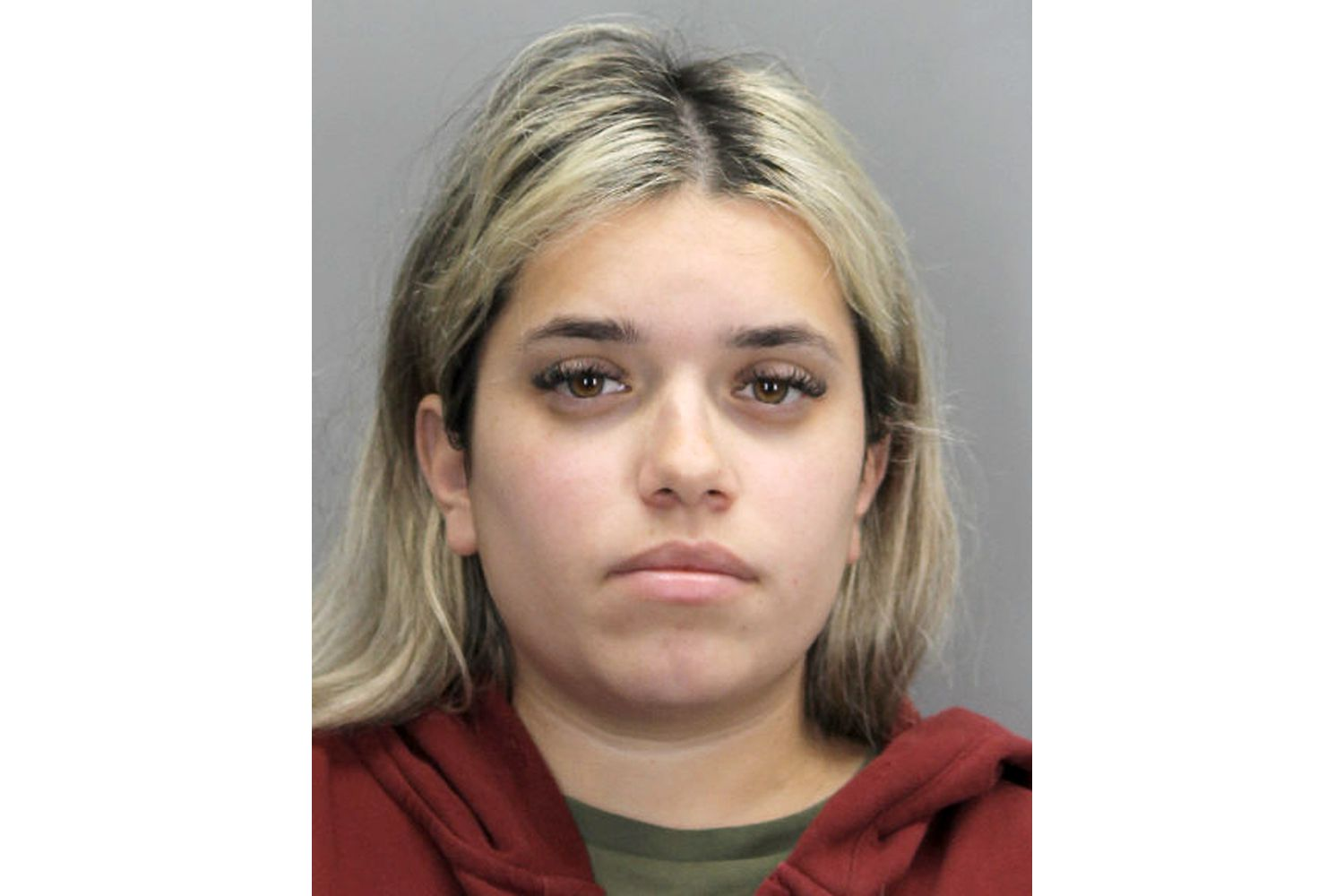
The case against Brendan Banfield has drawn sustained national attention for its disturbing allegations, conflicting investigative theories, and the involvement of multiple victims within a single household. Banfield, a Virginia resident, is scheduled to stand trial on charges of aggravated murder related to the February 2023 deaths of his wife, Christine Banfield, and Joseph Ryan at the family’s home in northern Virginia.
Prosecutors allege that the killings were the result of a carefully constructed plan involving Banfield and the family’s au pair, Juliana Peres Magalhães, with whom Banfield was engaged in a romantic relationship. The case has since evolved into a complex legal battle marked by plea agreements, internal disputes among investigators, and sharply opposing narratives about what occurred inside the Banfield home.
The Killings and the Prosecution’s Theory
Christine Banfield and Joseph Ryan were found dead on the morning of February 24, 2023, inside the Banfield residence. According to the initial account given to authorities, Brendan Banfield and Juliana Peres Magalhães told police that Ryan was an unknown intruder who had entered the home and fatally stabbed Christine Banfield. They claimed that both of them then shot Ryan in what they described as an act of self-defense. This explanation formed the basis of early investigative steps and public understanding of the incident.
Prosecutors later rejected that version of events, advancing a far more elaborate theory. They contend that Banfield and Magalhães orchestrated a scheme to lure Ryan to the home and stage the scene to resemble a justified killing. Central to this theory is the assertion that the pair used deception to bring Ryan to the house under false pretenses, then killed both Ryan and Christine Banfield in a calculated attempt to eliminate Christine and frame Ryan as a violent sexual predator.
According to court records and statements presented by the prosecution, Banfield and Magalhães allegedly created a social media account in Christine Banfield’s name on a platform catering to individuals interested in sexual fetishes. Through this account, they purportedly communicated with Ryan and arranged a meeting for the morning of the killings. Authorities say the planned encounter was supposed to involve sexual activity and the use of a knife, a detail prosecutors argue was intended to support the narrative of Ryan as an aggressor.
The prosecution maintains that this fabricated online persona was instrumental in drawing Ryan to the home and laying the groundwork for the staged self-defense scenario. Prosecutor Eric Clingan has described the case as one that initially generated numerous competing theories but eventually converged on what he characterized as a single, cohesive explanation supported by Magalhães’ later cooperation with authorities. He has said her statements helped investigators solidify their understanding of how the events were allegedly planned and executed.
Read : Lapland Magic: A Winter Wonderland in Northern Finland
Both Banfield and Magalhães were arrested between 2023 and 2024 and initially faced murder charges. The state’s case intensified after Magalhães agreed to plead guilty to a reduced manslaughter charge in 2024. As part of that agreement, she provided a statement to investigators confirming key elements of the prosecution’s theory, including the existence of the fabricated social media account and the plan to meet Ryan under false pretenses. Her plea marked a turning point, narrowing the focus of the case as it moved closer to trial.
The Affair, the Au Pair, and the Evidence at the Center of the Case
The relationship between Brendan Banfield and Juliana Peres Magalhães has been presented by prosecutors as a critical motive behind the alleged crimes. Investigators have stated that the romantic affair began in the year preceding the killings and created tensions within the household. The prosecution argues that this relationship not only provided motive but also facilitated the planning and execution of the alleged scheme, with Magalhães playing an active role rather than acting under duress or coercion.
One of the most striking pieces of evidence introduced by authorities is a photograph recovered from Banfield’s bedroom, showing a framed image of Banfield and Magalhães placed on his bedside table. The image, later released by the Fairfax County Police Department as part of the evidentiary record, has been cited by prosecutors as an illustration of the closeness of their relationship and as circumstantial support for the assertion that the affair was significant and ongoing.
Magalhães’ post-arrest statement has become a cornerstone of the state’s case. In it, she described the creation and use of the social media account in Christine Banfield’s name, detailing how communications with Ryan unfolded and how the planned meeting was arranged. Authorities have relied heavily on this account to explain the presence of Ryan in the home and to argue that his death was not the result of a spontaneous confrontation but rather the culmination of a deliberate plan.
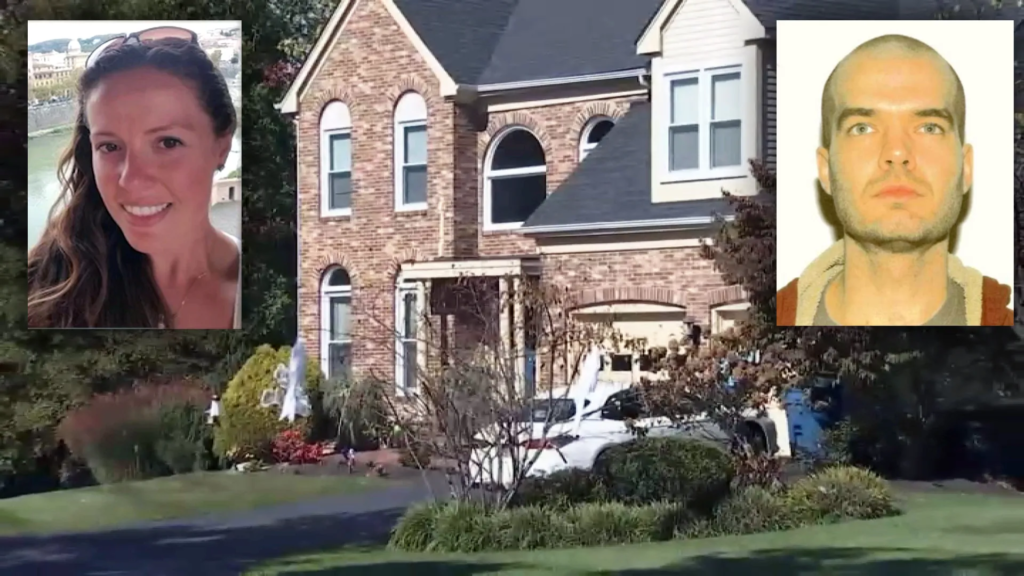
However, the evidence has not gone unchallenged. Defense attorneys have pointed to inconsistencies and internal disagreements among investigators, particularly regarding the digital forensic evidence tied to the social media account. Brendan Miller, a former digital forensic examiner with the Fairfax County Police Department, testified that his analysis of numerous devices led him to conclude that Christine Banfield herself had communicated with Ryan through the platform, rather than the account being fabricated by Banfield and Magalhães.
Miller’s findings were not isolated. An evidence analysis team at the University of Alabama reportedly peer-reviewed and affirmed his conclusions, according to materials submitted to the court. This external review has become a key component of the defense’s argument that the prosecution’s catfishing theory is flawed and unsupported by the available digital evidence.
The defense has also drawn attention to Miller’s subsequent transfer out of the department’s digital forensics unit in late 2024. While a former Fairfax County commander testified that the reassignment was neither punitive nor disciplinary, Banfield’s attorney, John Carroll, has argued that the move was directly connected to Miller’s conclusions in the case. Carroll has further alleged that the lead detective was reassigned after challenging the catfishing theory favored by senior officials.
These claims have fueled accusations that investigators ignored or sidelined evidence that contradicted the prosecution’s narrative. Carroll has described the state’s case as a theory developed first and then supported selectively, rather than a conclusion reached organically through the facts. The defense maintains that such investigative decisions raise serious questions about the integrity and objectivity of the inquiry.
Legal Stakes and the Trial Ahead
As Brendan Banfield prepares to stand trial, the legal stakes are substantial. He faces charges of aggravated murder for the deaths of both Christine Banfield and Joseph Ryan, accusations that carry the possibility of severe penalties if he is convicted. In addition to the homicide charges, Banfield is also charged with child abuse and felony child cruelty, stemming from the fact that his young daughter was present in the house at the time of the killings. Prosecutors have said these charges will be tried alongside the murder counts.

Banfield has pleaded not guilty to all charges, and his defense team has indicated it will aggressively contest the prosecution’s narrative. Central to their strategy is the challenge to the catfishing theory and the credibility of Magalhães’ statements, particularly in light of her plea agreement and the incentives it may have created for her cooperation. The defense is expected to argue that her account was shaped by pressure to reduce her own legal exposure rather than by an objective recounting of events.
The trial is also likely to scrutinize the investigative process itself, including the handling of digital forensic evidence and the internal disagreements among law enforcement officials. Testimony from experts, former investigators, and external analysts is expected to play a significant role as jurors are asked to weigh competing interpretations of complex technical data.
For prosecutors, the challenge will be to present a coherent and convincing narrative that reconciles Magalhães’ statements with the physical and digital evidence, while addressing the defense’s claims of investigative bias. They are expected to emphasize the plea agreement as corroboration rather than coercion, portraying Magalhães as a participant who ultimately chose to disclose the truth.
Beyond the courtroom, the case has resonated because of its unsettling elements: the alleged betrayal within a family, the involvement of a caregiver entrusted with a child’s well-being, and the suggestion of an intricate plan to disguise murder as self-defense. It has also highlighted broader issues about the reliability of digital evidence, the pressures faced by investigators in high-profile cases, and the ways in which competing theories can shape the course of an investigation.
As the trial begins, jurors will be tasked with navigating a dense web of testimony, forensic analysis, and emotional context. Their verdict will not only determine Brendan Banfield’s legal fate but also serve as a definitive judgment on which of the sharply divided narratives most accurately reflects what happened inside the Banfield home on that February morning.