
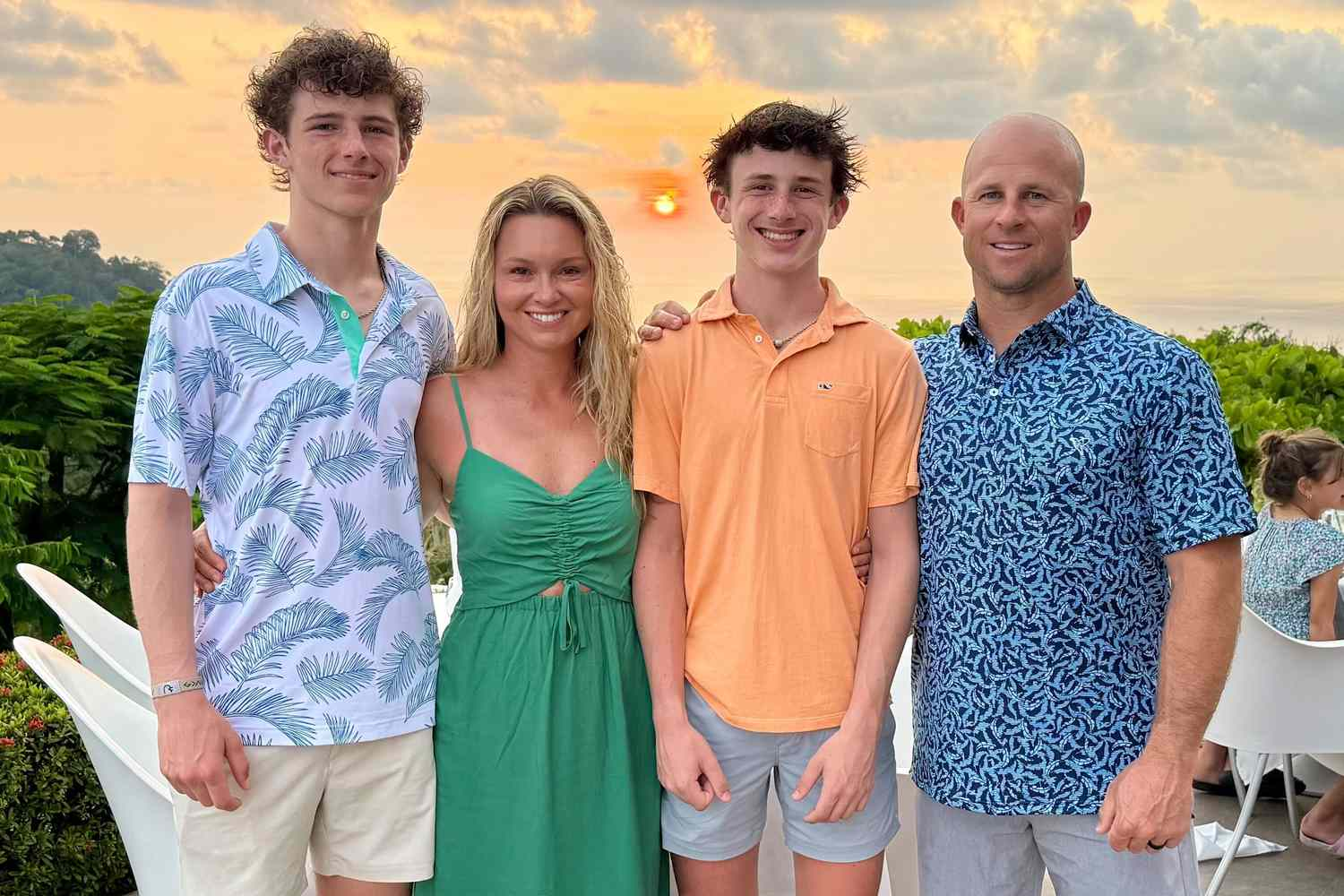
The tragic death of 14-year-old Miller Gardner during a family vacation in Costa Rica has led to a significant legal battle that now extends into the United States. Former professional baseball player Brett Gardner, known for his long tenure with the New York Yankees, has filed a federal lawsuit alleging negligence and wrongful death against the owners and operators of the resort where the incident occurred.
The case centers on claims that carbon monoxide exposure inside the family’s room caused Miller’s death and affected other family members, raising serious concerns about safety standards and accountability in hospitality environments. As investigations continue in Costa Rica, the lawsuit introduces a new phase in the pursuit of answers and responsibility.
Allegations of Negligence and Unsafe Conditions
The lawsuit filed in federal court outlines a detailed account of the circumstances surrounding Miller Gardner’s death. According to the complaint, the Gardner family was staying in a room adjacent to a machine room within the resort property. It is alleged that this machine room was not properly ventilated, allowing carbon monoxide gas to seep into the occupied living space. Carbon monoxide is a colorless and odorless gas, making it particularly dangerous because exposure often goes undetected until symptoms become severe or fatal.
The legal filing claims that the resort operators failed to maintain safe conditions, specifically by not ensuring proper ventilation systems and by allowing hazardous gas to infiltrate guest accommodations. The presence of such a risk, especially in an area meant for lodging, forms the core of the negligence claim. The lawsuit argues that the defendants either knew or should have known about the dangers posed by the proximity of the machine room and failed to take adequate measures to prevent harm.
In addition to the fatal consequences suffered by Miller, the complaint notes that other members of the Gardner family, including Brett Gardner himself, were also affected by the exposure. This aspect strengthens the argument that the incident was not isolated but rather indicative of a broader safety failure within the resort’s infrastructure.
Read : Black Panther Cub Seen Sitting with Its Leopard Mother in Rare Sighting at Pench Tiger Reserve
The defendants named in the lawsuit include individuals and entities associated with the ownership and management of the property. The inclusion of these parties reflects the legal strategy of holding all potentially responsible actors accountable, from operational oversight to investment-level involvement. The lawsuit seeks damages for wrongful death as well as compensation for injuries and suffering experienced by surviving family members.
Findings from Costa Rican Authorities and Ongoing Investigation
Costa Rican authorities conducted an investigation into the circumstances of Miller Gardner’s death and concluded that carbon monoxide poisoning was the cause. A key piece of evidence cited in their findings was the level of carboxyhemoglobin found in Miller’s blood, measured at 64 percent. This level significantly exceeds what is generally considered fatal, underscoring the severity of the exposure.
Read : 55-Year-Old Skier Dies After Crash at Breckenridge Ski Resort
Carboxyhemoglobin forms when carbon monoxide binds to hemoglobin in the blood, reducing the body’s ability to transport oxygen. At high concentrations, it can quickly lead to unconsciousness and death. The recorded level in this case suggests prolonged or intense exposure, further raising questions about how such conditions were allowed to develop within a guest room.
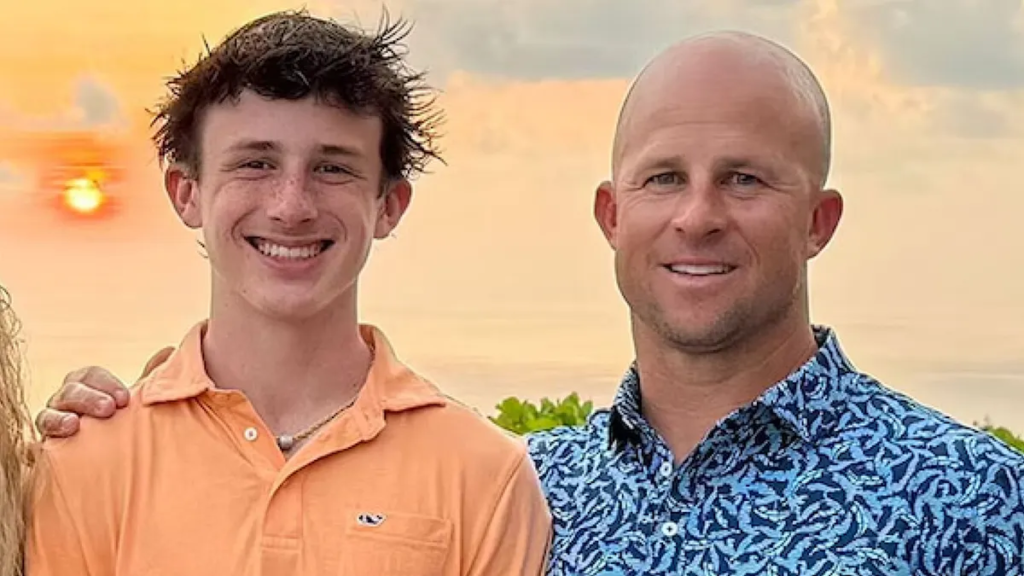
Investigators identified the adjacent machine room as a possible source of the contamination. During inspections, authorities detected carbon monoxide in the Gardner family’s room, supporting the theory that the gas had infiltrated the living space. These findings have been central to both the criminal and civil aspects of the case.
The investigation in Costa Rica has remained active, with authorities continuing to gather evidence and assess potential criminal liability. In September, officials conducted a second raid at the resort, indicating that the case had not been closed and that further examination was necessary. Prosecutors have explored whether the circumstances could rise to the level of negligent homicide, although no formal charges had been filed at the time of the latest updates.
This ongoing investigation highlights the complexity of the case, as it involves both technical assessments of environmental safety and legal determinations regarding responsibility. The dual track of inquiry—criminal in Costa Rica and civil in the United States—illustrates how such incidents can span jurisdictions and legal systems.
Legal Implications and Broader Safety Concerns
The decision to file the lawsuit in U.S. federal court represents a significant development in the case. By bringing the matter into the American legal system, the Gardner family is seeking a forum that may offer broader discovery mechanisms and the potential for substantial damages. This move also reflects the international nature of modern travel, where incidents occurring abroad can have legal repercussions in a traveler’s home country.
Read : 8-Year-Old Skier Injured After Being Struck by Adult Snowboarder at Winter Park Resort
The lawsuit raises broader questions about safety standards in hotels and resorts, particularly those located in popular tourist destinations. Carbon monoxide incidents, while relatively rare, are often preventable with proper maintenance, ventilation, and detection systems. The absence or failure of these safeguards can have catastrophic consequences, as demonstrated in this case.
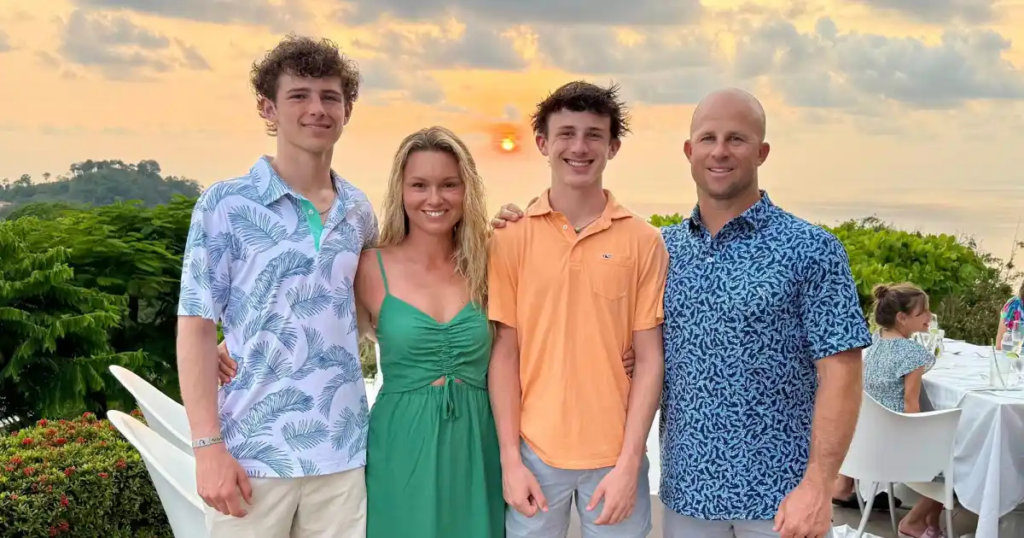
For the hospitality industry, the situation underscores the importance of adhering to rigorous safety protocols and regularly inspecting facilities to identify potential hazards. Machine rooms, generators, and other equipment capable of emitting carbon monoxide must be carefully managed to ensure that gas does not accumulate or spread into guest areas. The installation of carbon monoxide detectors is widely regarded as a critical safety measure, providing an early warning that can save lives.
The case also highlights the challenges faced by families seeking justice after incidents that occur in foreign countries. Differences in legal systems, investigative procedures, and standards of evidence can complicate the process. By pursuing a civil case in the United States, the Gardner family is attempting to navigate these challenges while holding the responsible parties accountable.
Beyond the legal aspects, the tragedy has drawn attention due to Brett Gardner’s public profile and long career in professional baseball. His association with a well-known sports franchise has brought increased visibility to the case, potentially influencing public awareness and discourse حول safety in travel accommodations. However, at its core, the case remains a deeply personal and devastating loss for the family.
As the lawsuit proceeds and the investigation in Costa Rica continues, the outcome may have implications not only for the parties involved but also for industry practices and regulatory oversight. Cases like this often serve as catalysts for change, prompting reviews of safety standards and encouraging stricter enforcement measures.
The legal process is expected to unfold over an extended period, with both sides presenting evidence and arguments regarding the circumstances of the incident. The resolution of the case will depend on the ability to establish liability and demonstrate the extent of negligence, if any, on the part of the defendants. In the meantime, the tragedy stands as a stark reminder of the importance of vigilance and accountability in environments where safety cannot be taken for granted.