

The fatal shooting of an elderly woman in Fairbanks, Alaska, has drawn national attention after authorities charged her grandson, 29-year-old Brian Davenport, with first-degree murder. According to court records and police statements, Davenport admitted to killing his 87-year-old grandmother, Velma Koontz, while she was seated in her wheelchair inside her home.
Investigators say Davenport told officers he believed he was sparing her from worry and likened the killing to “pulling the plug,” despite acknowledging that he knew killing was wrong. The case has raised disturbing questions about motive, mental state, and the circumstances surrounding the death of a woman who was reportedly under hospice care. The shooting occurred at the Koontz family home in Fairbanks, where Velma Koontz lived with her husband, Keith.
Police say she was found with a gunshot wound to the back of the head, a detail that has underscored the severity of the charge filed against Davenport. As the case moves through the Alaska court system, prosecutors, family members, and the public are grappling with a narrative that blends elements of alleged premeditation, family violence, and statements by the accused that attempt to frame the killing as an act of mercy.
Details of the Killing and Police Response
Fairbanks police officers were dispatched to the home in the 1000 block of 22nd Avenue at approximately 3:45 p.m. on Tuesday after receiving a call from Keith Koontz, the victim’s husband. According to police accounts, he told dispatchers that he had gone to the store and returned to find his handgun outside the residence and his wife dead inside, seated in her wheelchair. Officers arriving at the scene confirmed that Velma Koontz had been shot and was deceased.
Police soon made contact with her grandson, Brian Davenport, who was at or near the residence. In a police news release, officers stated that Davenport immediately admitted to killing someone. He was taken into custody and transported to the Fairbanks Police Department for questioning. After being advised of his rights, Davenport reportedly confessed to stealing his grandfather’s handgun and using it to kill his grandmother.
Investigators allege that Davenport provided additional troubling details during questioning. According to charging documents, he told police that he had initially planned to kill someone else but changed his mind and killed his grandmother instead. Authorities have not publicly identified the other individual Davenport allegedly considered targeting, nor have they clarified the reasons for the change in plan.
Less than an hour before Velma Koontz’s body was discovered, Davenport had placed a call to 911. Court documents obtained by local media indicate that Davenport provided an address during the call but did not respond to the dispatcher’s questions. Officers later located him pacing along the side of a roadway and behaving erratically. Due to concerns about his condition, Davenport was transported to Fairbanks Memorial Hospital for evaluation before being formally taken into custody.
Read : Wish I Didn’t Top’: UP Topper Prachi Nigam’s Emotional Message to the Trolls for Her Look
Fairbanks Police Chief Ron Dupee later confirmed that detectives learned Velma Koontz had been diagnosed with cancer and was receiving hospice care. However, Dupee emphasized that investigators were still examining whether her medical condition played any role in the alleged motive for the killing. “The grandma obviously had some health issues,” Dupee said, according to AlaskaNewsSource. “Whether that was the motivation behind the killing, we don’t know.”
Statements Attributed to Davenport and Alleged Motive
According to police reports and court filings, Davenport told investigators that he wanted his grandmother to die “peacefully” and that he “didn’t want her to worry about the legacy she left behind.” He allegedly compared his actions to “pulling the plug on a person,” a statement that has drawn sharp scrutiny given that assisted suicide and euthanasia are illegal in Alaska.
Investigators say Davenport acknowledged that he knew killing someone was wrong, but nevertheless framed the shooting as an act meant to relieve his grandmother of worry or suffering. Authorities have not indicated that Velma Koontz asked to be killed or expressed any desire for her life to end. No evidence has been presented suggesting consent on her part, a factor that is legally significant and central to the first-degree murder charge.
The charging documents also reference Davenport’s mental and emotional state at the time of the killing. His erratic behavior, the unexplained 911 call, and his statements to police have all been noted by investigators as they build their case. However, no formal mental health diagnosis has been made public, and prosecutors have not indicated whether mental illness will factor into the legal proceedings.
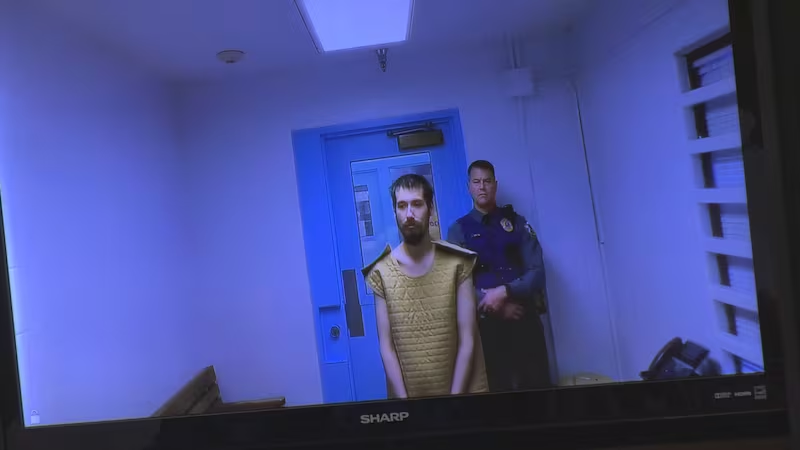
Family members have expressed alarm at Davenport’s past behavior. During a court appearance conducted via livestream at the Fairbanks Courthouse, the victim’s son, George Koontz, addressed the judge and urged the court not to release Davenport on bail. He cited concerns about Davenport’s history, stating that he had allegedly assaulted his mother the previous summer. “He’s a danger to the public,” George Koontz told the court. “Obviously, he assaulted his mother last summer and now my mother.”
Read : Nurse Heather Thompson Fatally Shoots Two Sons and Grandmother in Quadruple Murder-Suicide
These statements have added another layer to the case, suggesting a pattern of alleged violence within the family. Prosecutors have not yet detailed whether the prior alleged assault will be introduced as evidence, but it may influence decisions related to bail, pretrial detention, and sentencing if Davenport is convicted.
Charges, Court Proceedings, and Ongoing Investigation
Brian Davenport has been charged with one count of first-degree murder, the most serious homicide charge under Alaska law. First-degree murder typically requires proof that the defendant intentionally caused the death of another person, often with premeditation. The allegation that Davenport stole a firearm, admitted to planning to kill someone, and carried out the shooting may all factor into the prosecution’s argument that the killing was deliberate.
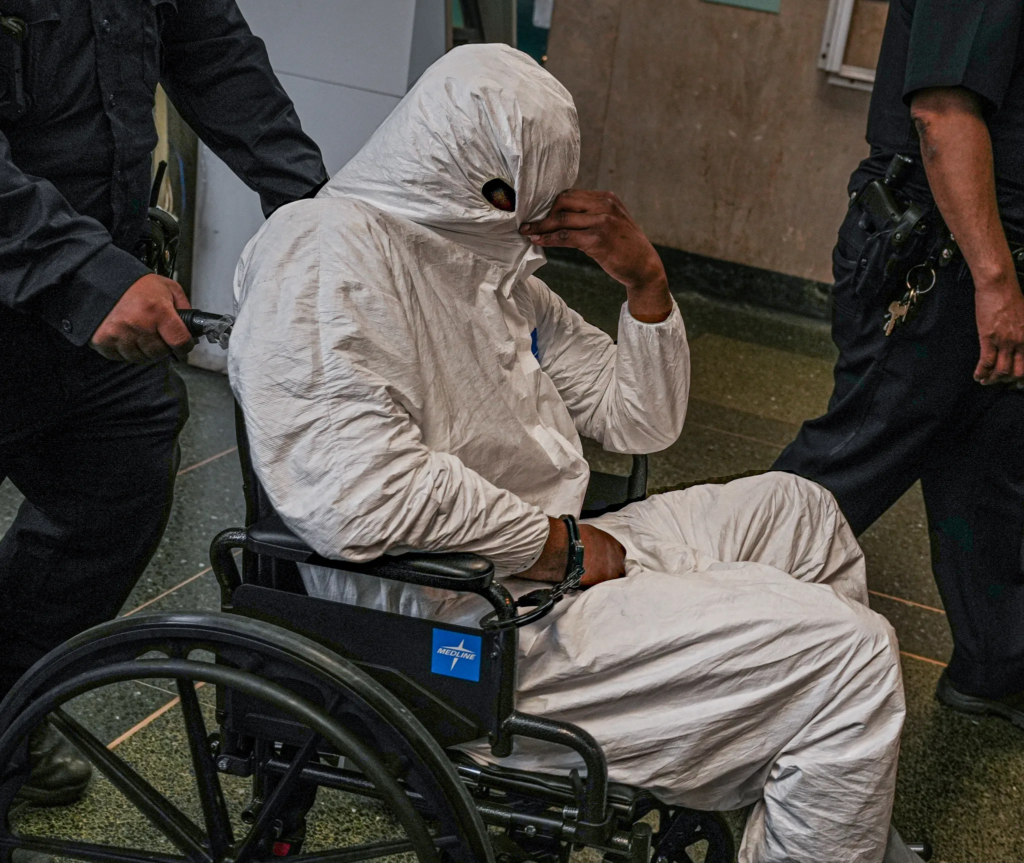
Following his arrest, Davenport was booked into the Fairbanks Correctional Center. A judge set bail at $5 million, reflecting the severity of the charge and concerns raised about public safety. He remains in custody and is scheduled to return to court on January 30, when further proceedings, including potential discussions of evidence, defense representation, and trial scheduling, are expected to take place.
The case continues to be investigated by Fairbanks police, who are working to establish a full timeline of events leading up to the shooting. Investigators are examining the circumstances surrounding Davenport’s access to the firearm, his movements on the day of the killing, and any communications he may have had with family members or others beforehand. Authorities have not disclosed whether additional charges could be filed or whether other individuals may be questioned as the investigation proceeds.
Legal experts note that Davenport’s statements comparing the killing to “pulling the plug” are unlikely to provide any legal justification under Alaska law. While hospice care focuses on comfort and quality of life for terminally ill patients, it does not authorize family members to end a patient’s life. Prosecutors are expected to argue that Velma Koontz’s medical condition, while tragic, does not mitigate the alleged criminal act.
As the legal process unfolds, the case has drawn attention to broader issues surrounding elder care, family dynamics, and the limits of individual decision-making when it comes to life and death. For now, the focus remains on the criminal proceedings against Brian Davenport and the death of Velma Koontz, whose life ended violently inside her own home.