
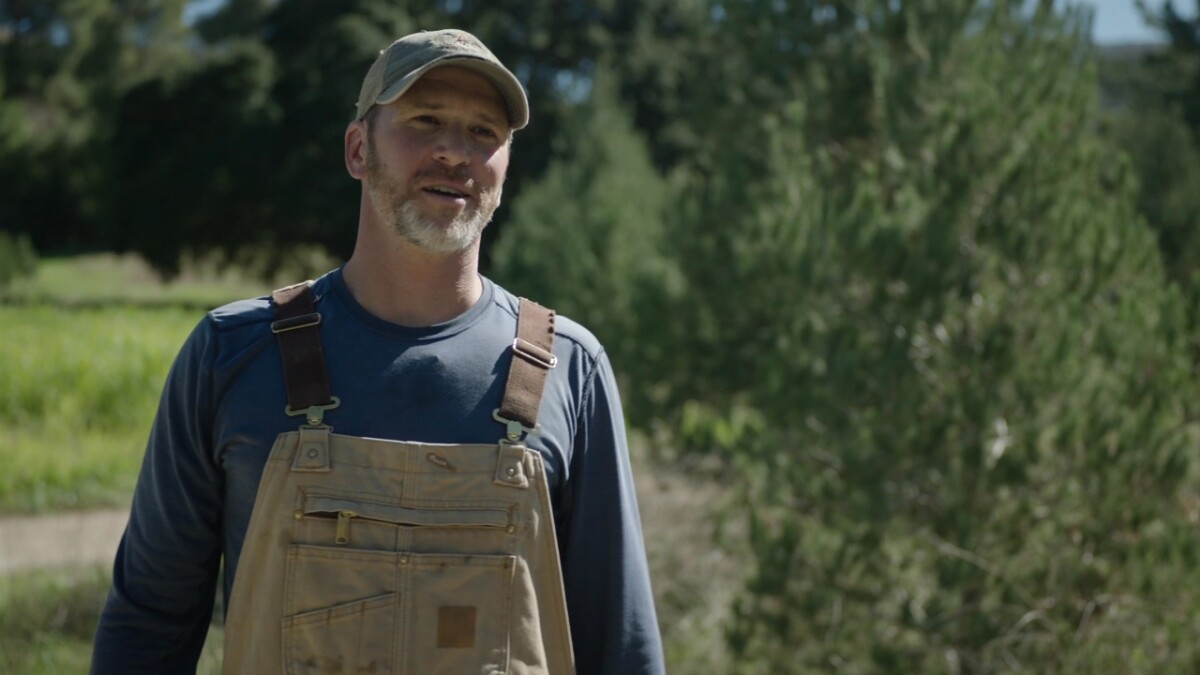
Brian Fransen is not a celebrity, professional athlete, or public figure in the traditional sense, yet his story is set to reach one of the largest television audiences in the world during the 2026 Super Bowl. A fourth-generation farmer from Coleharbor, North Dakota, Fransen has been selected to appear in a Budweiser Super Bowl commercial, placing rural American agriculture at the center of one of the most recognizable advertising platforms in global media. His inclusion reflects not only Budweiser’s branding traditions but also the enduring relationship between American farming communities and one of the country’s most iconic beer producers.
For Fransen, the experience represents far more than a brief moment on screen. It is the culmination of decades of agricultural work rooted in family tradition, a professional relationship with Budweiser built over years of barley production, and a rare opportunity for rural North Dakota to be represented on a national stage. While the Super Bowl is often associated with celebrity-driven advertising, Budweiser’s decision to feature a working farmer underscores the brand’s long-standing narrative centered on authenticity, heritage, and American labor.
The commercial, which will air during the 2026 Super Bowl, continues Budweiser’s tradition of incorporating national symbols such as Clydesdale horses and pastoral landscapes. Fransen’s appearance is woven into this imagery, aligning modern agricultural life with themes of continuity and tradition that have defined Budweiser’s advertising for generations. Though brief, his role carries symbolic weight, representing the farmers whose work underpins the beer industry and much of American food and beverage production.
A Fourth-Generation Farmer Rooted in North Dakota
Brian Fransen’s life and career are deeply embedded in the agricultural rhythms of western North Dakota. Based in Coleharbor, a small community surrounded by farmland, Fransen continues a family farming tradition that spans four generations. His work centers on crop production, with a particular focus on barley, a key ingredient in Budweiser’s brewing process. This long-standing connection between his farm and the company forms the foundation of his appearance in the Super Bowl commercial.
Farming in North Dakota is shaped by environmental challenges that demand resilience and adaptability. Short growing seasons, unpredictable weather, and fluctuating commodity markets define the realities Fransen navigates each year. His operation reflects the broader agricultural economy of the region, where family farms remain central to both local identity and national food supply chains. Fransen’s workday often involves long hours, seasonal intensity, and a reliance on generational knowledge passed down through decades.
The moment Fransen learned he would be featured in the commercial was entirely unexpected. He was sitting in his truck during harvest season, actively combining crops, when he received the call. The timing underscored the contrast between his everyday routine and the extraordinary opportunity being presented. His reaction, marked by surprise and disbelief, echoed the sentiments of many farmers who rarely see their work acknowledged outside agricultural circles.
Make Budweiser commercials great again! They absolutely nailed it with this one. Gave me chills! 🇺🇲🇺🇲🇺🇲 pic.twitter.com/31urQxPUmH
— Paratrooper Brady (@paratroopbrady) January 27, 2026
Despite the visibility that comes with a Super Bowl advertisement, Fransen has been clear that his priorities remain unchanged. Farming, rather than media attention, continues to define his professional identity. His story resonates precisely because it reflects the experience of countless farmers whose labor is essential but often unseen. In featuring Fransen, Budweiser brings that labor into focus, even if only for a few seconds during one of the most-watched broadcasts of the year.
The Budweiser Barley Connection and a 150-Year Tribute
Fransen’s appearance in the 2026 Super Bowl commercial is closely tied to Budweiser’s milestone anniversary. As the company marks its 150th year, its marketing strategy has emphasized heritage, continuity, and the people behind its products. According to Budweiser’s head of marketing, including farmers like Fransen is a way of expressing gratitude to those who have contributed to the brand’s longevity through generations of agricultural partnership.
Read : 85-Year-Old Andrew Farmer Dies After Assault by Fellow Patient at Charing Cross Hospital
Budweiser has long highlighted its relationships with American farmers, particularly those who grow barley under contract for the company. These growers play a critical role in maintaining consistency and quality across Budweiser’s brewing operations. Fransen’s family has been part of this supply chain for years, producing barley that ultimately becomes part of a globally recognized product. His participation in the commercial serves as a symbolic acknowledgment of that contribution.
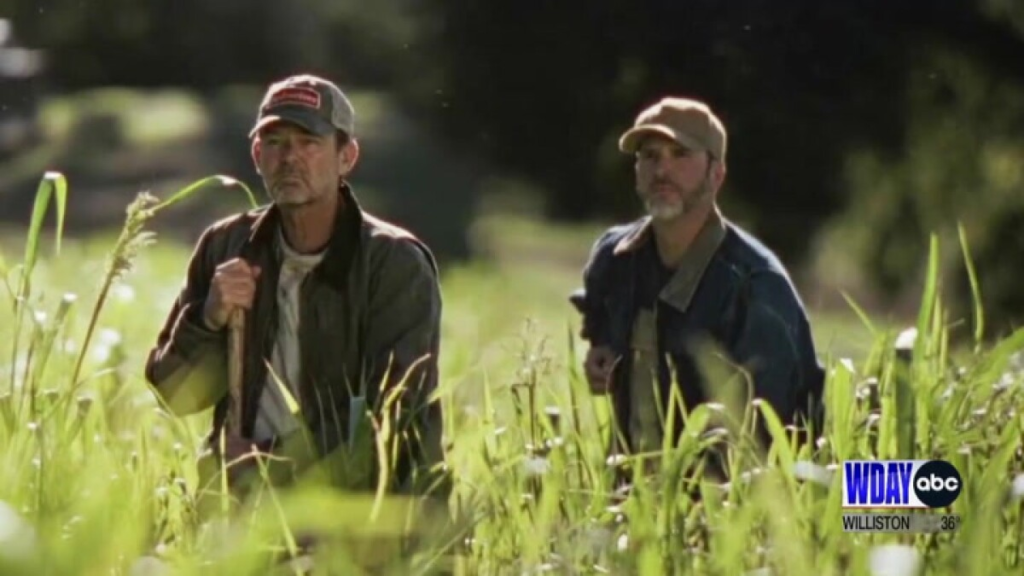
The visual language of Budweiser advertising has historically relied on familiar national imagery. Clydesdale horses, expansive farmland, and references to American landscapes have become synonymous with the brand’s identity. In this context, Fransen’s presence alongside icons such as a bald eagle and the Clydesdales reinforces the connection between agriculture and national symbolism. The imagery positions the farmer not as a background figure, but as an integral part of the narrative.
From a marketing perspective, the decision reflects a broader trend toward authenticity in advertising. Rather than relying solely on actors or scripted representations, Budweiser has chosen to feature a real farmer whose livelihood is directly connected to the product. This approach aligns with consumer preferences for transparency and real-world stories, particularly in industries tied to food and agriculture. Fransen’s inclusion lends credibility to the message Budweiser aims to convey during a landmark anniversary year.
From the Fields of Coleharbor to the Super Bowl Stage
Filming the commercial required Fransen to step temporarily outside his familiar environment. Budweiser flew him to Los Angeles, where production took place under conditions far removed from the fields of North Dakota. For a farmer accustomed to open landscapes and seasonal routines, the experience offered a glimpse into the scale and complexity of national advertising production. Despite this contrast, Fransen approached the opportunity with the same grounded perspective that characterizes his farming career.
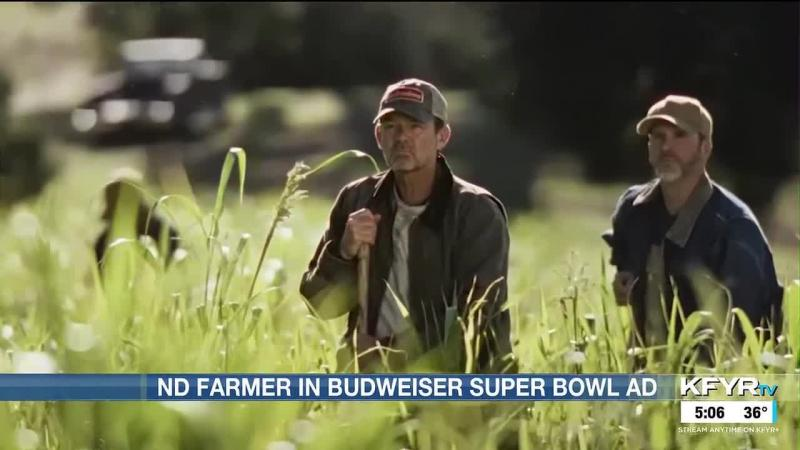
The Super Bowl represents one of the most competitive advertising spaces in the world, with companies investing millions of dollars for seconds of airtime. Being selected to appear in such a commercial places Fransen in a rare position, particularly for someone without a background in media or entertainment. Yet his role remains understated, reflecting Budweiser’s emphasis on authenticity rather than spectacle.
Fransen has described the experience as something he will remember for the rest of his life, recognizing that opportunities of this nature are unlikely to recur. At the same time, he has emphasized that the commercial does not signal a change in direction. Farming remains his profession and priority, and the attention surrounding the Super Bowl appearance has not altered his commitment to agricultural work.
The broader significance of Fransen’s appearance extends beyond individual recognition. For rural North Dakota, his role represents a moment of visibility in a national cultural event that rarely reflects small farming communities. The Super Bowl audience spans millions of viewers, and even a brief representation of a working farmer carries symbolic importance. It challenges urban-centric narratives and highlights the agricultural foundations that support major consumer brands.
As the 2026 Super Bowl approaches, Fransen’s story illustrates how traditional industries intersect with modern media. His journey from the barley fields of Coleharbor to a Budweiser commercial exemplifies the enduring relevance of farming in American identity. While the advertisement itself may last only seconds, the message it conveys about heritage, labor, and continuity resonates far beyond the broadcast.m