
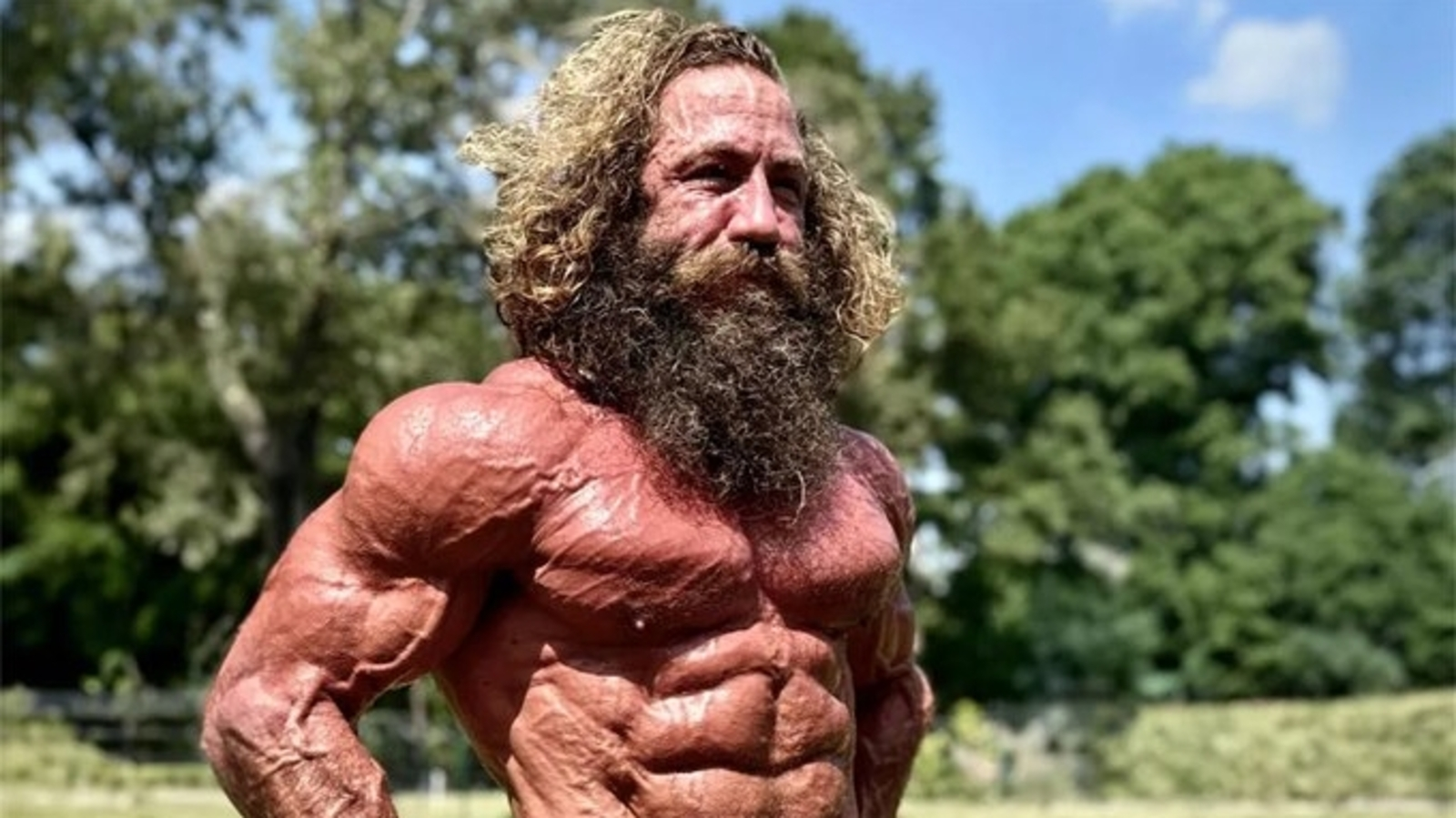
Brian “Liver King” Johnson’s return to online provocation has reignited debate over the polarizing influencer’s conduct, following the quiet dismissal of charges tied to alleged terroristic threats against podcaster and martial artist Joe Rogan. Johnson, who built a multimillion-dollar brand on exaggerated claims about ancestral living and consuming raw organs, became the center of a legal storm earlier this year after posting a series of alarming videos from Austin, Texas.
His messages — framed as aggressive challenges directed at Rogan while appearing to hold firearms — drew widespread concern and led to his arrest. Now, with the charges dropped after he completed counseling courses, Brian Michael Johnson has resumed his digital tirades with renewed intensity. The episode highlights the increasingly thin line between influencer theatrics, legal consequences, and the broader social responsibility of high-visibility online personalities.
The case involving Brian Michael Johnson and Joe Rogan emerged during a period of heightened public scrutiny for the influencer, who has been criticized extensively for misleading claims about his steroid use and wellness practices. Though once known for his dramatic raw-meat lifestyle displays and rugged persona, Johnson’s credibility took a damaging blow in 2022 when he admitted to using performance-enhancing drugs despite years of vehement denial.
His confrontation with Rogan — a public figure who openly discusses fitness, martial arts, and doping transparency — appeared to escalate those tensions. With the legal chapter now apparently closed, Brian Michael Johnson’s immediate return to provocative messaging has raised questions about whether the counseling addressed the core issues behind his earlier actions or merely served as a procedural requirement.
The Dismissed Charge and the Events Leading to Liver King’s Arrest
Johnson’s legal troubles began in June when he traveled to Austin, Rogan’s hometown, and posted a series of videos in which he aggressively challenged the podcaster to a physical fight. These videos gained additional weight because Brian Michael Johnson appeared to be holding two firearms while speaking directly into the camera, prompting viewers and authorities to interpret the messages as potential threats rather than mere bravado.
Though Brian Michael Johnson insisted his intention was to issue a challenge — not a threat — the content created sufficient alarm to justify police intervention. He was arrested on a misdemeanor charge of making a terroristic threat, a serious offense given the perceived intent and the presence of weapons. After being taken into custody, Johnson was released on a $20,000 bond and ordered to wear an ankle monitor. The judicial system proceeded cautiously, evaluating the videos not as entertainment but as potentially dangerous communications.
The seriousness with which authorities responded underscores the modern challenge of distinguishing between influencer theatrics and legitimate safety concerns. In an era where online personas often blend staged aggression with real-world behavior, law enforcement must assess risk based on the potential for harm rather than the content creator’s claimed intent. Court records confirmed that Johnson’s charge was dismissed on November 12 after he complied with a series of mandated counseling classes.
PRIMAL FASTFOOD
— Liver King (@liverking) March 10, 2024
LIVER KING'S "STEAK" & EGGS
NUT SAUSAGE: 1
FERTILIZED EGGS: 4
PREP TIME: 0
Hand caught by LK Chef Lionel.
It's what's on the menu to dominate (that, and TRT cream, of course).
Share best "raw shell-on egg" eating video to get reposted.… pic.twitter.com/SdnSrnWIht
The exact nature of these classes has not been detailed publicly, but such programs typically aim to address behavioral tendencies associated with anger management, impulse control, or communication issues that could escalate into harmful actions. For many individuals, these interventions serve as opportunities for reflection and reform. Yet in Brian Michael Johnson’s case, his immediate return to provocative messaging has cast doubt on whether the therapy prompted genuine change or simply fulfilled the requirements necessary to close the case.
The contrast between legal compliance and behavioral continuity is noteworthy. While Brian Michael Johnson technically satisfied the court’s conditions, his decision to immediately revive his antagonistic stance toward Rogan suggests that the motivations behind his initial videos remain largely intact. This outcome raises broader questions about the effectiveness of court-ordered interventions for public figures whose platforms thrive on attention, controversy, and sensationalism.
Johnson’s Renewed Calls for a Fight and the Public Reaction
In the weeks following the dismissal of his charge, Brian Michael Johnson reappeared on social media with videos attacking Rogan anew — this time with more pointed language and visible frustration over the earlier legal fallout. “They weren’t threats. A challenge. A fight. Come on, drama king,” he said in a recent post addressing Rogan directly. Rather than expressing relief over the dropped charges or stepping back from the feud, Johnson doubled down, repeating nearly verbatim the rhetoric that contributed to his arrest in the first place.
This pattern suggests that Johnson views the conflict not as a legal misstep but as a narrative he intends to continue cultivating. His invocation of Rogan’s black-belt status and martial arts credentials further reflects his desire to frame the dispute as a combative showdown rather than a misunderstanding. “Still challenging Joe Rogan to a fight. You can’t run forever,” he declared, positioning the podcaster as an opponent avoiding a confrontation.

Public response has been mixed. Some followers interpret Johnson’s posts as exaggerated performance meant to bolster his persona as an unfiltered, hyper-masculine figure eager to prove his physical prowess. Others view the renewed messages as troubling signs of unresolved aggression, given the recent legal context. The presence of firearms in his initial videos amplified these concerns and continues to shape perceptions of Johnson’s stability and judgment.
Rogan himself has not publicly accepted the challenge or engaged with Johnson’s taunts. While Brian Michael Johnson has never appeared on Rogan’s podcast, the influencer’s name has surfaced repeatedly on the show in discussions about steroid use and misleading fitness claims. Rogan has been notably critical of Johnson’s deception regarding performance-enhancing drugs, calling out the dangers of presenting unrealistic physiques under the guise of natural methods. Many observers believe Johnson’s hostility stems from this criticism, which significantly damaged his credibility within the fitness and nutrition communities.
The renewed aggression also raises broader cultural questions about the nature of influencer behavior and accountability. As content creators increasingly blur boundaries between entertainment and personal conflict, incidents like this force a reassessment of the responsibilities associated with having large, engaged audiences. Johnson’s posts are viewed not only by fans but also by young followers who may internalize his behavior as acceptable or aspirational.
The Broader Implications for Influencer Culture and Public Safety
Johnson’s case exemplifies the growing tension between online personas and real-world implications. Social media platforms encourage spectacle, and personalities like Brian Michael Johnson thrive in environments where shock value translates into visibility and revenue. Yet when such theatrics intersect with perceived threats, weapon imagery, and targeted aggression, the consequences extend beyond entertainment. Law enforcement cannot dismiss alarming content simply because it originates from an influencer known for dramatic displays.
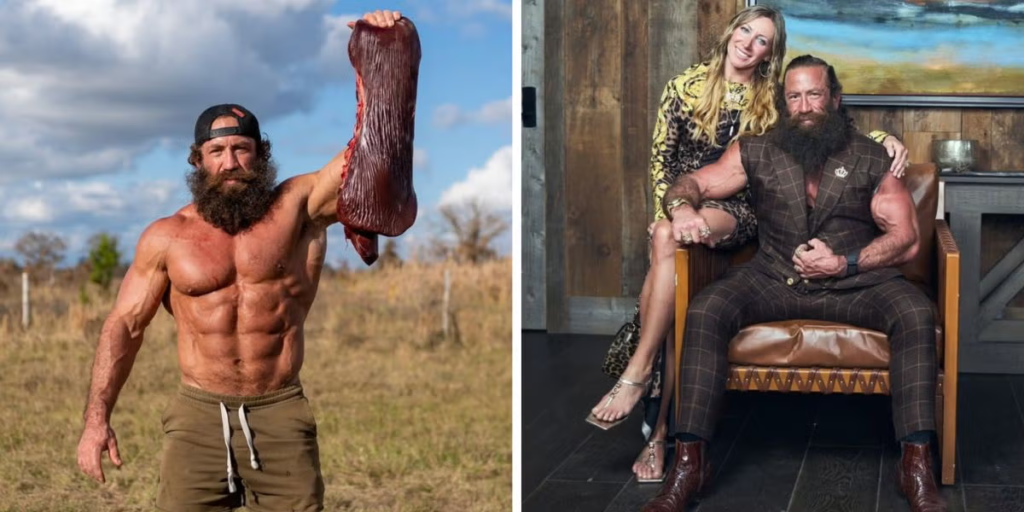
The incident highlights a critical issue: influencers often operate in a space with minimal oversight, driven by algorithms that reward engagement regardless of tone or risk. As individuals accumulate substantial followings, their words and actions carry broader social weight, capable of influencing public discourse, behavior patterns, and in some cases, safety concerns. Johnson’s willingness to escalate a feud publicly, using language that borders on incitement, reflects a misunderstanding — or disregard — of that responsibility.
Additionally, the situation underscores the importance of transparent discussions about performance-enhancing drugs within fitness culture. Rogan’s critiques centered on honesty in representation, arguing that deceptive claims can mislead audiences and create harmful expectations. Johnson’s aggressive response to these criticisms suggests a deeper insecurity about the unraveling of his public image since admitting to steroid use in 2022. His previous persona — built on claims of ancestral purity, raw organ consumption, and discipline — has been significantly undermined by revelations of synthetic enhancement.
Ultimately, while Johnson may frame his repeated challenges as harmless bravado, the context surrounding the initial arrest complicates that narrative. The presence of firearms, the explicit callouts, and the hostile tone collectively created a situation that warranted legal attention. Now, even with charges dropped, the recurrence of similar behavior raises questions about whether future incidents could escalate further.
The broader lesson emerging from this case is the necessity of balancing free expression with responsible conduct, particularly for figures with substantial influence. As social media continues to expand its role in shaping public behavior, the actions of high-profile personalities must be evaluated not only for their entertainment value but also for their potential impact on community safety and personal accountability. Johnson’s rapid return to provocative rhetoric may bolster his online brand, but it also serves as a reminder of how quickly attention-driven behavior can cross into legally or ethically dangerous territory.
Yo, check out pkrvipgame! Just stumbled upon it and it’s pretty legit. Good variety of games, if you’re into that kinda thing. Hit it up here: pkrvipgame
**mitolyn**
Mitolyn is a carefully developed, plant-based formula created to help support metabolic efficiency and encourage healthy, lasting weight management.