
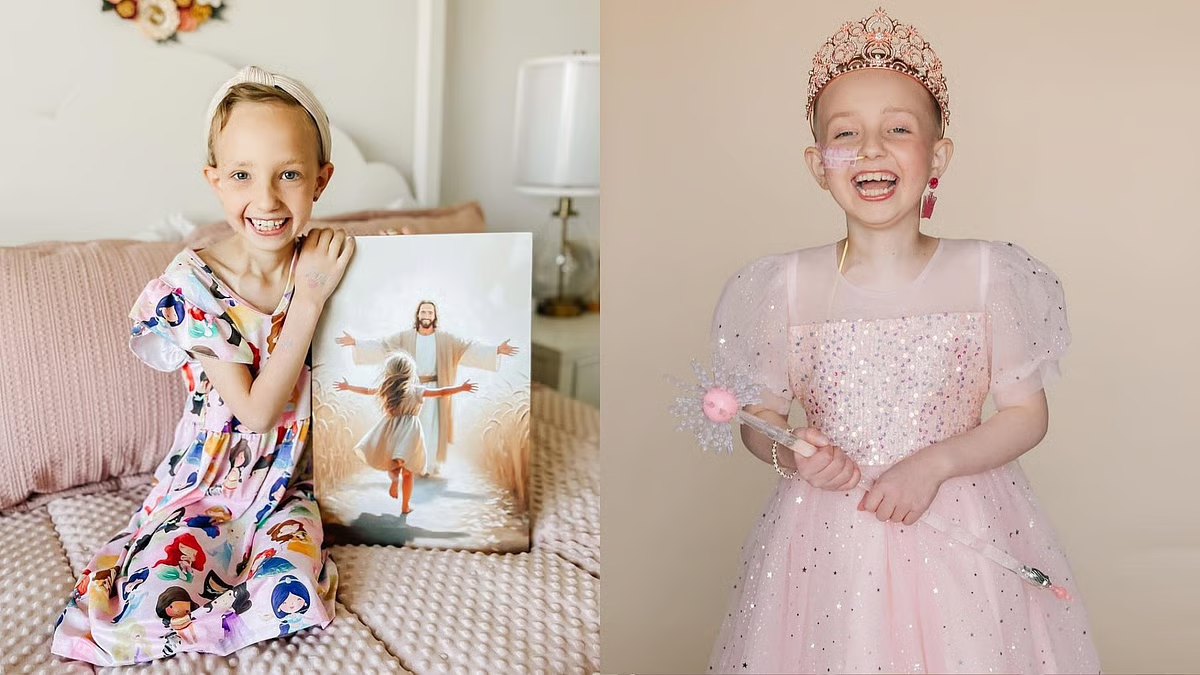
The death of nine-year-old social media star Brie Bird has drawn widespread sorrow across online communities and beyond, as followers, supporters, and strangers alike reflect on a young life that came to symbolize resilience, faith, and visibility for childhood cancer. Brie passed away on Thursday after a five-year battle with neuroblastoma, a rare and aggressive form of cancer that primarily affects young children. Her family confirmed her death through a deeply personal message shared on Instagram on Friday, marking the end of a journey that had been closely followed by hundreds of thousands of people around the world.
Brie Bird, whose given name was Brielle, first became known online through videos and posts shared by her mother, Kendra, documenting her diagnosis, treatments, remissions, setbacks, and daily moments of childhood amid prolonged illness. Over time, her presence grew into a platform that reached far beyond updates for friends and relatives. Her story became a point of connection for families facing similar diagnoses, for faith-based communities, and for viewers moved by the contrast between her age and the gravity of her circumstances.
In announcing her passing, Brie’s family described her life as purposeful and transformative. “You are the miracle! Your purpose on earth was fulfilled, and it was the most sacred privilege to escort you home,” they wrote. “You brought people to Christ, you showed the world that God is good, and your light shined to all corners of the earth.”
The message continued with assurances that her memory would remain present in their daily lives, underscoring the deeply personal loss behind the public mourning. While Brie’s life was brief, her visibility ensured that her death resonated far beyond her immediate family, highlighting both the realities of pediatric cancer and the emotional toll it places on children and caregivers alike.
A Diagnosis That Changed Everything
Brie Bird’s medical journey began five years ago when doctors discovered an eight-centimetre tumour in her stomach. At the time, she was just four years old. Further testing led to a diagnosis of stage 4 neuroblastoma, a cancer that develops from immature nerve cells and often spreads to other parts of the body before it is detected. Stage 4 neuroblastoma is considered high-risk, and treatment typically involves intensive and prolonged medical intervention.
Kendra, Brie’s mother, later explained on social media how surreal those early months felt. At such a young age, Brie understood pain but did not yet fully comprehend the implications of her illness. Hospital stays were framed by child-friendly distractions, with toys, colouring books, and bubble wands helping to soften an otherwise overwhelming experience. For a time, this approach allowed Brie Bird to move through treatment without fully grasping the seriousness of what she was facing.
The following years were marked by cycles of chemotherapy, medical monitoring, and uncertainty. After a prolonged period of intense treatment, Brie’s cancer went into remission approximately two years after her diagnosis. The news brought cautious optimism to her family and followers, many of whom had been tracking each update closely. Posts during this period reflected moments of relief and gratitude, alongside an awareness that remission did not guarantee permanence.
Ariana Grande Sends ‘Wicked’ Gift to Kid Influencer Brie Bird Amid Cancer Battle: https://t.co/OLMFk1uOiJ pic.twitter.com/Xm6AbQJ6cw
— E! News (@enews) August 8, 2025
That awareness became reality in 2024, when Kendra told followers that Brie Bird’s cancer had returned. In a January post that resonated widely, she described the difficulty of explaining a relapse to a child who was now older and more aware. “I hope you never have to tell your child that the cancer is back,” she wrote. Unlike at four years old, Brie at seven had developed an understanding of mortality that made the conversation profoundly painful. According to her mother, Brie eventually whispered words that captured the gravity of the situation: “But mom, cancer can kill people.”
This moment marked a turning point, not only in Brie’s medical journey but also in the tone of her family’s public updates. The posts became more reflective, documenting not just treatment milestones but also emotional processing, fear, and difficult choices. Through it all, Brie remained a visible presence, often appearing cheerful and expressive in videos that contrasted sharply with the seriousness of her condition.
Sharing a Life Lived Publicly and Faithfully
As Brie’s following grew, her story became intertwined with expressions of faith and community support. Her family consistently framed her journey through a spiritual lens, speaking openly about prayer, belief, and the comfort they found in their religious convictions. For many followers, this aspect of Brie’s story was central to why her content resonated so deeply.
Her Instagram account featured videos of everyday moments, hospital updates, and reflections from her mother that balanced vulnerability with conviction. These posts attracted messages from families dealing with cancer, from people seeking hope, and from those who simply felt moved by Brie’s presence. Over time, she was no longer just a child undergoing treatment but a symbol of endurance and belief for a broad and diverse audience.
Read : 69-Year-Old Mary Robinson Arrested in Bahamas After Forgetting Loaded Gun in Purse on Cruise Ship
Kendra often emphasized that sharing Brie Bird’s story was not about creating a polished narrative but about honesty. She spoke candidly about exhaustion, fear, and the emotional strain of watching a child endure repeated treatments. At the same time, she highlighted Brie’s personality, humour, and moments of joy, ensuring that her identity was not reduced solely to her illness.
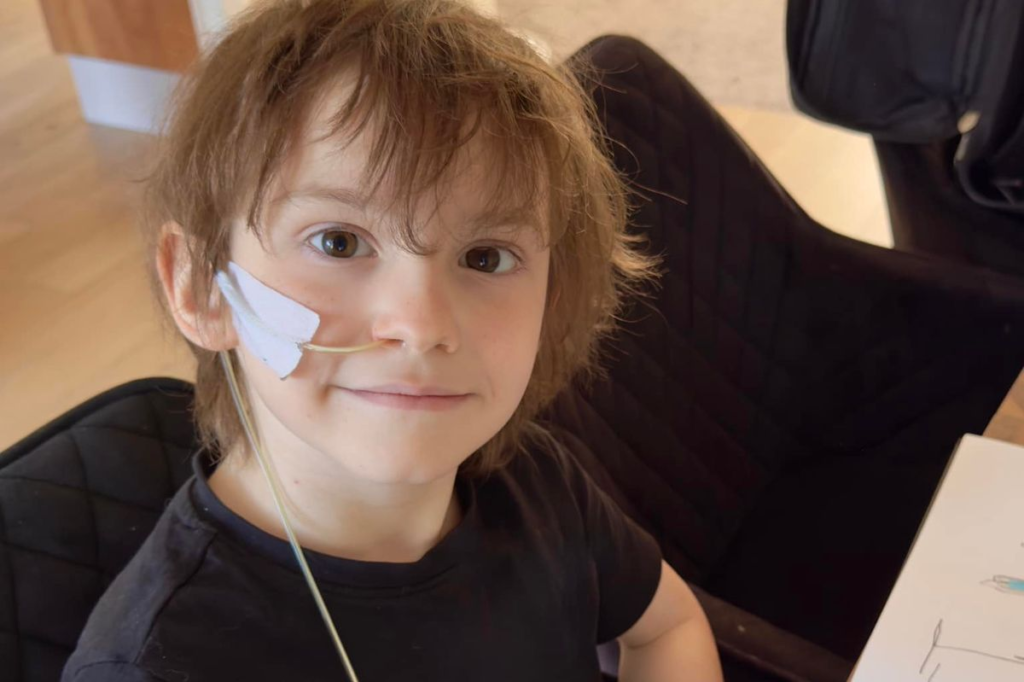
This balance contributed to the sense that followers were witnessing a real life unfolding rather than a curated image. As a result, news of setbacks and complications felt deeply personal to many who had never met Brie in person. When the family announced that Brie Bird had chosen to enter hospice care in July, the response was immediate and emotional.
In explaining that decision, Kendra shared a video accompanied by a caption that detailed a moment of profound heartbreak. She described hearing her daughter cry and initially assuming physical pain, only to realize that Brie’s distress was emotional. According to her mother, Brie Bird wanted to say she could not continue and sought reassurance that choosing comfort care was valid. “And though I am terrified, we respect and honor her wishes; she knows her body,” Kendra wrote. The statement underscored the difficult reality that, despite her age, Brie had reached a level of understanding that forced adult decisions upon her.
Final Months, Public Support, and Lasting Impact
In the final months of her life, Brie continued to receive messages of support from around the world, including from public figures who had followed her story. One of the most notable moments came in August, when pop star Ariana Grande sent Brie a care package that included Squishmallows, nail polish, and memorabilia related to the musical Wicked. The gesture was shared online, showing Brie thanking Grande with visible excitement and appreciation.
Read : 19-Year-Old Arrested for Allegedly Firing Shot into Ceiling at Storo Storsenter Shopping Centre
The exchange did not end there. Ariana Grande later recorded a message addressed directly to Brie, telling her, “I’ve seen your videos and I think you are the most amazing, most inspiring little light beam in this universe. You’re just so incredible, so thank you for being you.” The message was widely shared, adding another layer of visibility to Brie’s story and highlighting the reach her journey had achieved.
Such moments illustrated how Brie’s presence had transcended the boundaries of her immediate circumstances. While she was a child facing a terminal illness, her story connected people across age groups, geographies, and backgrounds. For families navigating pediatric cancer, her visibility offered recognition and solidarity. For others, it served as an introduction to the realities of neuroblastoma and the emotional weight carried by young patients and their caregivers.
Following her death, tributes continued to pour in, with many referencing the consistency and openness with which her family shared her journey. The family’s final message emphasized that they would continue telling Brie’s story and looking for reminders of her presence in everyday details. These words reflected a commitment to remembrance that aligns with how Brie Bird lived publicly, with openness and intention.
Brie Bird’s death at nine years old is a stark reminder of the limits of medical intervention and the profound unfairness of childhood cancer. At the same time, her life illustrates how visibility, honesty, and community can shape meaning even in the face of loss. While her battle with neuroblastoma ultimately ended in her death, the impact of her story remains evident in the conversations, memories, and awareness she leaves behind.
Jilipark app is the way to go! So convenient and easy to use. Gotta love playing on the go. Get the jilipark app now!