
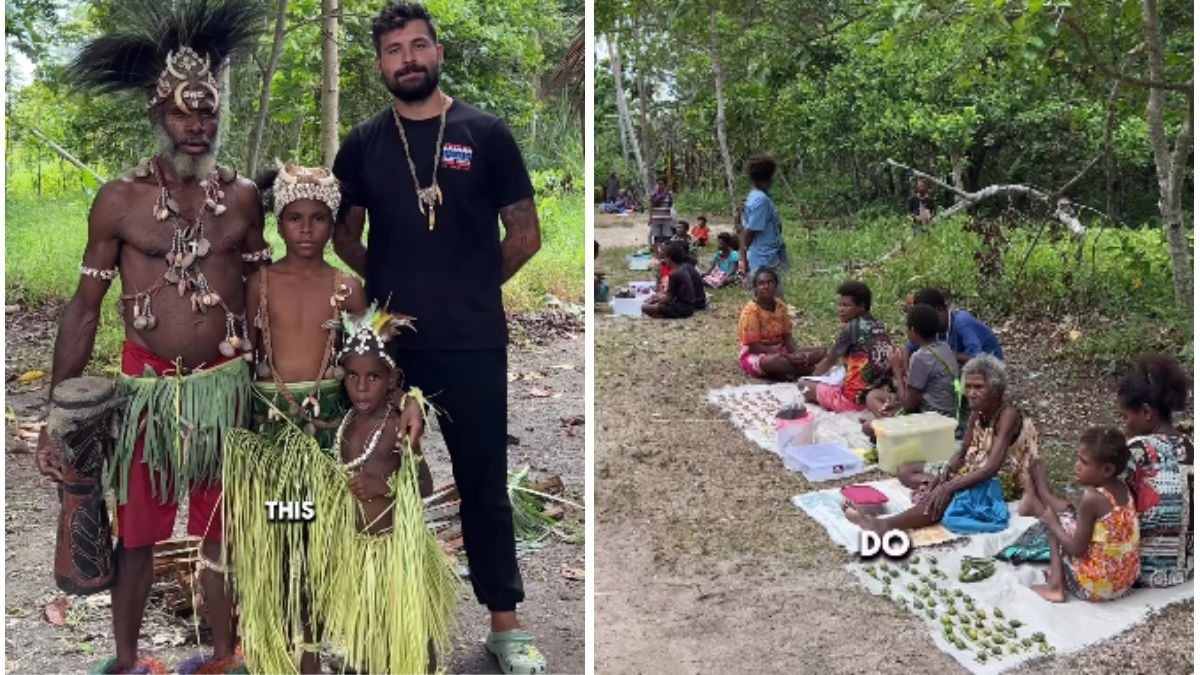
Daniel Pinto, a daring British traveler, recently achieved a remarkable feat by becoming the first tourist to visit several indigenous tribes in Papua New Guinea.
His extraordinary journey shines a light on the rich cultural tapestry of this remote nation and the significance of connecting with communities untouched by mainstream tourism.
A Journey into the Unknown
For Daniel Pinto, exploration has always been more than just a hobby—it’s a passion. At just 27 years old, this adventurer from Lambeth, south London, is on a mission to visit all 195 countries in the world.
Papua New Guinea, with its reputation as one of the last frontiers for modern explorers, offered an irresistible allure. Known for its diverse cultures and remote tribes, the country presented both challenges and opportunities for Pinto, who had already visited 138 nations before this daring expedition.
Spending three weeks in December 2024, Pinto immersed himself in the lives of ten distinct tribes. Among them were the Skeleton Tribe, the Crocodile People, and the Spirit Birds—groups whose traditions and ways of life have remained largely unchanged for centuries.
Read : Papua New Guinea: Unveiling the Majestic Beauty and Rich Culture of the Land of a Thousand Cultures
The adventure was not without its risks. Papua New Guinea’s rugged terrain and limited infrastructure, coupled with safety concerns in some regions, make it a daunting destination for even the most seasoned travelers. However, Pinto’s determination and meticulous planning enabled him to navigate these challenges and make history.
Immersing in Tribal Life
What set Pinto’s journey apart was not just the act of visiting these tribes but his genuine effort to engage with their cultures. His days were filled with unique experiences that offered a rare glimpse into the tribes’ traditions. He participated in ancient ceremonies, attended a tribal wedding, and even joined the men on hunting trips in the dense forests.
The Skeleton Tribe, known for their striking body art and ritualistic dances, welcomed Pinto into their community, allowing him to observe and document their daily life.
5. YAIFO TRIBE
— Heisjayy 𝕏 (@Jayysen_) October 21, 2022
…
The Yaifo tribe in Papua New Guinea first came into contact with the modern world in 1988. Yaifos usually have no contact with the outside world and if you cross paths with them, you are likely to be greeted with arrows and bows. pic.twitter.com/lOBLUh820M
The Crocodile People, famous for their scarification practices that mimic the texture of crocodile skin, shared their deeply spiritual connection with the animals that define their identity. In the Spirit Birds’ village, Pinto marveled at the intricate masks and costumes used in ceremonial dances, which symbolize their relationship with the natural world.
Pinto did not rely on luxury or modern conveniences during his stay. Instead, he lived in local homes and simple guesthouses, eating traditional meals and learning the language and customs of his hosts.
This immersive approach not only earned him the respect of the tribes but also deepened his understanding of their way of life. For the tribes, Pinto’s visit was a chance to share their stories and showcase their culture to the wider world, fostering a sense of pride and mutual appreciation.
A New Perspective on Exploration
Pinto’s journey to Papua New Guinea was about more than just personal achievement; it was an exploration of human connection. In a world increasingly interconnected by technology, the opportunity to meet people who have remained largely isolated from modern influences was a humbling experience.
Papua New Guinea is home to over 800 languages and hundreds of distinct cultural groups, making it one of the most linguistically and culturally diverse places on Earth.
However, this diversity is under threat from globalization and environmental changes. By visiting these tribes and sharing their stories, Pinto hopes to raise awareness about the importance of preserving their unique heritage.

Despite warnings from the UK’s Foreign, Commonwealth, and Development Office about traveling to certain areas of Papua New Guinea, Pinto emphasized the warmth and hospitality he received from the tribes. He found them eager to share their traditions and open to learning about the outside world.
This experience challenged stereotypes and highlighted the potential for meaningful cultural exchange when approached with respect and curiosity.
Pinto’s adventure also underscores the evolving nature of exploration in the 21st century. It’s no longer about discovering uncharted lands but about building bridges between diverse cultures. By stepping into the lives of the tribes and embracing their way of life, Pinto set a new standard for responsible and immersive travel.
Daniel Pinto’s groundbreaking journey to Papua New Guinea is a testament to the power of adventure and the human spirit. By becoming the first tourist to visit these indigenous tribes, he not only achieved a personal milestone but also opened a window into a world that many have never seen.
His story serves as an inspiration for travelers everywhere to go beyond the beaten path and seek genuine connections with the people and cultures that make our planet so extraordinary.