
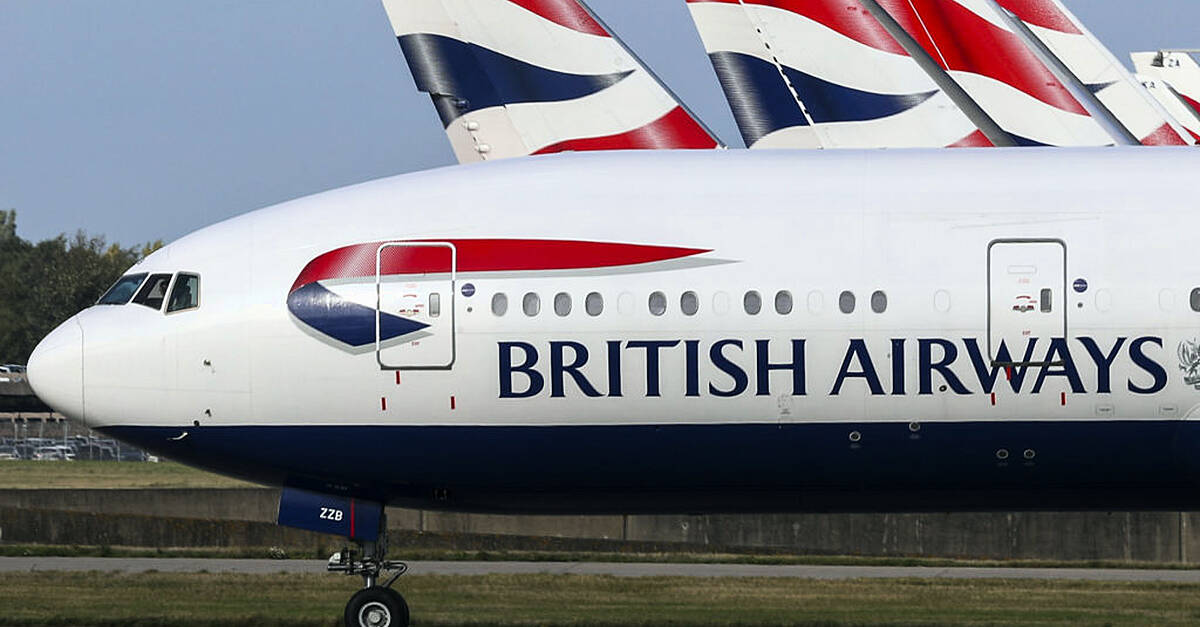
A British Airways pilot suspended temporarily from his duties after reportedly leaving a plane’s cockpit door open mid-flight to allow his family to watch him operate the controls. The incident, which took place on a flight from London Heathrow to New York JFK, has raised serious questions about aviation safety and cockpit security protocols, as well as airline responses to potential breaches. While the pilot has since returned to flying following an investigation, the incident highlights the strict measures in place to protect passengers and crew and the high standards to which pilots are held.
The Incident: Cockpit Door Left Open
British Airways pilot suspended temporarily after an alleged incident occurred during a transatlantic flight last week, when the pilot reportedly left the cockpit door open while his family, who were onboard as passengers, observed him at the controls. According to reports from The Sun, some passengers were alarmed by the open cockpit door, and other crew members raised the issue with British Airways staff.
Cockpit doors have been required to remain closed and locked since the September 11, 2001, terror attacks in the United States. This security measure is designed to prevent unauthorized access and maintain overall aircraft safety. Leaving the cockpit door open is considered a serious breach of airline security protocols, which is why the incident prompted immediate attention from both the cabin crew and the airline management.
Read : British Airways Male Crew Member Found Dead in San Francisco Hotel During Stopover
Following the report, British Airways suspended the pilot and canceled the return flight scheduled to arrive back at Heathrow on 8 August. Affected passengers were offered alternative flights, most of whom reached Heathrow within four hours of their originally planned arrival time.
Read : Passengers Remove Clothes, Faint on Qatar Airways Plane as AC Stops Working in Greece
A spokesperson for British Airways emphasized that “safety and security is our top priority, and allegations of this nature are always fully investigated.” After a thorough review, the airline concluded there was no security threat, and the pilot has now returned to flying duties. Nevertheless, the incident serves as a reminder of the strict rules governing cockpit access and the potential consequences of violating them.
Aviation Safety and Cockpit Security
Cockpit security has been one of the top priorities for airlines around the world since 2001. Reinforced cockpit doors and strict protocols were introduced to prevent unauthorized access, which could compromise passenger safety. Pilots are trained to keep cockpit doors locked at all times during flight, and any deviation from this standard is treated seriously.
Leaving a cockpit door open, even momentarily, poses both a physical and regulatory risk. Physically, an open door could allow someone to interfere with the controls or disrupt the pilot, endangering the flight. From a regulatory perspective, airlines must comply with international aviation safety guidelines, and breaches can lead to disciplinary action, fines, or legal consequences.
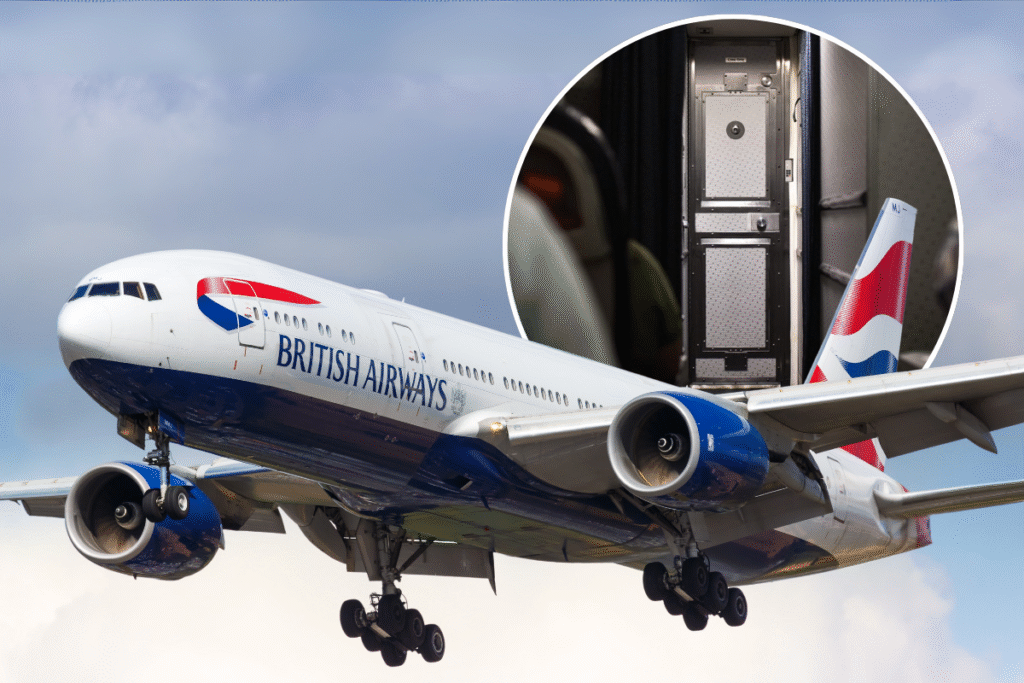
In this case, the pilot’s motivation appears to have been personal rather than malicious, as he wanted his family to witness him piloting the aircraft. While the gesture might seem harmless from a human perspective, it violates aviation regulations designed to safeguard everyone on board. Airlines often conduct routine audits and checks to ensure that pilots adhere strictly to these rules, highlighting the importance of discipline in aviation operations.
Cockpit security is not only about preventing intentional threats; it also ensures operational safety. Pilots need to maintain focus during critical phases of flight, including takeoff, landing, and cruising. Any distraction, whether from inside or outside the cockpit, could compromise decision-making and the ability to respond effectively to in-flight emergencies. The open door, even for a brief period, could have created a risky situation for passengers and crew alike.
Airline Response and Investigation
British Airways acted swiftly once the incident was reported. The pilot was suspended pending investigation, and the return flight was canceled to ensure passenger safety. Offering alternative travel arrangements to affected passengers is standard procedure in such scenarios and demonstrates the airline’s commitment to minimizing disruption while addressing safety concerns.
The investigation by British Airways concluded that the pilot did not pose a security threat, which allowed him to return to flying duties. However, the suspension and flight cancellation reflect the seriousness with which airlines treat even minor deviations from protocol. The airline’s statement reaffirmed that safety and security are paramount and that any allegations involving cockpit protocol violations are fully investigated.

This incident also coincides with another high-profile suspension in the aviation industry, involving an easyJet captain who was reportedly seen intoxicated and unclothed at a hotel in Cape Verde. While the circumstances were different, both cases highlight the critical importance of professional conduct and adherence to safety standards for pilots. Airlines cannot compromise on operational discipline, as lapses can have severe consequences for passengers and crew.
British Airways’ proactive approach in this case is consistent with industry standards, which prioritize passenger safety above all else. Investigations like these serve to reassure the public that airlines are vigilant in enforcing rules, even when incidents involve long-standing employees or experienced pilots. Airlines also use these cases to reinforce training and remind staff of the importance of following established protocols.
Implications for Pilots and Passengers
The suspension of the British Airways pilot underscores the responsibility pilots bear in maintaining the highest standards of safety and security. While the pilot’s intention was personal and seemingly innocent, it demonstrates how even minor deviations from protocol can trigger serious consequences. Pilots are entrusted with the lives of hundreds of passengers, and the margin for error in aviation is extremely narrow.
For passengers, the incident is a reminder of the rigorous safety measures in place during flights. While it may be unsettling to learn that the cockpit door was left open, passengers can be reassured that airlines investigate such incidents thoroughly and act decisively to prevent recurrence. Transparency in handling these events helps maintain public trust in the aviation industry.
The case also highlights the human element in aviation. Pilots are individuals with families and personal lives, but they operate in a profession that demands strict adherence to rules and procedures. Balancing personal desires with professional responsibilities is crucial in maintaining safety standards. Airlines continue to provide training and guidance to ensure that pilots understand the potential risks associated with breaching protocols, regardless of their intentions.
Moreover, incidents like these serve as teachable moments for the wider aviation community. Airlines can use them to reinforce safety briefings, review security protocols, and remind crew members of their role in monitoring compliance. Passengers, too, are often encouraged to report any unusual occurrences, contributing to a culture of vigilance that enhances overall flight safety.
The temporary suspension of the British Airways pilot for leaving the cockpit door open highlights the critical importance of aviation safety and strict adherence to security protocols. While the pilot’s actions were reportedly motivated by a desire to share a personal moment with his family, the incident underscores the potential risks of even brief lapses in cockpit security.
British Airways’ swift response, including suspension, flight cancellation, and a full investigation, demonstrates the airline’s commitment to passenger safety. The eventual clearance for the pilot to return to duty confirms that the incident did not pose a threat but reinforces the high standards expected of pilots.
Cockpit security is a cornerstone of modern aviation safety, designed to prevent unauthorized access and ensure that pilots can operate without distraction. Incidents like this, alongside other high-profile cases in the industry, remind both pilots and passengers of the importance of vigilance, professionalism, and adherence to established protocols. Maintaining these standards ensures the continued safety of air travel for millions of passengers around the world.
In the end, while the pilot’s intentions may have been personal, the professional obligations of aviation staff are clear: safety and security take precedence over all other considerations. Airlines and pilots alike must continue to uphold these standards to preserve public trust and protect lives in the air.