

The British Royal Navy has recently updated its dress code, allowing female officers to wear saris as part of their uniform at mess functions. This decision has been welcomed by inclusivity advocates as a progressive step towards embracing cultural diversity within the armed forces.
However, it has also drawn criticism from conservative commentators who argue that it undermines the uniformity and discipline of the military.
The new policy permits women officers to wear a sari or other cultural attire beneath their mess jackets on formal occasions, aligning with the existing provisions for Scottish, Irish, Welsh, Cornish, and Manx heritage representations. This move marks a significant shift in military tradition, reflecting the changing demographics and cultural integration within the UK.
A Step Towards Cultural Inclusivity
The decision to allow saris as part of the Royal Navy uniform is part of a broader initiative to recognize and respect the diverse cultural backgrounds of service personnel. Lance Corporal Jack Kanani, Chairman of the Royal Navy Race Diversity Network (RDN), highlighted the importance of this policy update in fostering a sense of belonging among minority service members.
According to Kanani, the existing dress code already permitted traditional attire such as kilts and tartan dresses for those of Scottish, Irish, Welsh, Cornish, and Manx heritage. By extending this allowance to include other cultural garments, the Navy aims to create an environment where all personnel feel valued and represented.
Kanani shared a photograph of Honourable Captain Durdana Ansari wearing a sari beneath her uniform jacket on LinkedIn, demonstrating how the new dress code would be implemented.
However, he clarified that the image was taken during trials before the official announcement and might not fully represent the final uniform design. The updated policy ensures that officers must still adhere to certain uniform regulations, such as wearing a mess jacket, shirt, and bow tie above the waist, regardless of their cultural attire beneath.
Read : One in Five UK Adults Living with Diabetes or Prediabetes, Survey Says
The policy update was implemented after consulting ethnic minority personnel within the Navy to gauge their perspectives on inclusivity in military dress codes.
Read : First Time in Indian Military History: Two Classmates Will Serve as Army and Navy Chief Together
Many service members expressed that the ability to wear traditional clothing would help them celebrate their dual identity as both proud Royal Navy officers and individuals with rich cultural heritages. This initiative is seen as a step toward bridging the gap between military traditions and the evolving multicultural landscape of the UK.
Criticism and Conservative Backlash
Despite being lauded as a progressive move, the decision to integrate cultural attire into the Royal Navy uniform has faced backlash from conservative figures.
Critics argue that military uniforms should symbolize unity and discipline rather than cultural differences. Retired Rear Admiral Philip Mathias, a former nuclear submarine commander, strongly opposed the change, stating that the British Navy had “exposed itself to ridicule” with this policy update.
Mathias contended that the primary focus of the Royal Navy should be on strengthening its war-fighting capability rather than adopting diversity and inclusion measures that, in his view, detract from military cohesion. He emphasized that the uniform exists to create a common identity within a disciplined fighting force, not to highlight individual cultural distinctions.
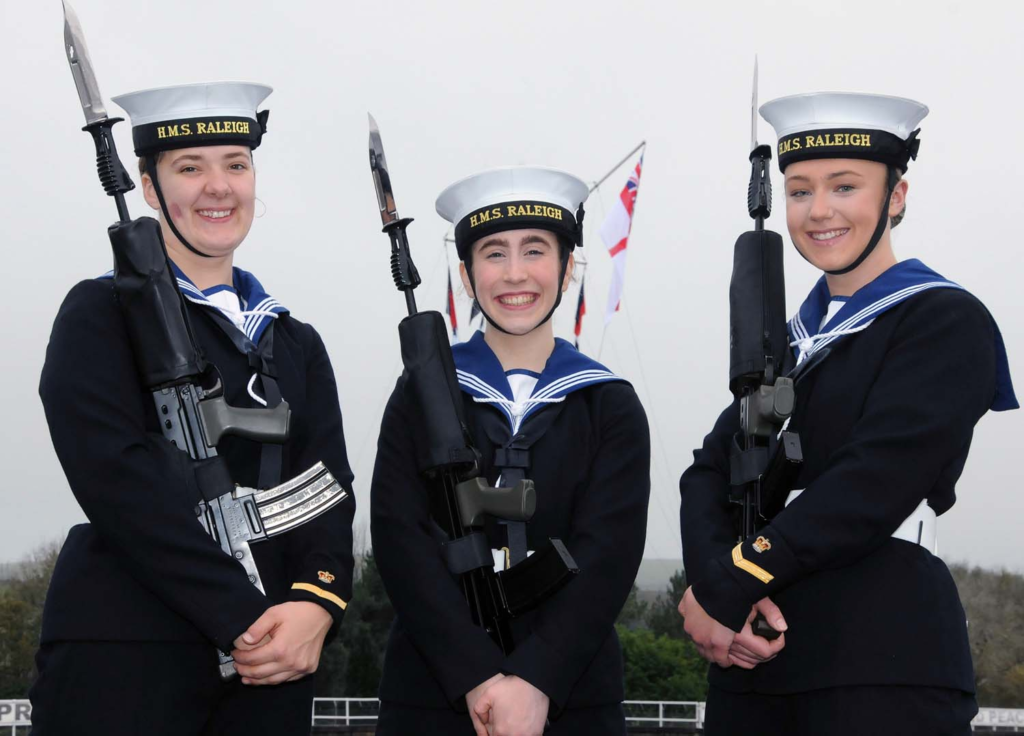
Mathias further argued that while personnel should be encouraged to embrace their cultural heritage in civilian settings, blending traditional attire with military uniforms undermines the fundamental purpose of a standardized dress code.
The criticism from conservative quarters reflects a broader debate on the role of diversity and inclusion in the armed forces. Some argue that policies like this prioritize symbolic gestures over the operational efficiency of the military.
Others believe that the growing focus on diversity initiatives could detract from the primary objectives of the armed forces, such as readiness and strategic preparedness. However, supporters of the policy counter that fostering inclusivity strengthens morale and commitment among service members, ultimately enhancing the effectiveness of the military as a whole.
The Broader Implications of the Policy Change
The Royal Navy’s decision to allow cultural attire such as saris in formal dress settings represents a significant shift in military norms and has broader implications for the UK’s approach to diversity in defense institutions.
Historically, military dress codes have been rigid, reflecting a strict adherence to tradition and uniformity. However, as the UK’s armed forces become more diverse, there is growing recognition of the need to adapt policies to reflect the changing demographic landscape.
This policy change aligns with broader efforts across the UK military to promote diversity and inclusion. The British Army and the Royal Air Force have also introduced measures to accommodate religious and cultural practices, including allowing beards for Sikh soldiers and hijabs as part of the uniform.
These changes reflect an increasing awareness of the importance of representation and inclusivity within the armed forces, making them more reflective of the society they serve.
Beyond the UK, other military forces around the world have taken similar steps to embrace cultural diversity. The US military, for instance, has adjusted its dress code to allow religious attire such as turbans, hijabs, and beards for service members from diverse backgrounds.
Canada’s armed forces have also implemented policies that accommodate religious and cultural dress, recognizing the importance of inclusivity in building a cohesive military force.
While the Royal Navy’s new dress policy has sparked debate, it is part of a broader trend toward modernizing military institutions to be more inclusive.
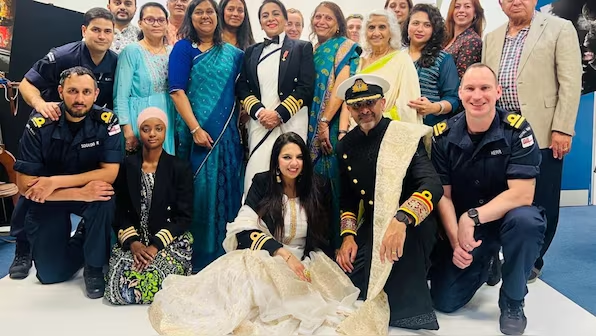
By allowing female officers to wear saris at mess functions, the Navy acknowledges the contributions of ethnic minority personnel and promotes a sense of belonging among diverse service members. As cultural diversity within the UK continues to grow, it is likely that the armed forces will continue to adapt and refine policies that balance tradition with inclusivity.
The Royal Navy’s decision to permit women officers to wear saris as part of their uniform at mess functions is a landmark step toward embracing cultural diversity within the military.
While the policy has been praised by inclusivity advocates as a necessary and progressive change, it has also faced strong opposition from conservative figures who argue that it undermines military discipline and uniformity.
The broader debate surrounding this issue highlights the evolving role of diversity initiatives within the armed forces and raises important questions about the balance between tradition and inclusivity.
As military institutions worldwide continue to adapt to changing social landscapes, policies like this will become increasingly relevant. The challenge lies in finding a middle ground that respects cultural heritage while maintaining the discipline and unity essential to a fighting force.
Whether seen as a progressive step forward or an unnecessary departure from tradition, the Royal Navy’s decision marks a significant moment in the ongoing evolution of military policies in the UK.