
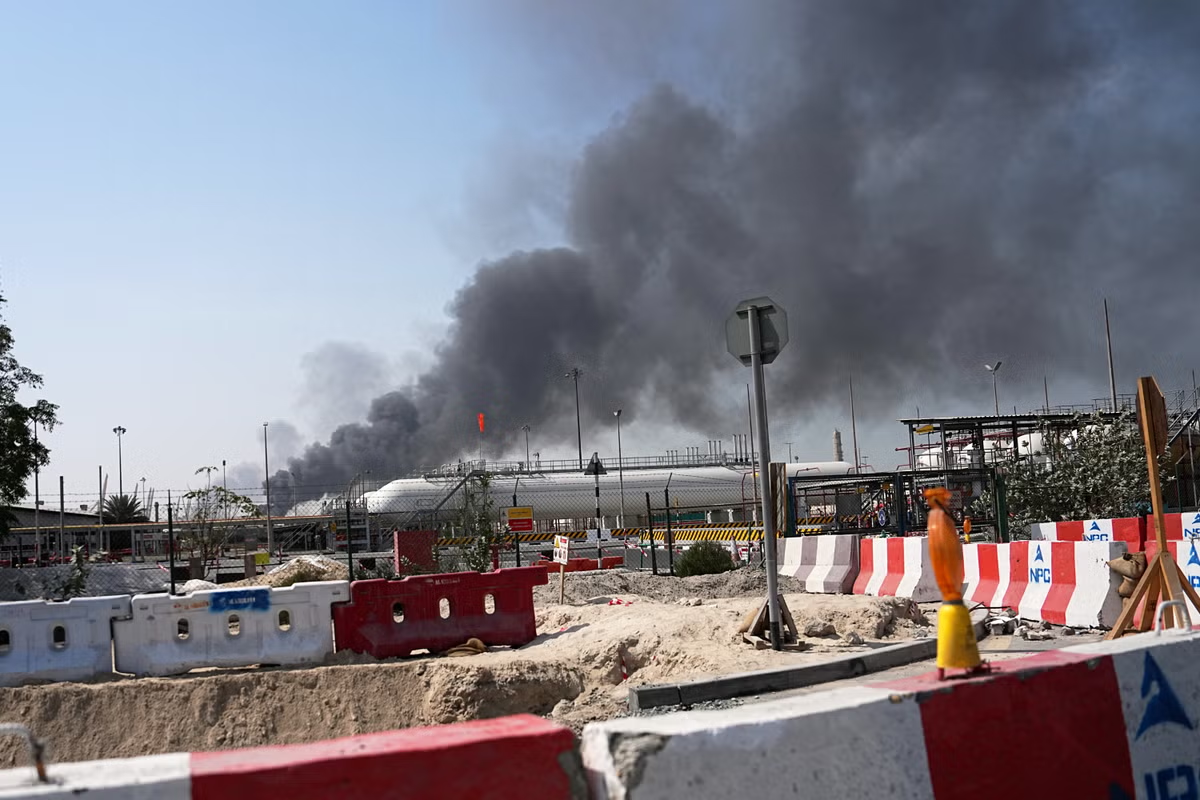
A British Tourist Arrested in Dubai after allegedly filming missile activity during the escalating conflict involving Iran and the United States. The 60-year-old man, who has not been publicly identified, was in the United Arab Emirates on holiday when authorities detained him after he recorded footage of missiles in the sky during the regional tensions. According to reports, the tourist immediately deleted the video when authorities questioned him and reportedly had no intention of causing harm.
Despite this, he now faces charges under the country’s strict cybercrime legislation, which governs the use of digital networks, social media, and electronic communication. If convicted, the tourist could face up to two years in prison, a significant financial penalty, or both, followed by deportation from the country. The case has drawn attention to the UAE’s strict approach to online content and public information during periods of geopolitical tension, particularly when foreign nationals are involved.
Arrest Linked to Recording Missile Activity During Regional Conflict
Authorities reportedly detained the British tourist after he filmed missiles during a period of heightened military activity connected to the conflict involving Iran, the United States, and regional allies. According to available reports, missile interceptions and aerial defence operations had been occurring in the area as military forces responded to threats involving drones and ballistic missiles. During this period, some residents and visitors witnessed missile defence systems intercepting projectiles in the skies above parts of the Gulf region.
The tourist was allegedly recording one such incident when authorities intervened. While it is unclear exactly how the footage was shared or whether it was posted online, campaign groups monitoring the case say that even the act of filming or potentially distributing such material can fall under cybercrime laws in the UAE. These laws regulate how digital content is recorded, shared, or circulated, particularly when it relates to security-sensitive events or information that could affect public perception.
Following his detention, the tourist was reportedly taken to a police station in the Bur Dubai area. Authorities have not publicly disclosed additional details about the investigation, and the identity of the man has not been released. Reports indicate that he cooperated with officials and deleted the footage immediately when asked, but that action did not prevent the case from moving forward under the applicable legal provisions.
Read : Australian Tourist Alivia Jane Campbell Hospitalised in Bali After Motorcycle Collision with Truck
The arrest is not an isolated situation. Campaigners say that the British tourist is among more than twenty individuals of different nationalities who have reportedly been detained in connection with similar allegations during the recent regional tensions. In many of these cases, individuals are suspected of recording or sharing footage related to missile launches, interceptions, or other military developments occurring during the conflict.
Read : Surreal Event: A Real Pic of Flamingo Won AI Photo Contest
These incidents highlight how rapidly developing military events in the region have intersected with the widespread use of smartphones and social media. In many parts of the world, capturing dramatic events on camera and sharing them online has become commonplace. However, in countries where national security considerations are prioritized during times of conflict, the legal consequences of such actions can be far more severe.
UAE Cybercrime Laws and Their Implications for Visitors
The charges facing the British tourist reportedly fall under the UAE’s cybercrime legislation, which regulates the use of digital communication technologies, online platforms, and information networks. These laws were designed to combat online fraud, misinformation, cyberattacks, and the spread of harmful content, but they also include provisions related to public security and national stability.
According to campaign groups monitoring the case, the charges relate to the alleged use of an information network or technological tool to publish or circulate material that could disturb public order or influence public opinion. The wording of such provisions can be broad, allowing authorities to interpret whether certain digital actions could pose risks during sensitive situations.
Legal experts often note that under the UAE’s cybercrime framework, liability can extend beyond the original creator of online content. Individuals who repost, share, comment on, or distribute digital material can also face legal scrutiny if authorities believe the content could be harmful or misleading. This aspect of the law has drawn attention because it means that ordinary social media behaviour may fall within the scope of criminal investigation if the content relates to national security or politically sensitive topics.
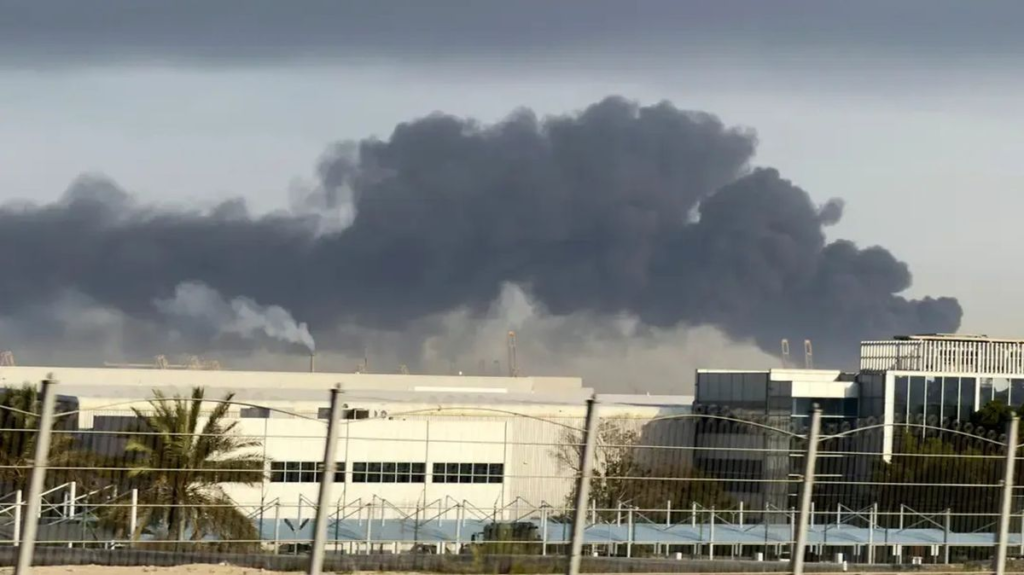
If the tourist is ultimately convicted, the potential penalties could include up to two years in prison or financial fines ranging from tens of thousands to hundreds of thousands of dirhams. In addition to these penalties, deportation from the country is also a possible outcome. Deportation is commonly applied in cases involving foreign nationals convicted under various legal statutes in the UAE.
The case has been highlighted by advocacy groups that assist foreigners facing legal challenges in the Gulf region. Representatives from such groups have suggested that the charges appear serious on paper but may stem from actions that would normally be considered routine social media behaviour in other countries. Recording unusual events, sharing dramatic footage, or discussing breaking news online is common practice for many travellers, particularly when they witness something unexpected while abroad.
However, the UAE’s legal system operates under different standards, particularly during periods when authorities are focused on maintaining security and public order. Laws regulating online communication can be enforced more strictly when tensions are high or when authorities believe that unverified information could spread rapidly across digital platforms.
These differences in legal expectations often catch foreign visitors by surprise. Tourists may assume that actions permitted in their home countries are also acceptable abroad, especially when using personal devices such as smartphones to capture events in public spaces. Yet in jurisdictions where national security concerns carry significant weight, such activities can fall under legal scrutiny if they involve sensitive information or developments.
Rising Regional Tensions and the Risks of Social Media During Conflict
The arrest of the British tourist occurred against the backdrop of rising tensions across the Middle East, where military exchanges involving Iran, the United States, and allied forces have created a volatile security environment. Officials in the region have reported multiple incidents involving drones and ballistic missiles, with air defence systems intercepting many of these threats before they could reach populated areas.
According to regional reports, hundreds of drones and missiles have been launched or intercepted during the recent escalation. Some incidents have resulted in damage to infrastructure, including airports, buildings, and hotels. While many interceptions have taken place high in the atmosphere, the dramatic nature of these events often attracts attention from residents and visitors who witness them firsthand.
Read : Canadian Tourist Mitchell Fairbarn Accused of Stealing and Torturing Flamingo
In a world where nearly everyone carries a smartphone equipped with a high-quality camera, the instinct to record such events can be immediate. Videos of missile interceptions, aerial explosions, and defence systems in operation can spread quickly on social media platforms, sometimes reaching millions of viewers within minutes. While these clips can provide real-time glimpses into major geopolitical developments, they can also raise concerns among governments about security risks, misinformation, or panic among the public.
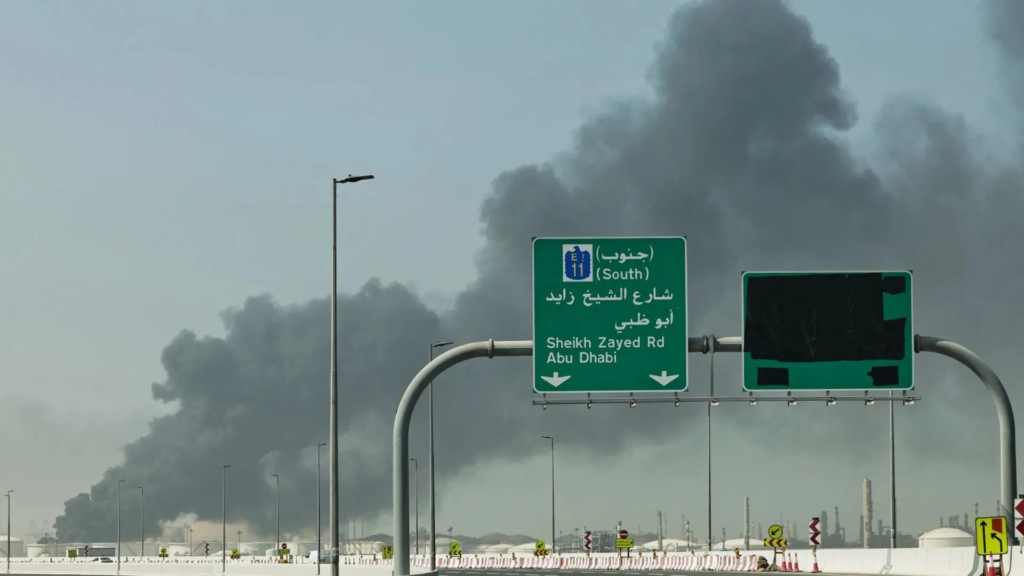
Authorities in the UAE are believed to be particularly cautious about digital content during periods of regional instability. When conflict unfolds nearby, governments may be sensitive to the possibility that unverified or sensational footage could circulate widely online, potentially causing confusion or affecting public confidence. As a result, individuals who capture or distribute such content may face questioning or investigation to determine whether their actions violated local laws.
Advocacy groups assisting foreigners in legal cases in the region have warned that travellers should exercise caution when using social media while visiting countries with strict digital regulations. Even seemingly harmless actions, such as filming dramatic scenes in the sky or sharing clips on messaging apps, can be interpreted differently under local legal frameworks.
Campaign representatives involved in the British tourist’s case have also highlighted how quickly minor incidents can escalate into serious legal situations during periods of heightened geopolitical tension. When security agencies are on high alert, activities that might normally be overlooked can attract immediate scrutiny.
For tourists, the situation underscores the importance of understanding local laws before travelling abroad. Many countries have regulations governing photography, filming, and digital communication, particularly when it involves government buildings, military installations, or ongoing security operations. While these rules are not always widely known, failing to follow them can lead to detention, legal proceedings, or deportation.
The case of the British tourist has also prompted broader discussions about the intersection of technology, tourism, and national security. As mobile devices continue to evolve and social media platforms expand their reach, governments around the world face challenges in balancing freedom of expression with the need to protect sensitive information during crises.
For the man currently facing charges in Dubai, the legal process could take time as authorities determine how the cybercrime laws apply to the circumstances surrounding the incident. Until a final decision is reached, the case serves as a reminder that the rapid sharing of digital content—especially during military conflict—can carry serious consequences depending on where it occurs.