

Breast cancer remains one of the most significant health concerns worldwide, affecting millions of women every year. In some cases, the disease can have a devastating impact on families, striking multiple members and raising questions about genetic predisposition.
A recent case in the UK has highlighted this issue, as a 59-year-old woman named Sue was diagnosed with inflammatory breast cancer just five days after losing her mother to the same illness.
Her story underscores the aggressive nature of inflammatory breast cancer (IBC), the importance of early detection, and the need for greater awareness about different forms of Cancer.
The Tragic Coincidence: A Daughter Diagnosed Soon After Her Mother’s Death
Sue, a resident of Bedfordshire, was in the midst of planning her mother’s funeral when she noticed red spots and swelling on her right breast. She had first observed the symptoms while caring for her mother in her final days but dismissed them as minor issues, assuming they were caused by an accidental bump.
As her mother’s condition worsened, Sue devoted all her energy to looking after her, putting her own health concerns aside. Her mother, Betty, had battled metastatic breast cancer, which had initially manifested as a large lump under her armpit.
She had kept the lump a secret until the disease had spread to her womb, spine, and liver. The late-stage diagnosis and the aggressive nature of the cancer ultimately led to her passing. Sue, still grieving her mother’s death, was blindsided when she received her own breast cancer diagnosis just days later.
Unlike her mother’s metastatic cancer, Sue was diagnosed with inflammatory breast cancer (IBC), a rare and aggressive form of the disease. She had initially visited the doctor with concerns about swelling and redness in her breast and was prescribed antibiotics for what was thought to be mastitis, a common breast infection. However, further tests at a breast screening clinic confirmed that she had stage 3B inflammatory cancer.
Read : Targeted Cancer Medicine Can Cure Aggressive Cases in Kids: Study
The diagnosis was overwhelming for Sue. “It felt surreal, like an out-of-body experience,” she said. “Mom had just died of breast cancer, and now I was facing the same disease.” Her case highlights the importance of not ignoring unusual symptoms and seeking medical advice as soon as possible.
Inflammatory Breast Cancer: A Rare and Aggressive Disease
Inflammatory cancer is a particularly aggressive form of cancer that accounts for less than 5% of all breast cancer cases. Unlike other types of breast cancer, which typically present as lumps, IBC affects the lymphatic vessels in the skin of the breast, causing redness, swelling, and dimpling that can resemble an infection. The rapid progression of IBC makes early diagnosis and treatment crucial.
IBC symptoms often develop over a short period, typically within three to six weeks. Some of the most common signs include:
- Red, pink, or purple discoloration covering a large portion of the breast
- Dimpling or thickening of the skin, similar to the texture of an orange peel
- Pain, swelling, and tenderness in the breast
- A feeling of warmth or heaviness in the affected breast
- An inverted or retracted nipple
- Swollen lymph nodes near the collarbone or under the arm
Due to the way IBC presents itself, it is often mistaken for an infection or injury, leading to delays in diagnosis. This was the case for Sue, who initially thought she had mastitis. Unfortunately, delayed diagnoses are common for IBC, making it one of the most lethal forms of cancer.
Treatment for IBC typically involves a combination of chemotherapy, surgery, and radiation therapy. In Sue’s case, she was placed on ENHERTU, a breakthrough chemotherapy treatment designed to provide patients with extended survival time and improved quality of life.
Is Cancer Always Genetic?
Given that Sue and her mother were both diagnosed with cancer within a short period, many might assume a genetic link. However, Sue’s doctors confirmed that her cancer was not genetically inherited, as she had a different type of breast cancer than her mother.
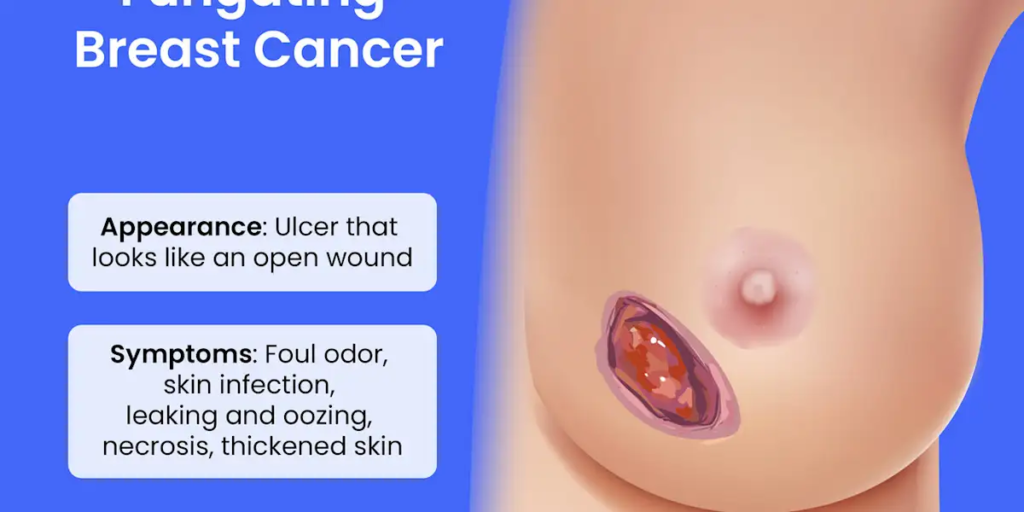
Breast cancer can be caused by a combination of genetic, environmental, and lifestyle factors. While some breast cancers are linked to inherited gene mutations, such as BRCA1 and BRCA2, others develop due to non-genetic reasons.
In Sue’s case, her inflammatory cancer was not directly linked to her mother’s metastatic breast cancer, demonstrating that different types of breast cancer can arise independently within the same family.
Still, individuals with a family history of breast cancer should be vigilant about screenings and genetic testing. Regular mammograms, self-examinations, and consultations with healthcare providers can help detect potential issues early.
Several factors can increase the risk of developing inflammatory breast cancer, including:
- Sex: Women are significantly more likely to develop IBC than men.
- Age: The median age of diagnosis for IBC is around 57 years, and it is more common in women under 40 than other breast cancer types.
- Race: Black women have a higher risk of developing IBC compared to white women.
- Weight: Obesity has been linked to a higher risk of IBC, as excess fat can contribute to inflammation and hormonal imbalances.
Sue’s case serves as a reminder that cancer is a complex disease with many contributing factors. Even when there is no direct genetic link, individuals should remain proactive about their breast health.
Raising Awareness and Taking Action
Sue’s experience highlights the importance of raising awareness about inflammatory breast cancer and the different forms of the disease. Many people associate breast cancer with lumps, but IBC does not present in this way, making it more difficult to detect. Public education campaigns and healthcare initiatives should focus on spreading knowledge about lesser-known forms of breast cancer to improve early diagnosis rates.
Additionally, research into innovative treatments like ENHERTU offers hope for patients diagnosed with advanced breast cancer. As medicine advances, more targeted therapies and immunotherapies are being developed to improve survival rates and quality of life for cancer patients.
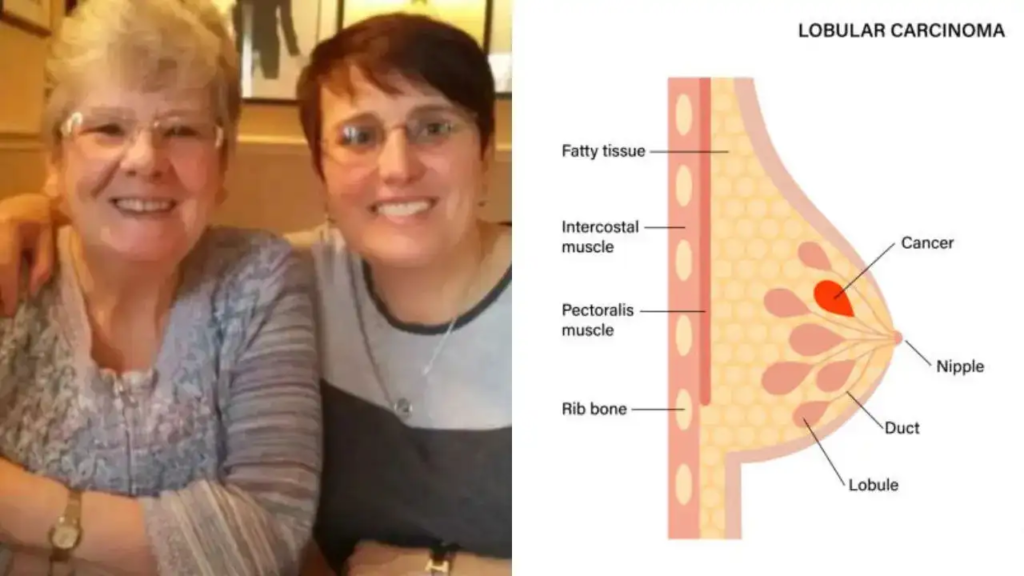
For individuals with a family history of breast cancer, genetic testing and routine screenings can help identify potential risks early. While not all breast cancers are genetic, staying informed and proactive about personal health can make a significant difference in outcomes.
Sue’s journey is a powerful testament to resilience in the face of adversity. Despite the emotional toll of losing her mother and facing her own diagnosis, she remains hopeful and determined to fight her disease. Her story serves as an inspiration to others and a reminder that early detection and treatment can save lives.
As research continues to uncover new treatments and prevention strategies, stories like Sue’s emphasize the urgent need for greater awareness, education, and support for those affected by breast cancer. By sharing experiences and knowledge, we can work toward a future where more lives are saved through early detection and advanced treatment options.