
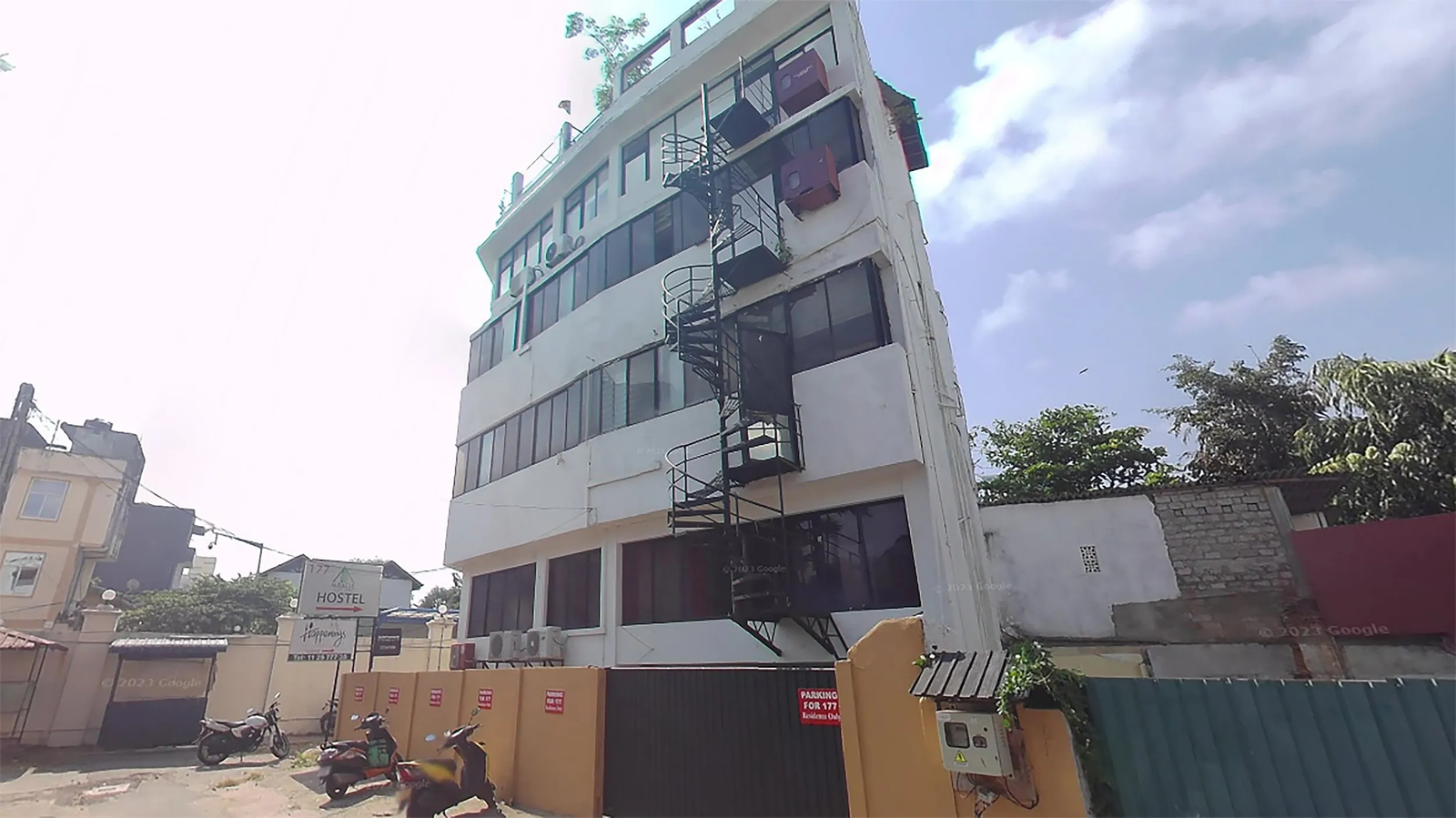
A 24-year-old British Woman Dies After Falling Ill in Sri Lanka while staying at a hostel in Colombo. The incident, which occurred in early February 2025, has sent shockwaves through the global travel community.
The young British Woman, who has not been identified, was among a group of tourists who experienced sudden illness at the hostel. Authorities are now investigating the cause of her death, and the Foreign, Commonwealth & Development Office has confirmed they are assisting the woman’s family during this distressing time.
The hostel where the British Woman stayed, located in the heart of Colombo, is now under scrutiny by Sri Lankan authorities. Two other guests— a German couple— also fell ill while sharing the same room as the British tourist.
The unexplained nature of the illnesses has raised concerns about the quality of food, water, and the overall hygiene standards at the establishment. With similar incidents having occurred recently in other parts of Southeast Asia, the situation is fueling debates about the safety of budget travel accommodations and the importance of safeguarding the health of tourists.
The Incident in Sri Lanka
The tragic death of the 24-year-old British woman took place while she was staying at a hostel in Colombo, Sri Lanka’s bustling capital. The woman collapsed while at the hostel, and she was immediately rushed to a nearby hospital. Despite efforts to save her life, she was pronounced dead shortly thereafter.
Reports have stated that she was one of three tourists who had fallen ill at the hostel. The other two individuals affected were a German couple sharing the same room as the British Woman. These individuals also showed symptoms of illness, though they reportedly survived.
The authorities are still working to determine whether the illnesses were caused by food poisoning, contamination in the water, or some other environmental or medical factor.
While initial reports suggest that the hostel was operating as a typical budget accommodation, investigators are examining the possibility that a common source—such as food or a local illness—could have triggered the outbreak of symptoms among the three guests.
Read : Ex-British Soldier Daniel Khalife Jailed for Spying and Escape From Wandsworth Prison
Sri Lankan police have launched a formal investigation into the British Woman’s death. It is unclear whether there was negligence involved in the hostel’s management or if external factors, such as contaminated food or poor hygiene standards, played a role.
Read : Watch Video of Tourists Beaten Up by Bar Bouncers in Thailand: One in Coma
The local police have started questioning staff at the hostel, and investigators are reviewing CCTV footage from the premises to determine whether anything unusual occurred in the lead-up to the British woman’s collapse. Toxicology tests and autopsy reports are expected to provide further clarity.
As this case unfolds, Sri Lankan authorities have been under increasing pressure to provide answers. The investigation could potentially uncover a broader issue with the standards of hostels in Colombo or even the tourism industry in Sri Lanka.
Given the popularity of Sri Lanka as a tourist destination, especially among budget travelers and backpackers, the results of this investigation could have significant implications for future travelers and the hospitality sector in Sri Lanka.
Similar Incidents Across Southeast Asia
The tragic death of the British tourist in Sri Lanka comes on the heels of several similar incidents across Southeast Asia in recent months. In December 2024, another British woman, Greta Marie Otteson, and her fiancé, Arno Quinton Els, were found dead in a hotel in Vietnam.
The couple had just announced their engagement before they were discovered in separate rooms, both having consumed wine. Local authorities in Vietnam have yet to determine the cause of their deaths, but the incident raised immediate concerns about the safety of tourists consuming food and drink at foreign establishments.
Moreover, in Laos, the situation took an even more tragic turn when six tourists— including a South African couple, two Danish tourists, and an American man— died from methanol poisoning in late 2024.
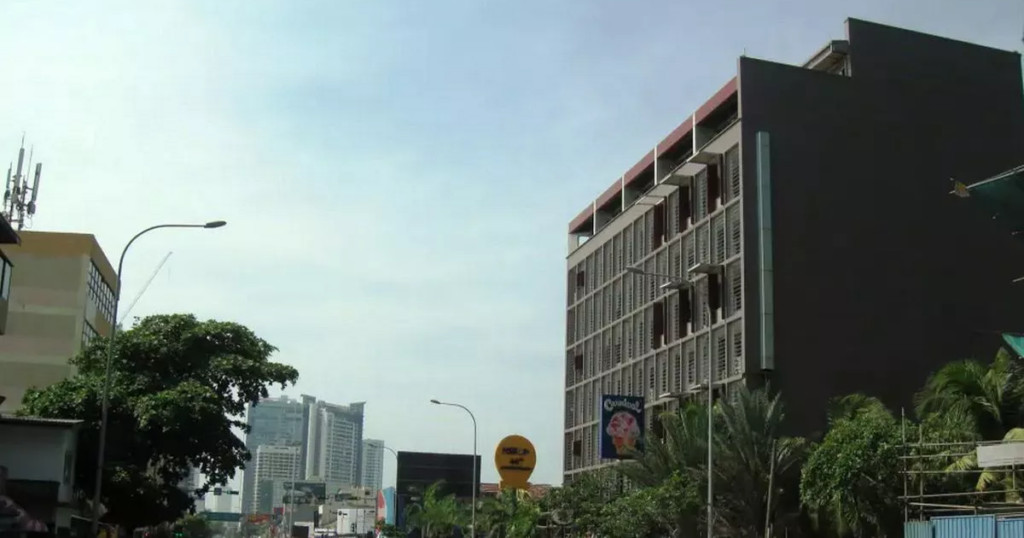
The tourists had consumed free shots of alcohol offered by a backpacker’s hostel, which turned out to be contaminated with methanol, a highly toxic substance. Several survivors from this incident have since spoken out, sharing their harrowing experiences of the poisoning, which caused symptoms like nausea, paralysis, and fainting.
These incidents are indicative of a growing pattern of sudden deaths among tourists in Southeast Asia, often linked to food or drink contamination. Whether through faulty hygiene practices, unsafe food handling, or hazardous substances in alcoholic beverages, these cases highlight the vulnerability of travelers who may not be fully aware of the potential risks they face while in foreign countries.
Southeast Asia has long been a popular destination for international tourists, offering budget-friendly accommodations, diverse cultural experiences, and picturesque landscapes.
However, as these tragic incidents reveal, there is a darker side to the region’s tourism industry. For tourists, particularly those traveling to unfamiliar countries, it is essential to remain vigilant and aware of potential health risks, even as they explore some of the world’s most beautiful destinations.
The Need for Improved Health and Safety Standards in Tourism
The recent spate of tourist deaths in Southeast Asia has raised questions about the broader issue of health and safety standards within the region’s tourism industry.
Budget accommodations, such as hostels and guesthouses, are popular among young travelers and backpackers, who often prioritize cost over comfort and luxury. However, these budget-friendly options are sometimes subject to lower health and safety standards, particularly when it comes to hygiene, food preparation, and water quality.
In Sri Lanka, where tourism is a key industry, there is a pressing need for more rigorous oversight and regulation of hostels and hotels. The tragic death of the British tourist, along with other recent incidents in Southeast Asia, calls attention to the potential risks faced by international travelers in low-cost accommodations.
Hostels and guesthouses often serve as entry points for young travelers who are exploring new cultures and destinations. While many establishments maintain high standards of cleanliness and care, others may lack proper health protocols or may operate under less stringent regulations.
In countries like Sri Lanka, where tourism has rapidly expanded in recent years, the tourism infrastructure must evolve to meet the needs of a growing number of visitors.
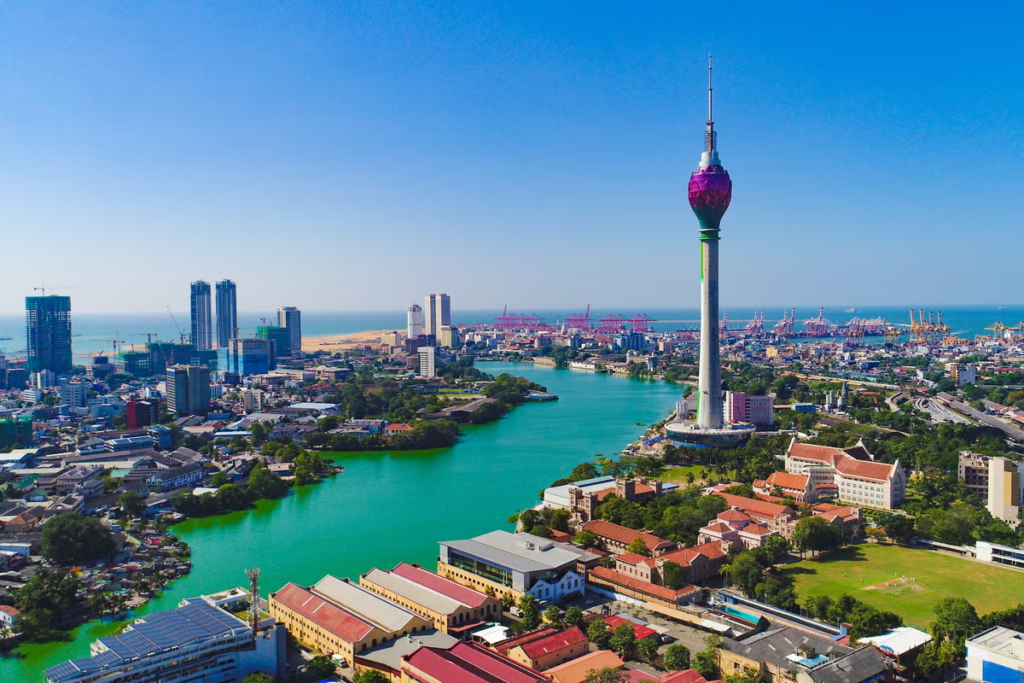
It is also essential for governments and travel agencies to invest in providing tourists with information on how to stay safe while abroad. Awareness campaigns on food safety, hygiene, and local health risks could play a key role in reducing the number of preventable deaths among foreign visitors.
Travelers should also be more informed about the health risks in specific destinations, especially regarding the safety of food and water, and how to recognize the symptoms of common travel-related illnesses.
As the investigations into the British woman’s death in Sri Lanka continue, it is clear that there is a need for greater accountability and transparency in the tourism industry.
Whether it involves improving safety standards at hostels, offering more guidance to travelers, or enhancing health inspections for accommodations, these measures could help prevent future tragedies and ensure that tourists are able to enjoy their trips with peace of mind.
In the meantime, the British Woman’s family continues to mourn her sudden loss, and her death stands as a stark reminder of the unpredictable dangers that can arise when traveling in unfamiliar environments.
While Sri Lankan authorities continue their investigation, the hope is that lessons will be learned, and reforms will be made to ensure that the safety of tourists is a top priority in Sri Lanka and across the wider Southeast Asia region.