

An 18-year-old college football player from Illinois has brought attention to how racism can continue to unfold in collegiate sports environments, even in programs that publicly promote diversity and inclusion. Brook Williams, who had earned a $60,000 scholarship to play football at Aurora University, said he ultimately walked away from the opportunity after enduring racist harassment from some of his teammates. His decision to leave the school has raised wider questions about accountability within athletic programs, how institutions handle racial misconduct, and the emotional toll such experiences take on young athletes who are trying to build their futures.
Brook Williams, a promising athlete with years of dedication behind him, entered Aurora University with the hopes of continuing his development on the field while pursuing his academic and professional goals. However, his experience soon diverged sharply from those expectations. Williams said that he became the target of racist remarks, including being called slurs and hearing offensive comments related to racial stereotypes.
Some of these remarks reportedly referenced George Floyd, whose killing in 2020 sparked nationwide protests and renewed focus on systemic racism. The allegations soon led to an internal investigation at the university, but Williams said the resolution left him feeling unsupported, isolated, and ultimately pushed out of the athletic environment he had worked so hard to enter. The outcome led him to leave the university in September, forfeiting the scholarship he had earned.
The situation has drawn attention to the broader issue of racial hostility in collegiate sports, where competition and team identity are often assumed to erase differences among players. Williams’ experience highlights how racism can persist beneath the surface, impacting athletes’ well-being, educational opportunities, and trust in institutional systems meant to protect them.
Racist Harassment and the University’s Response
According to Brook Williams, the harassment began with verbal comments that included direct racial slurs. He recounted teammates calling him the N-word and making remarks implying that Black people are associated with primitive stereotypes. One alleged comment, “Don’t you guys sleep in trees?”, remains one of the most disturbing examples he described.
The statements were not isolated, and Brook Williams said he felt that the attitude behind them was normalized among certain members of the team. He and his family believed that such behavior created a hostile and psychologically unsafe environment on the field and in team interactions.
Brook Williams’ mother, Aisha, became actively involved when her son shared what was happening. She reached out to university officials, including the president, vice president, and coaching staff. However, she said her calls and messages went unanswered for an extended period. In many cases involving misconduct, the responsiveness of school authorities can significantly influence whether students feel protected and respected. The lack of communication left the family increasingly frustrated, prompting them to push harder for a formal investigation.
Aurora University did eventually conduct an internal review into the allegations, and documents from that process indicate that the school found two players responsible for contributing to a racially hostile environment. Initially, these players were given disciplinary measures that included suspension and probation. To Williams and his family, these first actions appeared to reflect the seriousness of the behavior. However, the situation changed when the players appealed their punishment. The sanctions were ultimately reduced, and the teammates were allowed to return to play after completing racial sensitivity training.
Brook Williams said that after the disciplinary outcome was reduced, his relationship with the football coaching staff shifted. He felt ignored during team meetings and review sessions, where he said his plays and role in game footage were overlooked. This, combined with what he described as a lack of emotional support, left him discouraged about his future within the team. The shift in atmosphere contributed to his final decision to leave the university altogether. Williams expressed disappointment, explaining that he had worked hard to earn his spot and scholarship, only to feel that the environment became untenable for him to continue.
Read : Top Ten Businessmen in the World and Their Educational Qualifications
Aurora University released a statement affirming its commitment to fostering an inclusive and respectful environment for all students. The university said it takes allegations of harassment seriously and noted that it followed institutional procedures in response to the complaint. The situation, however, illustrates how the interpretation and enforcement of disciplinary processes can have a profound effect on those who experience discrimination firsthand.
The Broader Context of Race and Athletic Institutions
The experience described by Brook Williams reflects a pattern that researchers and advocates have pointed out for years: racial hostility can occur even within environments where teamwork and solidarity are strongly emphasized. Sports teams are often portrayed as spaces where individual differences fade in service of collective goals. Yet, that ideal does not always reflect the reality for athletes from marginalized backgrounds, who may be subjected to stereotyping or exclusion.
National data highlights how race-related hostility remains widespread. According to FBI statistics, race and ethnicity remain the most frequent motivations behind hate crimes in the United States. More than half of the over 11,000 hate crimes reported last year were motivated by racial or ethnic bias. While not all discriminatory incidents rise to the level of criminal offenses, the pattern points to a cultural landscape in which racism continues to play a role in social interactions, including on university campuses and within athletic programs.
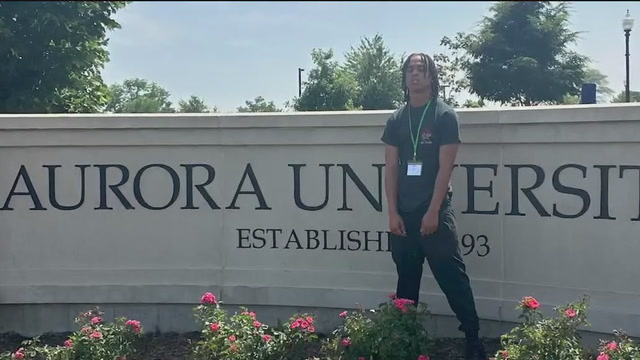
In collegiate sports, the stakes for athletes can be particularly high. Scholarships represent both financial support and opportunities for professional advancement. Losing a scholarship can mean being forced to pause education, take on work to save money, or transfer schools and start over in new academic and athletic systems. For Williams, leaving Aurora University means working while preparing to search for a new school where he hopes to resume his football career. He has expressed determination to continue pursuing his goals, but his path has been disrupted in ways he could not have anticipated when he first committed to the university.
Athletic programs often emphasize discipline, teamwork, and respect, yet the responsibility to enforce these values consistently lies with coaches and administration. When institutions fail to address misconduct transparently and decisively, the individuals affected by discrimination can experience long-term emotional and academic consequences. Brook Williams’ situation demonstrates how the response to harassment can be as impactful as the harassment itself. Feeling ignored or sidelined by authority figures can compound the harm already caused by peers.
One of the challenges for universities is balancing privacy and due process with the need to maintain trust among students. However, the confidence that athletes place in their coaches and teammates is foundational to their performance and their sense of belonging. When that trust breaks down, the consequences often go beyond sports.
Looking Ahead for Williams and Collegiate Athletics
The path forward for Williams remains developing. He has stated that he plans to continue training and hopes to join another college football program in the future. For many athletes in similar situations, transferring represents both a new opportunity and a chance to leave behind environments that failed to support them. Yet, the emotional impact of feeling unwelcome within a team can be long-lasting, particularly when the sport has been central to a player’s identity and aspirations.
The incident at Aurora University contributes to a broader national conversation about how institutions respond to racism, particularly when it occurs within environments often idealized as merit-based and equalizing. Athletic programs have begun to adopt more explicit policies addressing discrimination, but the effectiveness of those measures depends on follow-through, consistency, and the willingness of leadership to prioritize student well-being over public perception or competitive performance.
Williams’ decision to walk away from his scholarship underscores the difficult choices that young athletes may be forced to make when they encounter racial hostility in settings that were expected to be supportive. The situation continues to raise questions about how colleges can strengthen accountability systems and create climates in which students do not fear isolation or retaliation for speaking up.
Williams’ story remains one example among many that point to the ongoing work needed within collegiate sports to ensure players can participate in environments that are safe, respectful, and conducive to growth.
A+ content.
Trang Chủ XN88 không yêu cầu KYC phức tạp – đăng ký bằng SĐT hoặc email là có thể chơi ngay. Rút tiền chỉ cần xác minh đơn giản. TONY03-20