
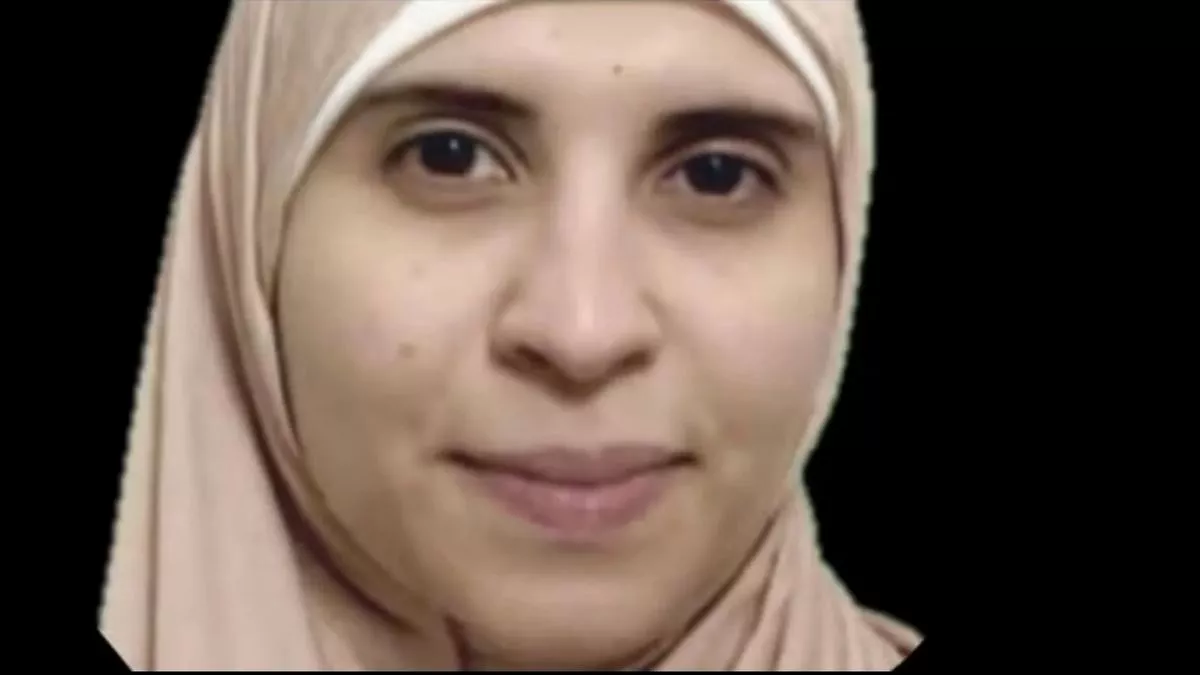
Dr. Rasha Alawieh, a respected physician and assistant professor at Brown Medicine, has found herself at the center of a legal and diplomatic controversy after being deported from the United States despite holding a valid visa.
Her case has sparked outrage in the academic and medical communities, with many questioning the actions of US Customs and Border Protection (CBP) and the apparent violation of a federal court order that had temporarily halted her deportation.
Rasha Alawieh, a Lebanese citizen, had traveled to Lebanon to visit her family and was returning to resume her duties at Brown University when she was detained at Boston Logan International Airport.
She was held for 36 hours without contact with legal counsel before being forcibly removed from the country and sent back to Lebanon. Court documents allege that her deportation occurred in direct defiance of a judge’s order, raising serious concerns about due process and the treatment of legal visa holders in the United States.
Legal Violations and Court Orders Ignored
The case has taken on a legal dimension as Rasha Alawieh’s relatives and attorneys fight to have her reinstated in the US. Court documents reveal that she was detained without justification and that CBP failed to provide any information regarding the reason for her expedited removal.
On Friday, the U.S. District Court for the District of Massachusetts issued an emergency order stating that Alawieh should not be removed from the state without at least 48 hours’ notice, giving the court time to review the matter. However, despite this clear directive, CBP allegedly proceeded with her deportation, disregarding the court’s ruling.
Attorneys representing Rasha Alawieh have filed an urgent request to the court to intervene and order her immediate return to the US. A notice of court order violation submitted on Saturday accuses CBP of willfully disobeying the judicial directive and acting outside the bounds of legal authority. The legal team is now seeking an emergency hearing to address the situation and explore possible avenues for Alawieh’s reinstatement.
CBP, for its part, has defended its actions by stating that all arriving non-citizens bear the burden of establishing their admissibility to the United States. A spokesperson for the agency, Hilton Beckham, said in an official statement that CBP officers “adhere to strict protocols to identify and stop threats,” using rigorous screening procedures.
Read : Why Everyone in Japan Will Be Called Sato by 2531: Debate Over Married Surnames
However, no specific justification has been provided for why Rasha Alawieh, a fully credentialed academic and medical professional with an active H-1B visa, was deemed inadmissible and removed from the country.
Impact on Brown University and the Medical Community
The sudden deportation of Dr. Alawieh has caused disruption at Brown University, where she serves as an assistant professor in the Division of Nephrology. The court petition highlights the serious professional consequences of her removal, noting that her colleagues have had to take on additional responsibilities in her absence.
“The Division of Nephrology at Brown Medicine is extremely distressed at this treatment of their colleague,” the petition states. “She is an assistant professor and has serious responsibilities. Her colleagues have been covering for her, but that is no solution.”
Rasha Alawieh’s academic background and professional trajectory underscore the importance of her role at Brown. She obtained her medical degree from the American University of Beirut in 2015 and completed her residency at the American University of Beirut Medical Center in 2018.
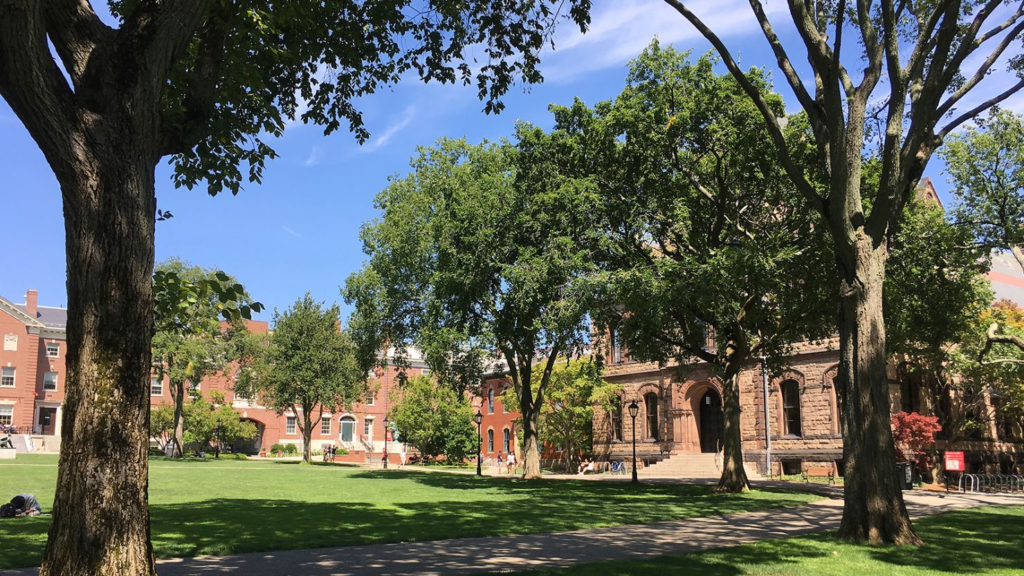
She entered the US on a J-1 visa in 2018 and pursued advanced medical training at several prestigious institutions, including Ohio State University, the University of Washington, and Yale Waterbury Internal Medicine Program, before securing her current position at Brown Medicine.
Brown University itself has responded cautiously to the situation. Spokesperson Brian Clark stated that the university is actively seeking more information about the circumstances surrounding Alawieh’s removal but emphasized the need to respect individual privacy.
However, within academic circles, the case is being viewed as a troubling precedent for international scholars and professionals working in the US on legal visas.
Broader Implications for Visa Holders and Due Process
Dr. Rasha Alawieh’s case raises larger questions about the treatment of legal visa holders at US ports of entry and the extent to which government agencies are bound by judicial oversight. The apparent defiance of a federal court order by CBP has alarmed legal experts, who warn that such actions undermine the rule of law and set a dangerous precedent.
Immigration attorneys argue that the handling of Alawieh’s case reflects broader systemic issues within the US immigration system, where individuals with valid visas can face arbitrary detentions and removals without clear explanations.
The lack of transparency and accountability in such cases fuels uncertainty and fear among foreign professionals working legally in the country.

Additionally, the incident has sparked concern among advocacy groups focused on academic freedom and international mobility. Universities rely on the contributions of foreign scholars, researchers, and medical professionals, and cases like Alawieh’s can discourage talented individuals from pursuing opportunities in the US.
Critics argue that if individuals with valid work visas can be summarily deported without due process, it calls into question the reliability of the US immigration system for skilled professionals.
The next hearing on Alawieh’s case is scheduled for Monday morning, where her legal team will argue for her immediate return. The outcome of the hearing could have significant implications not only for Alawieh but for the broader community of international professionals navigating the complexities of US immigration law.
For now, Rasha Alawieh remains in Lebanon, awaiting the legal proceedings that will determine whether she can return to the life and career she had built in the United States.
Her case serves as a stark reminder of the vulnerabilities faced by even the most highly skilled and legally compliant immigrants when faced with the unpredictable enforcement actions of government agencies.