
For nearly three decades, the brutal murder of 81-year-old Gerthie Carolina remained an unsolved mystery, haunting the small town of Sasakwa, Oklahoma. Known as “Granny” to those who loved her, Carolina was viciously attacked in her home on August 11, 1997.
Her body was discovered in a pool of blood, hacked to death with what authorities now believe was a machete or an ax. The case eventually went cold as no strong leads surfaced.
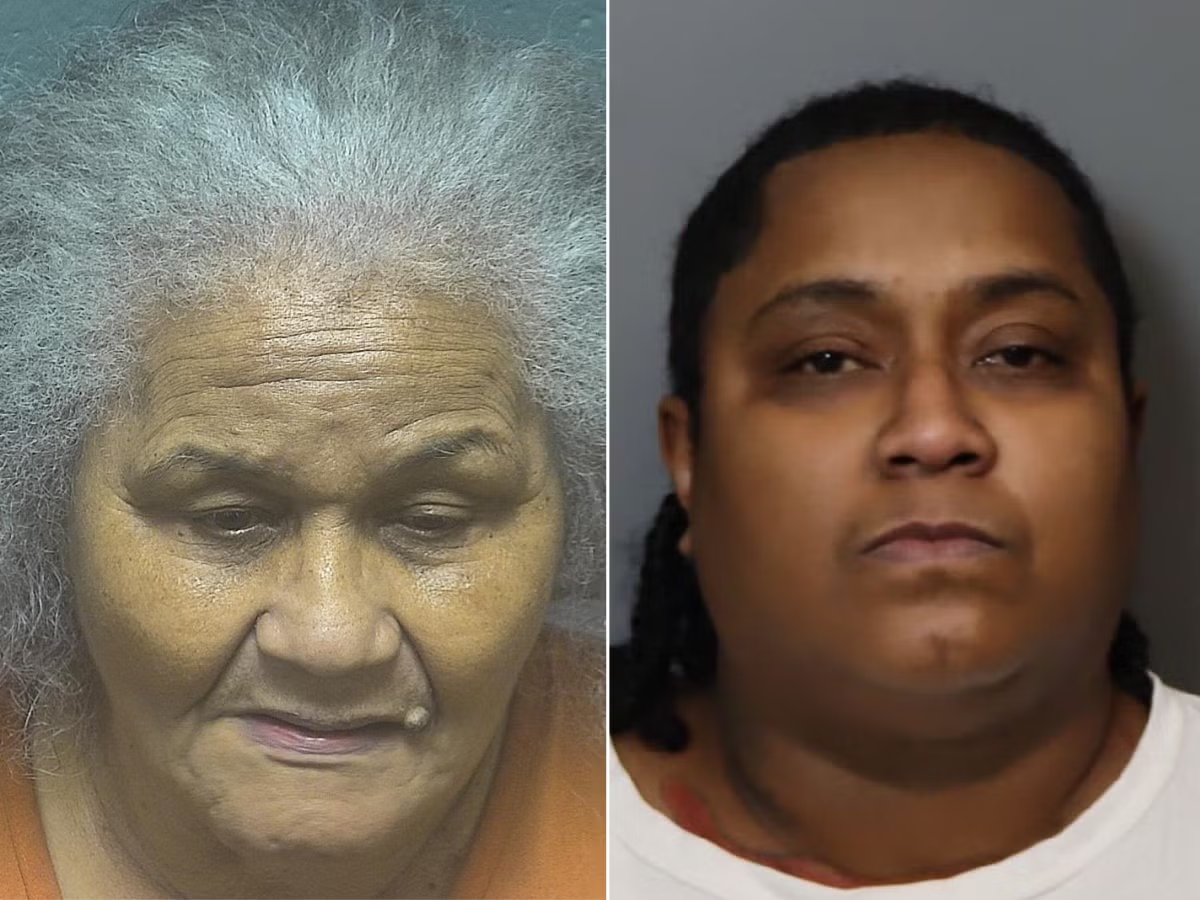
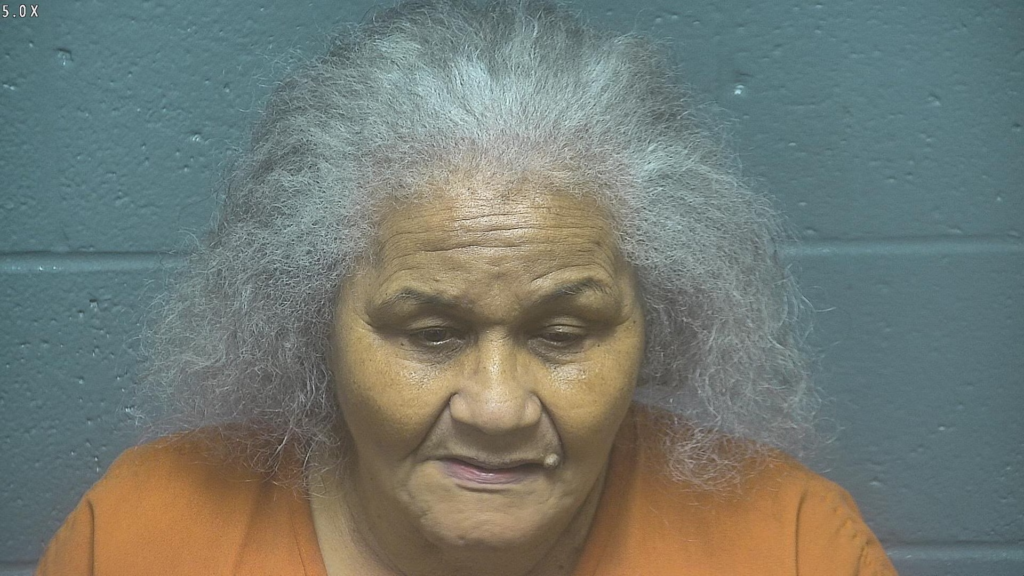
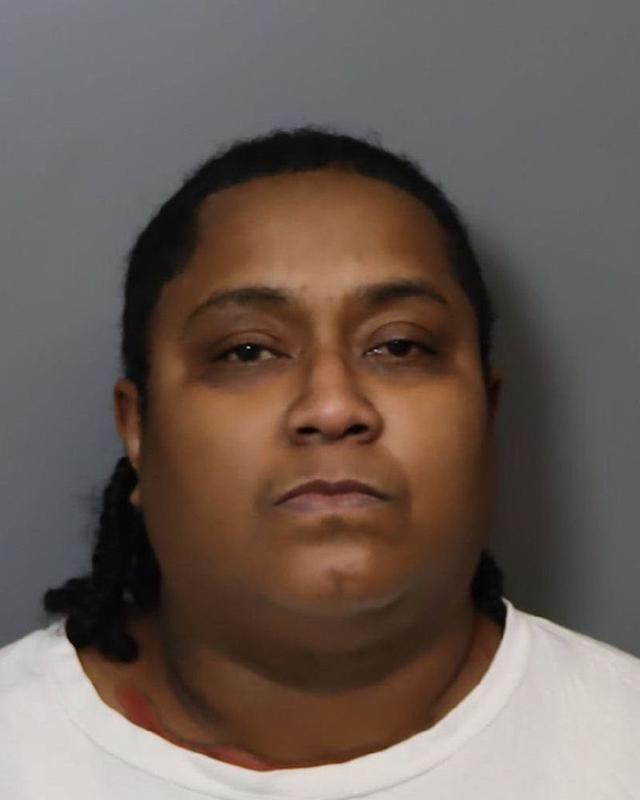
However, in 2024, advancements in forensic technology and a fresh look at the evidence led to a shocking breakthrough: two of Carolina’s own relatives, her niece Carolyn Foreman, 81, and her grand-niece Dakota Davis, 45, were arrested and charged with her murder.
Investigators allege that greed was the primary motive behind the killing, as the accused sought to claim Carolina’s $40,000 inheritance.
The Long-Awaited Breakthrough in a Cold Case
In 1997, authorities struggled to find concrete evidence linking anyone to the crime. Carolina had been found dead on her kitchen floor, brutally stabbed and beaten. The autopsy confirmed multiple stab wounds, incised wounds, and blunt force trauma as the causes of death. The scene painted a picture of extreme violence, but no definitive suspects were immediately identified.
For years, investigators faced an uphill battle in solving the case. Witnesses provided limited and sometimes conflicting accounts, and without substantial forensic evidence, the case gradually went cold. Between 1997 and 2005, the Oklahoma State Bureau of Investigation (OSBI) conducted interviews with individuals who had connections to Carolina and her family, but no arrests were made.
Read : 13-Year-Old Girl Charged With Murder After Woman’s Body Found in A House in Wellingborough
It wasn’t until 2023, nearly three decades after the crime, that OSBI agents revisited the case with fresh eyes. Forensic experts re-examined a crucial piece of evidence—an old shoe that had been collected from the crime scene in 1997. This shoe, which had been stored in evidence for years, was retested using advanced forensic techniques.
Read : Nikki Haley Criticized for Writing ‘Finish Them’ on Israeli Shell
To the shock of investigators, a bloodstain on the side of the shoe was identified as belonging to Gerthie Carolina. This revelation provided the breakthrough that had eluded authorities for decades, directly linking Dakota Davis to the crime scene.
A Crime Motivated by Greed and Betrayal
Investigators believe that financial gain was the primary motivation behind Carolina’s murder. In 1996, a year before her brutal killing, Carolina had purchased a $40,000 certificate of deposit (CD). Shortly thereafter, she transferred the CD into a living trust, naming Carolyn Foreman as the beneficiary.
Carolina, who had no children of her own, entrusted Foreman with the responsibility of dividing her estate among the rest of the family. However, just days after Carolina was murdered, Foreman wasted no time in cashing out the $40,000 CD.
Investigators allege that Foreman, then 53, conspired with her 17-year-old grand-niece Dakota Davis to kill Carolina in order to expedite their access to the money. According to court documents, Davis later admitted to multiple individuals that she had carried out the gruesome attack, sometimes describing how she used a machete and other times claiming she wielded an ax.
Witnesses reported hearing Davis confess to the crime over the years, with one of the most damning statements coming from her own father. He told authorities that in 2001, Davis had admitted to him that she “chopped up” Carolina while Foreman urged her to strike the elderly woman again and again.
Further investigation revealed that Carolina had grown increasingly frustrated with Foreman before her death. She suspected that Foreman had been siphoning money from her bank account to pay personal bills, which may have heightened tensions within the family.
It is believed that Carolina’s awareness of this financial exploitation ultimately led to her murder, as Foreman and Davis sought to silence her and secure their claim to her assets.
Arrests, Legal Proceedings, and the Pursuit of Justice
With the new forensic evidence and witness statements, authorities secured arrest warrants for Carolyn Foreman and Dakota Davis. On March 5, 2024, Foreman was taken into custody in Midwest City, Oklahoma, while Davis was arrested in Sacramento, California. Both women have been charged with first-degree murder and conspiracy to commit murder, finally facing justice for a crime committed nearly three decades earlier.
The arrest of Foreman raises further suspicions about her past. In 1999, just two years after Carolina’s murder, Foreman was charged with first-degree murder in connection with the fatal shooting of a 16-year-old.
That charge was eventually dismissed, but her son, Billy Earl Parker, was later found guilty of the same murder in 2007 and is currently serving a life sentence. The connection between these violent incidents paints a disturbing picture of Foreman’s potential involvement in other crimes.
Prosecutors have emphasized that this case is a testament to the unwavering dedication of law enforcement officers who never gave up on seeking justice for Gerthie Carolina. The OSBI’s relentless pursuit of new forensic evidence and their willingness to revisit cold cases have demonstrated the power of modern investigative techniques.
The upcoming legal proceedings will determine the fate of Foreman and Davis, but for the residents of Sasakwa and Carolina’s remaining family members, the arrests bring a sense of closure.
For nearly 27 years, they lived without answers, unsure if those responsible for the heinous crime would ever be held accountable. Now, with a trial on the horizon, the hope is that Carolina’s memory will be honored through the justice system’s ability to finally serve her the justice she was denied for so long.
As the trial unfolds, legal experts anticipate a high-profile case that will delve into the complexities of forensic advancements, long-standing witness testimonies, and the dark motives of those who betrayed their own blood. Regardless of the outcome, the reopening of this case serves as a reminder that justice may be delayed, but it is never truly forgotten.