

The arrest of Bryan J. Laas, a 60-year-old Ohio resident, has drawn renewed public attention to violent repeat offenses and parole supervision following his alleged involvement in the death of his neighbor, Julie Miller. Authorities say the killing occurred less than two years after Laas was released from prison for an earlier attempted murder conviction, intensifying scrutiny of his criminal history and the circumstances surrounding his return to the community.
The case centers on an incident inside a residential apartment complex where neighbors lived in close proximity, turning what might otherwise have been an ordinary environment into the site of a fatal confrontation. Investigators allege that Laas entered Miller’s apartment and struck her repeatedly in the head, leading to her death. The violence of the alleged attack and the suspect’s prior conviction for a similarly brutal assault have shaped the early narrative of the case.
Law enforcement officials responded quickly after the discovery of Miller’s body, classifying the death as a homicide and arresting Laas soon afterward. Court proceedings have already begun, and prosecutors are pursuing serious charges that could result in severe penalties if he is convicted. The case has unfolded within a broader context of criminal justice policy, parole monitoring, and community safety concerns. While the investigation continues, many of the known facts already paint a detailed picture of both the alleged crime and the legal process now underway.
Events Leading to the Fatal Attack
Police responded to an apartment complex in Toledo on February 16 after reports that Miller had been found unresponsive in her home. Officers arriving at the scene discovered that she had suffered fatal injuries. The following day, authorities formally ruled her death a homicide. The rapid progression from initial response to homicide classification reflected the severity of the injuries and the presence of evidence indicating a violent encounter.
According to investigators, the suspect and the victim lived in the same residential complex. This proximity meant they were not strangers separated by distance or circumstance but neighbors whose daily routines likely overlapped. Although officials have not publicly identified a motive, the alleged entry into Miller’s apartment and the repeated blows to her head suggest a direct and personal confrontation. Details contained in an arrest affidavit state that Laas admitted to going into the apartment and striking Miller multiple times, resulting in her death.
The investigation was handled by Toledo Police Department, which gathered evidence from the scene and conducted interviews that ultimately led to Bryan J. Laas’s arrest. Authorities have not disclosed what triggered the alleged attack, leaving unanswered questions about the circumstances immediately preceding the violence. Investigators have also not indicated whether there had been prior disputes between the neighbors or whether the encounter developed suddenly.
After his arrest, Laas appeared in court on February 18. A judge set his bond at $3 million, reflecting the seriousness of the charges and the potential danger he is considered to pose. He now faces counts of murder and felonious assault. Court scheduling records indicate a preliminary hearing set for February 25, during which prosecutors are expected to present evidence supporting the charges while defense counsel may begin outlining legal arguments.
Bryan J. Laas is currently being held at Lucas County Jail, where he remains in custody pending further court proceedings. His detention underscores the gravity of the allegations and the court’s determination that release before trial is not appropriate without substantial financial security.
Read : Houthi Rebels Hit Back After US Military Destroys 3 Vessels in Red Sea
The immediate aftermath of the alleged killing has left the apartment complex shaken. Residents who lived near Miller’s unit have had to process the sudden loss of a neighbor alongside the reality that the suspect lived among them. The proximity of victim and accused has amplified community concern and heightened attention to the investigation as it continues.
A Violent Past and Recent Release from Prison
Central to public reaction is the suspect’s criminal history, particularly his conviction for an earlier violent attack against a family member. Laas had previously been imprisoned after attempting to kill his sister with a hammer, an assault that occurred years before the current allegations. That earlier crime resulted in a conviction in 2018 and a prison sentence lasting approximately six and a half years.
Records from the Ohio Department of Rehabilitation & Correction confirm that Bryan J. Laas was released on parole in October 2024. His release placed him back into the community roughly a year and a half before the death of Miller. The relatively short period between parole and the alleged new offense has become one of the most closely examined aspects of the case.
The earlier attempted murder involved a hammer, a weapon that prosecutors described at the time as evidence of extreme violence and intent to cause fatal harm. Authorities in that prior investigation, including Perrysburg Township Police Department, documented the severity of the injuries and the circumstances surrounding the attack. The conviction established a record of serious violent behavior, one that prosecutors in the current case may reference when addressing issues such as bail, sentencing, or public safety risk.
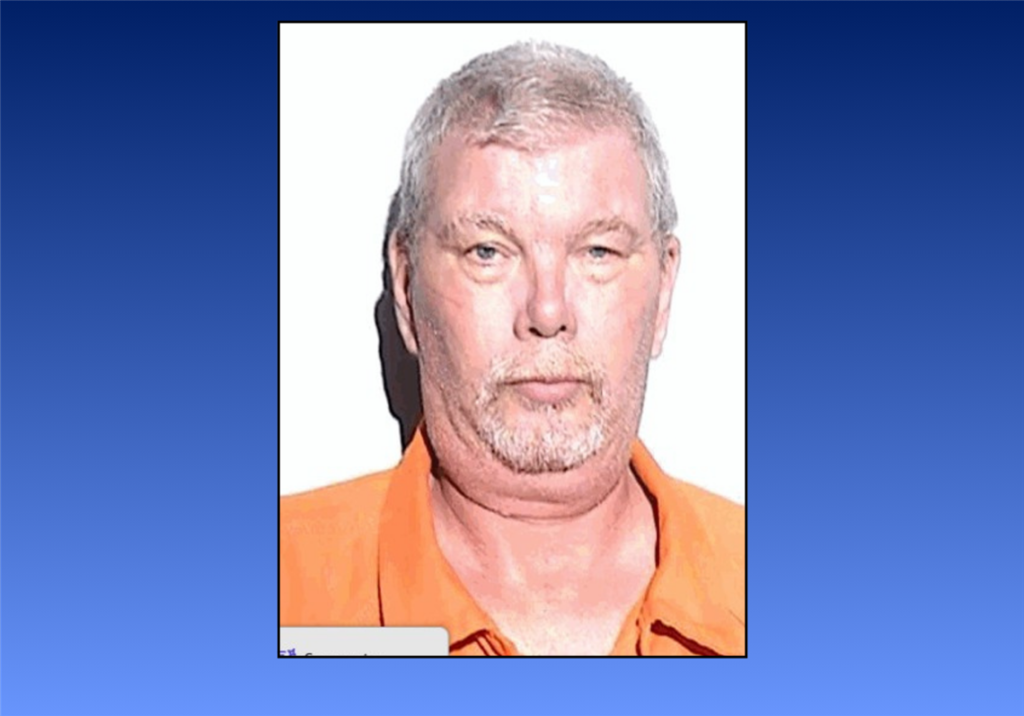
Parole is designed to allow individuals to reenter society under supervision after serving part of their sentence. Conditions often include monitoring, restrictions on behavior, and regular reporting requirements. However, the effectiveness of parole supervision can vary widely depending on resources, compliance, and individual circumstances. When a person previously convicted of attempted murder is later accused of another homicide, attention often turns to whether warning signs were present or whether intervention might have prevented the alleged offense.
Officials have not released details regarding Laas’s conduct during parole, nor have they indicated whether any violations or concerns were documented before Miller’s death. Without such information, it remains unclear whether his time outside prison involved compliance with supervision requirements or whether authorities had reason to believe he posed an elevated risk.
The pattern of violent conduct alleged in both cases has drawn comparisons between past and present incidents. In each instance, prosecutors describe repeated blows delivered to the head of the victim. The similarities have shaped public perception of the suspect and contributed to concerns about recurring violent behavior following incarceration.
Legal experts note that prior convictions do not automatically determine guilt in a new case. Each criminal charge must be proven independently based on evidence specific to the alleged offense. Nonetheless, criminal history can influence various stages of the legal process, including bail decisions, plea negotiations, and sentencing if a conviction occurs.
Legal Proceedings and Community Impact
The case has now moved into the judicial phase, where evidence will be presented, legal arguments examined, and procedural steps followed before any determination of guilt or innocence. The preliminary hearing scheduled for late February will provide prosecutors with an opportunity to demonstrate probable cause supporting the charges. Defense attorneys may challenge the sufficiency of evidence, the circumstances of the alleged confession, or procedural aspects of the investigation.
If the case proceeds to trial, jurors would be asked to evaluate testimony, forensic findings, and any statements attributed to the defendant. Prosecutors would need to establish that Bryan J. Laas intentionally caused Miller’s death, while defense counsel could seek to dispute the prosecution’s narrative or raise alternative interpretations of the evidence.
Read : Aaron DePaul Allen Arrested After Fatally Shooting Neighbor’s Pit Bull That Killed His Dog
The high bond amount reflects the court’s assessment of both the severity of the alleged crime and the defendant’s criminal history. Bail decisions often consider risk of flight, danger to the community, and prior conduct. In cases involving alleged homicide, especially when accompanied by previous violent convictions, judges frequently set substantial financial conditions or deny release altogether.
Beyond the courtroom, the case has affected residents of the apartment complex and the surrounding neighborhood. Violent crimes between neighbors can produce lasting psychological effects, as they disrupt the sense of security associated with shared living spaces. For many residents, the knowledge that both victim and accused lived within the same building has intensified feelings of vulnerability.
Community reaction also reflects broader concerns about public safety and the management of individuals released from prison after serious violent offenses. Discussions often emerge about how supervision systems function, what resources are available for monitoring high-risk individuals, and how communities can respond when such cases arise.
For Miller’s acquaintances and neighbors, the legal process represents only one dimension of the aftermath. The loss of a resident known within the community has created a personal impact that extends beyond legal definitions of homicide and criminal charges. Court proceedings will determine legal responsibility, but the social consequences of the alleged crime will remain embedded in the community long after the case concludes.
As the investigation continues and the court process unfolds, authorities are expected to release additional information regarding evidence, potential motive, and procedural developments. The coming hearings will shape the trajectory of the case, establishing whether it proceeds to trial and how the legal arguments evolve in response to the facts presented.