
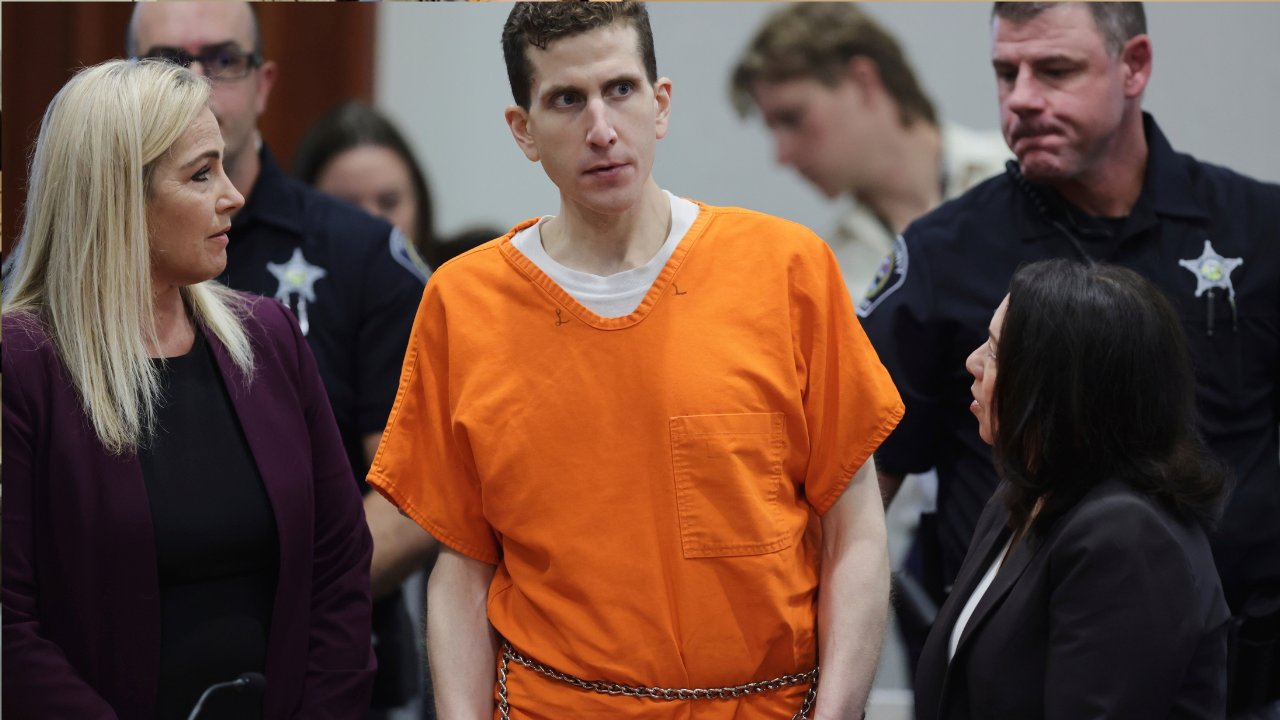
In a chilling development in one of the most high-profile criminal cases in recent American history, Bryan Kohberger, the man convicted of murdering four University of Idaho students in November 2022, revealed in a court filing that he was diagnosed with four mental health and neurological disorders just months before pleading guilty.
The 30-year-old, now serving four consecutive life sentences without parole, disclosed diagnoses of Level 1 autism, obsessive-compulsive disorder (OCD), attention-deficit/hyperactivity disorder (ADHD), and avoidant/restrictive food intake disorder (ARFID). These revelations, made public through newly unsealed court documents, have added a complex layer to the case that has gripped the nation.
Kohberger’s Mental Health Diagnoses: What We Know
In a June 2025 court filing, obtained by People magazine, Bryan Kohberger disclosed that he was diagnosed with four mental health and neurological conditions in February 2025, just months before his guilty plea on July 2, 2025. The diagnoses include Level 1 autism, OCD, ADHD, and ARFID, each of which carries distinct characteristics that may shed light on Kohberger’s behavior and mental state.
The filing was part of a guilty plea advisory, in which Bryan Kohberger affirmed his constitutional rights and mental competency to enter a plea, stating that he was not under the care of a mental health professional and was capable of understanding the legal proceedings. Level 1 autism, as described by Autism Speaks, is the mildest form of Autism Spectrum Disorder (ASD). Individuals with this diagnosis may struggle with initiating social interactions, maintaining conversations, or adapting to changes in routines, but they often function at a high level in other areas.
Bryan Kohberger, a former Ph.D. student in criminology at Washington State University, reportedly exhibited socially awkward behaviors, which his defense team later attributed to this condition. For instance, former classmates and inmates noted his intense stare and difficulty connecting with others, traits that could align with Level 1 autism. Obsessive-compulsive disorder, as defined by the Mayo Clinic, involves persistent, unwanted thoughts (obsessions) that lead to repetitive behaviors (compulsions) aimed at alleviating anxiety.
Bryan Kohberger’s defense team highlighted his OCD as a possible explanation for behaviors observed before his arrest, such as compulsively washing his hands, wearing gloves to avoid germs, and placing trash in bags. These actions, they argued, were not necessarily indicative of criminal intent but rather symptoms of his condition. Additionally, Kohberger’s reported alibi—that he was driving late at night to look at the moon during the time of the murders—was attributed to sleep disturbances caused by OCD.
Attention-deficit/hyperactivity disorder (ADHD), according to the Mayo Clinic, is a developmental disorder characterized by difficulties with focus, impulse control, and hyperactivity. While often diagnosed in childhood, adults with ADHD may experience challenges such as unstable relationships, poor academic or work performance, and low self-esteem. Kohberger’s ADHD diagnosis may have contributed to his reported struggles with social interactions and his academic demeanor, which some peers described as condescending or overly explanatory, particularly toward female classmates.
Read : Bryan Kohberger Labeled ‘Shower-Hogging Weirdo’ Who Calls Mom Daily for Hours by Fellow Inmates
Avoidant/restrictive food intake disorder (ARFID), as explained by the National Eating Disorders Association, involves extreme selectivity in food intake due to sensory sensitivities, lack of interest in eating, or fear of negative consequences like choking or vomiting. Unlike other eating disorders, ARFID is not driven by concerns about body image or weight.
Read : Top Ten Most Powerful Leaders in the World and Their Educational Qualifications
Bryan Kohberger’s childhood friends and acquaintances noted his severe eating restrictions and adherence to a rigid vegan diet, which may align with this diagnosis. Some reports also suggested a past heroin addiction, though Kohberger stated in the court filing that he was not taking any medication for his mental health conditions, only levothyroxine for hypothyroidism, a condition unrelated to his neurological diagnoses.
Legal and Ethical Implications of the Diagnoses
The disclosure of Bryan Kohberger’s mental health conditions has sparked significant debate about their relevance to his crimes and sentencing. In Idaho, where the murders took place, there is no insanity defense available, meaning Kohberger’s diagnoses could not be used to argue that he was not responsible for his actions. However, his defense team attempted to leverage these conditions to mitigate his punishment, particularly to argue against the death penalty.
They contended that his diagnoses explained certain behaviors, such as his aloof demeanor and obsessive habits, and suggested that these conditions contextualized his actions around the time of the murders. Despite these efforts, the court ruled that the diagnoses did not preclude the possibility of the death penalty, though Bryan Kohberger ultimately accepted a plea deal that spared him from execution in exchange for guilty pleas to four counts of first-degree murder and one count of burglary.
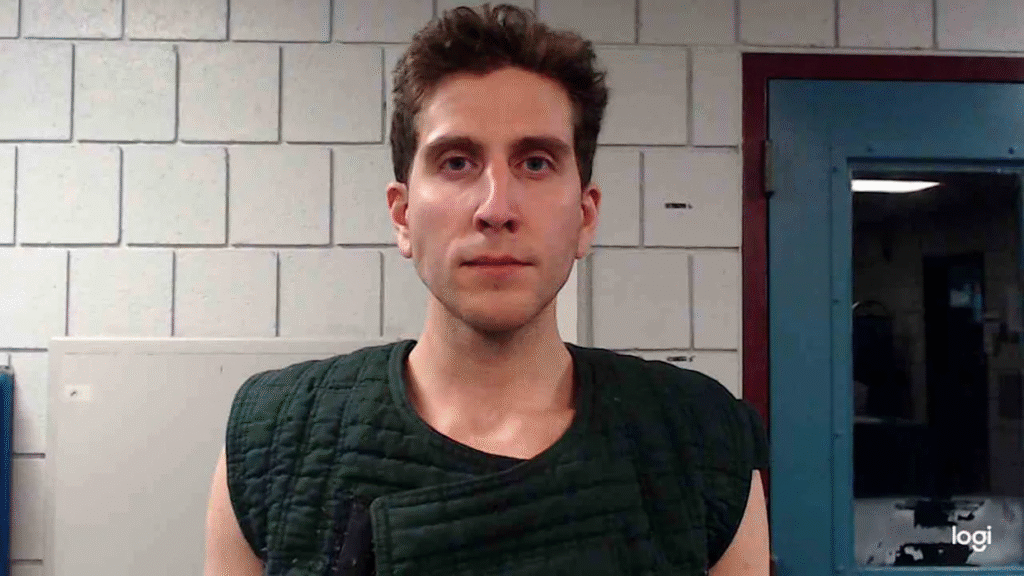
The plea deal, finalized on July 2, 2025, resulted in Bryan Kohberger receiving four consecutive life sentences without parole, plus an additional 10 years for burglary and substantial financial penalties, including $50,000 for each murder count and $5,000 in civil penalties to each victim’s family. During the sentencing hearing on July 23, 2025, Kohberger declined to speak, leaving the victims’ families and the public without answers about his motive.
Latah County Prosecutor Bill Thompson noted that FBI behavioral experts had indicated early in the investigation that the lack of a clear connection between Bryan Kohberger and the victims—Kaylee Goncalves, Madison Mogen, Xana Kernodle, and Ethan Chapin—made it unlikely that a definitive motive would ever be established. Thompson emphasized that even if Kohberger had provided an explanation, it might not have made sense to anyone but himself.
The unsealing of Bryan Kohberger’s mental health records, initially provided to prosecutors in January 2025, has raised questions about transparency and privacy in high-profile cases. Ada County Judge Steven Hippler, who oversaw the case, unsealed the protective order on these records in February 2025, citing no compelling reason to keep them from the public. This decision marked a shift toward greater transparency, as other documents, such as those related to investigative genetic genealogy evidence, were also partially unsealed.
However, some critics argue that releasing such sensitive information risks stigmatizing mental health conditions, particularly when they are not directly linked to the criminal act. Experts, including those cited by ABC News, have cautioned that individuals with mental health disorders, including those diagnosed by Bryan Kohberger, are not inherently more prone to violence and are, in fact, more likely to be victims of violent crimes.
The Broader Context: Mental Health and Criminal Justice
Bryan Kohberger’s case has reignited discussions about the intersection of mental health and the criminal justice system. While his diagnoses provide a glimpse into his psychological profile, they do not offer a clear explanation for why he committed the brutal murders of four University of Idaho students. The case has highlighted the complexities of addressing mental health in legal proceedings, particularly in states like Idaho, where legal frameworks limit the use of mental health defenses.
The absence of an insanity defense means that defendants must rely on mitigation strategies, which may not always sway judicial outcomes, especially in cases involving heinous crimes. Moreover, Kohberger’s diagnoses have prompted reflection on societal perceptions of neurodiverse conditions and mental disorders. Autism, OCD, ADHD, and ARFID are relatively common conditions that affect millions of people, many of whom lead productive, non-violent lives.
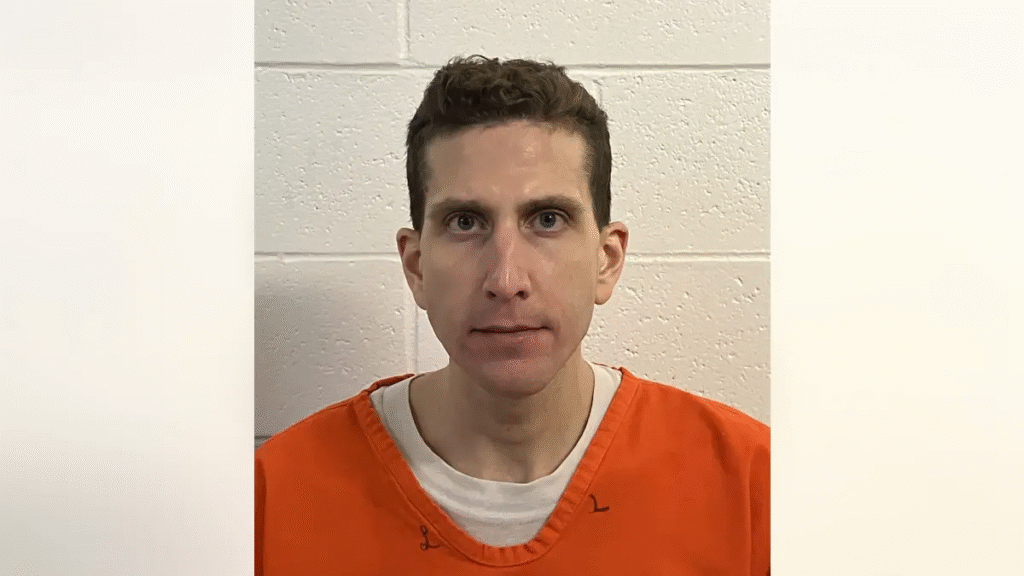
The public disclosure of Kohberger’s diagnoses risks perpetuating harmful stereotypes, particularly when media coverage emphasizes these conditions in the context of his crimes. This underscores the need for careful reporting and public discourse to avoid conflating mental health challenges with criminal behavior. The case also raises questions about the role of mental health support in preventing such tragedies.
Kohberger’s history, as reported by The New York Times, includes a troubled adolescence marked by anxiety, depression, depersonalization, and suicidal thoughts, compounded by a neurological condition called visual snow syndrome. He reportedly struggled with social isolation and was bullied by peers, experiences that may have exacerbated his mental health challenges. While these early struggles do not excuse his actions, they highlight the importance of accessible mental health resources and early intervention, particularly for individuals with complex neurological and psychological profiles.
As Kohberger serves his life sentences in solitary confinement at the Idaho Maximum Security Institution, reports have emerged about his difficulties adjusting to prison life, including complaints about taunting from fellow inmates. The Idaho Department of Corrections has maintained that it provides a safe environment for all inmates, but Kohberger’s isolation and reported obsessive behaviors, such as prolonged showers and excessive hand-washing, suggest that his mental health conditions continue to influence his daily life.
Whether these conditions will prompt further legal or psychological evaluations remains unclear, but they will likely continue to shape discussions about his case. In conclusion, Bryan Kohberger’s diagnoses of Level 1 autism, OCD, ADHD, and ARFID have added a haunting dimension to an already tragic case. While these conditions provide context for his behavior, they do not explain the senseless loss of four young lives.
The case serves as a somber reminder of the complexities of mental health, the limitations of the legal system in addressing it, and the enduring pain felt by the victims’ families and the Moscow, Idaho, community. As the public grapples with these revelations, the focus remains on honoring the memories of Kaylee Goncalves, Madison Mogen, Xana Kernodle, and Ethan Chapin, whose lives were cut short in a tragedy that continues to resonate across the nation.