
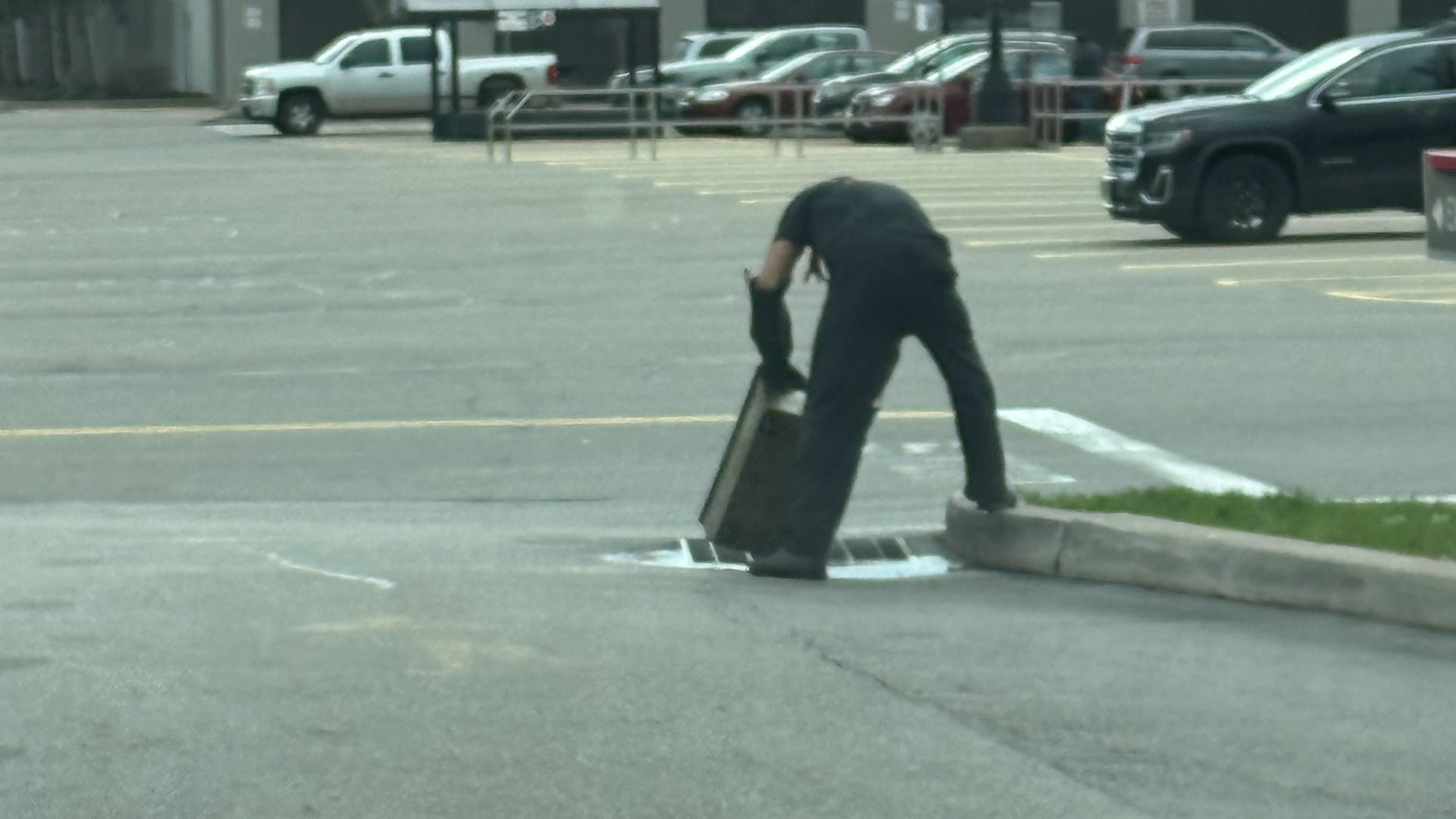
A routine visit to a fast-food drive-thru turned into an environmental concern after a witness captured video evidence of a Burger King employee pouring used cooking grease directly into a storm sewer. The incident, which took place at a restaurant located at the intersection of Mount Read Boulevard and Maiden Lane, quickly escalated into an official investigation involving environmental authorities. What appeared at first to be an isolated act of negligence has drawn attention to the broader consequences of improper waste disposal and the responsibilities businesses carry in protecting public waterways.
Doug Bates, the individual who recorded the incident, described witnessing two employees walk out of the restaurant carrying grease pans before emptying them into a nearby drain. His video clearly showed the act, and he later returned to the site to assess the aftermath. According to Bates, the area around the sewer drain was visibly coated with oil residue, and the smell of used grease lingered in the air. Concerned by what he saw, he attempted to clean up some of the mess himself using paper towels, though the scale of the contamination made it clear that professional intervention would be required.
Authorities soon became involved after the incident was reported, confirming that the substance dumped into the sewer posed a potential environmental hazard. The storm sewer in question feeds directly into Paddy Hill Creek, raising concerns about contamination of natural water sources. The situation underscores how a single act of improper disposal can have far-reaching consequences beyond the immediate area.
Witness Account and Immediate Environmental Concerns
The role of eyewitness Doug Bates proved crucial in bringing the incident to light. His decision to record the employees and document the aftermath provided tangible evidence that allowed authorities to respond quickly. Bates, who has experience in the food industry, immediately recognized that the act was not only improper but also illegal. His familiarity with standard waste disposal practices made it clear that restaurant grease should never be discarded into public drains or sewers.
Upon revisiting the location, Bates observed oil splattered around the storm drain, suggesting that the dumping may not have been a one-time occurrence. The strong odor of used grease further indicated that a significant quantity had been disposed of improperly. His attempt to absorb some of the grease using paper towels highlighted both the visible extent of the contamination and the difficulty of addressing such spills without proper equipment.
When officials arrived at the scene the following day, remnants of the grease were still visible in the sewer grate. Environmental teams assessed the situation and determined that approximately three to five gallons of grease had been dumped. While this amount may appear relatively small, even limited quantities of oil can have a serious impact on water systems. Grease does not dissolve in water and can travel long distances through drainage networks, eventually entering natural bodies of water.
Read : Billionaires in the US Are Freezing Themselves for Future Revival
To mitigate the damage, authorities installed a specialized absorbent device at the point where the sewer feeds into the creek. This precautionary measure was intended to capture as much of the grease as possible before it could spread further into the ecosystem. The response reflects the seriousness with which such incidents are treated, particularly when there is a risk to aquatic life and water quality.
Legal Violations and Environmental Impact
The dumping of grease into a storm sewer constitutes a clear violation of environmental regulations. According to officials, such actions are prohibited because storm drains are designed to carry rainwater, not industrial or food waste. Unlike sanitary sewer systems, which lead to treatment facilities, storm sewers often discharge directly into natural waterways without filtration. This makes any contamination especially dangerous, as pollutants can enter ecosystems almost immediately.
In this case, the grease entered a system that flows into Paddy Hill Creek, raising concerns about its potential impact on fish and other aquatic organisms. Oil and grease can form a film on the surface of water, reducing oxygen exchange and harming marine life. They can also coat plants and animals, disrupting natural processes and potentially leading to long-term ecological damage.
Read : 4-Year-Old Boy Hospitalized After Accidentally Shooting Himself in Finger Outside Burger King
Authorities cited the employee under Environmental Conservation Law for two specific violations: disposal of a substance injurious to fish and disposal of an unlawful substance into a public stream. These charges reflect the seriousness of the offense and the potential harm it could cause. The involvement of environmental police and a spill response team further emphasizes the regulatory framework in place to address such incidents.
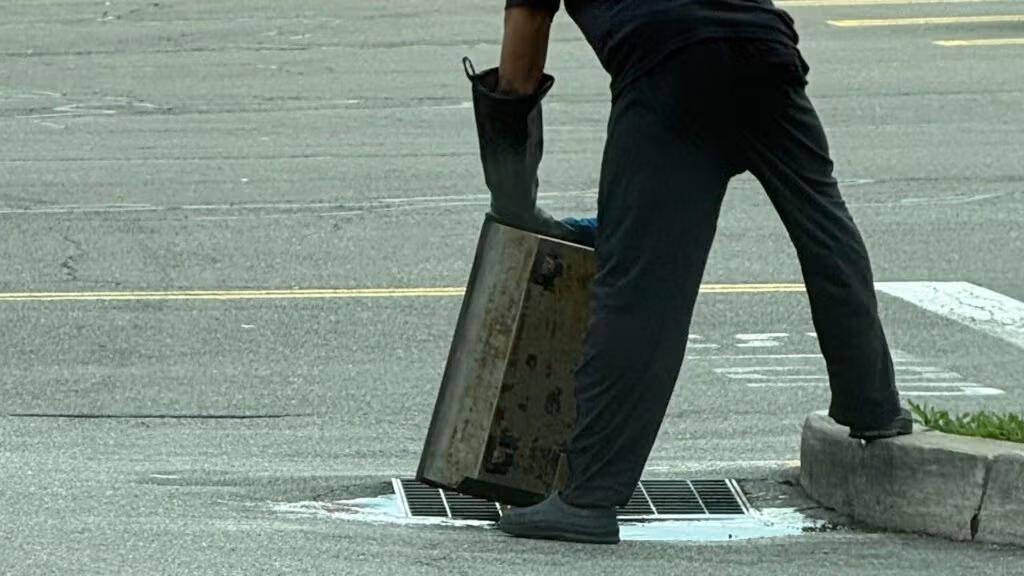
Beyond immediate environmental risks, the improper disposal of grease contributes to a broader infrastructure problem known as “fatbergs.” These are large accumulations of fats, oils, and grease that build up in sewer systems, causing blockages and requiring costly removal efforts. In major cities, such blockages account for a significant percentage of sewer maintenance expenses, with millions spent annually to clear them. While the incident in question involved a storm sewer rather than a sanitary system, it highlights the widespread issues associated with grease disposal.
The financial and environmental costs associated with such practices reinforce the importance of adhering to proper waste management procedures. Restaurants are typically equipped with designated systems, such as holding tanks, to safely store used cooking oil until it can be collected and processed. Bypassing these systems not only violates regulations but also undermines efforts to protect public infrastructure and natural resources.
Company Response and Ongoing Investigation
Following the incident, the franchise owner, JSC Management, issued a statement acknowledging the situation and outlining the steps taken in response. The company emphasized that the employee’s actions were not consistent with established policies or procedures. According to the statement, the matter was addressed immediately, with disciplinary measures implemented and additional training provided to reinforce proper practices.
JSC Management also stated that the restaurant is equipped with a functioning holding tank designed specifically for grease disposal. The existence of such a system suggests that the incident was not due to a lack of resources but rather a failure to follow established protocols. This distinction is important, as it shifts the focus from systemic issues to individual accountability and training.

The company expressed its commitment to operating responsibly within the community, highlighting the importance of environmental stewardship in its operations. While such statements are standard in response to incidents of this nature, they also reflect the broader expectations placed on businesses to maintain compliance with environmental regulations.
Meanwhile, the state’s Department of Environmental Conservation continues to monitor the situation in coordination with the local sewer department. Officials have indicated that they will ensure appropriate measures are taken to protect the environment and prevent further contamination. The installation of absorbent materials at the creek entry point is part of an ongoing effort to contain the spill and assess its impact.
The investigation remains active, with authorities evaluating both the immediate effects of the dumping and any potential long-term consequences. While the quantity of grease involved was relatively limited, the incident serves as a reminder of how quickly environmental risks can arise from seemingly routine actions. The case also underscores the role of public vigilance in identifying and addressing environmental violations. Without the actions of a witness like Doug Bates, the dumping might have gone unnoticed, allowing the grease to enter the creek without any intervention.
His decision to document and report the incident played a key role in triggering the official response. As the investigation continues, the incident stands as an example of the intersection between individual actions, corporate responsibility, and environmental protection. It highlights the importance of proper training, adherence to regulations, and community awareness in preventing similar occurrences in the future.
Tên: NK88
Great blog here! Additionally your site a lot up very fast! What web host are you the use of? Can I am getting your associate link to your host? I wish my site loaded up as fast as yours lol
Perfect piece of work you have done, this internet site is really cool with excellent info .