
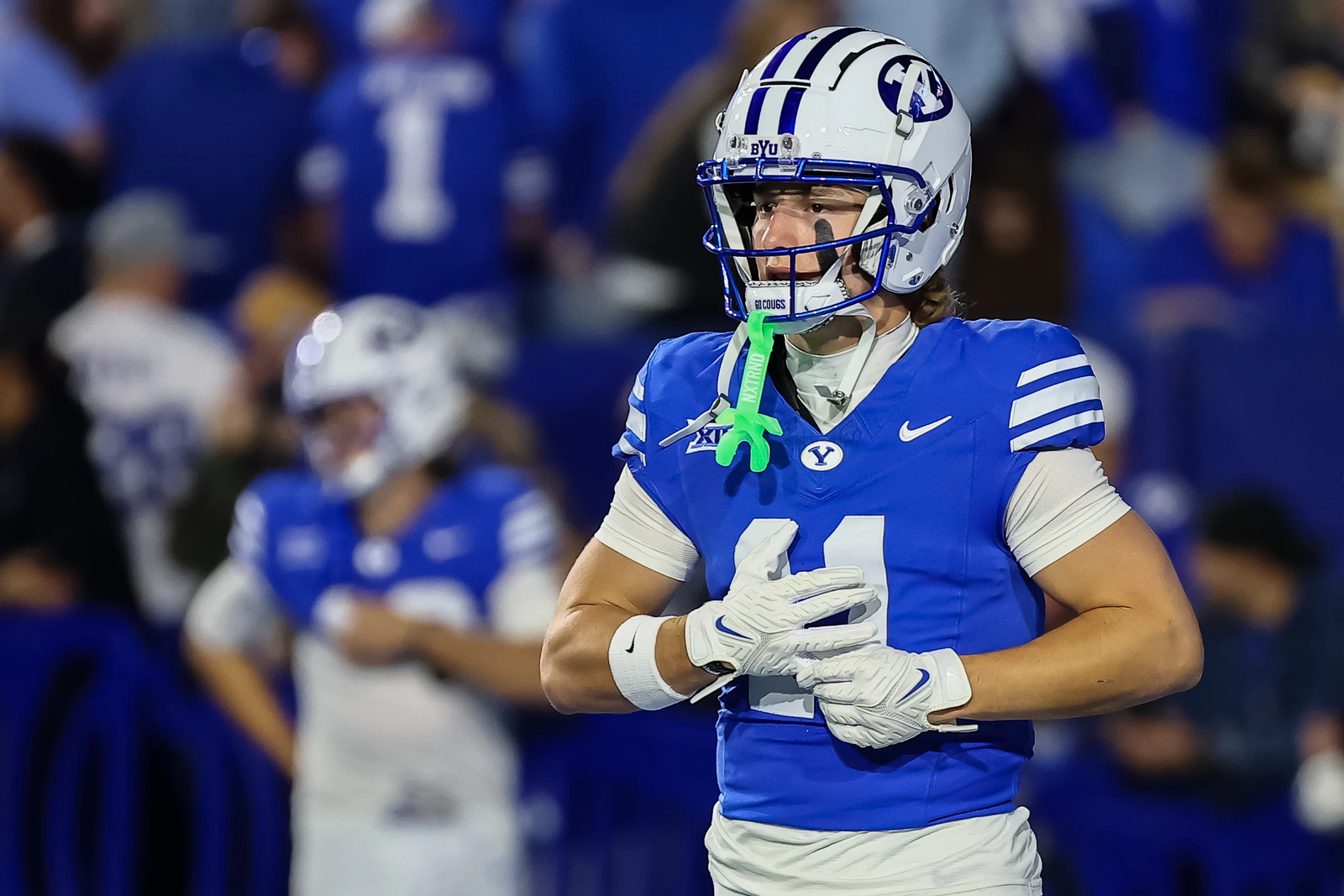
A first-degree felony rape charge has been filed against Brigham Young University standout wide receiver Parker Kingston, according to prosecutors in Washington County, Utah. The 21-year-old athlete is currently being held without bail in St. George, a city located near the Utah–Arizona border, as legal proceedings begin to unfold. Officials confirmed that Kingston is scheduled to make his initial court appearance on Friday, marking the first formal step in what could become a closely watched criminal case involving a prominent collegiate football player.
The charge stems from an investigation that prosecutors say began nearly a year earlier. Authorities reported that a woman, who was 20 years old at the time, told officers at a St. George hospital that she had been assaulted by Kingston on Feb. 23, 2025. Law enforcement officials stated they conducted an extensive investigation following the report, collecting digital and forensic evidence while also interviewing the individuals involved and additional witnesses. Based on that investigation, prosecutors determined there was sufficient basis to file the first-degree felony charge.
As of the latest updates, it remains unclear whether Parker Kingston has retained legal representation. Attempts to reach him for comment were unsuccessful, and a phone message left for his family was not immediately returned. Brigham Young University released a brief public statement acknowledging the situation, noting that it takes allegations of this nature seriously and will cooperate fully with law enforcement authorities. The university also stated that it would not provide further comment due to federal privacy laws and institutional policies governing student matters.
The case has drawn attention not only because of the seriousness of the charge but also due to Kingston’s status as a high-performing athlete within BYU’s football program. His on-field achievements have made him a recognizable figure among fans and within the collegiate sports community, intensifying public interest in the legal proceedings now underway.
Details of the Allegation and Investigation
According to Washington County prosecutors, the investigation began after the alleged victim sought medical care and reported the assault to authorities at a St. George hospital. Officials stated that the report prompted a detailed inquiry that spanned several months, during which investigators gathered evidence and conducted multiple interviews. Prosecutors indicated that both digital and forensic evidence played a role in the case, though specific details regarding the nature of that evidence have not been publicly disclosed.
Law enforcement officials also interviewed witnesses and individuals connected to the events surrounding the reported incident. While authorities have not released extensive information about the timeline or circumstances of the alleged assault, they emphasized that the investigation was thorough and methodical before charges were filed.
First-degree felony rape charges in Utah represent one of the most serious classifications of sexual offense under state law. Prosecutors must demonstrate substantial evidence supporting the allegation in order to pursue such a charge. The filing of the charge does not constitute a conviction, and the legal process will now determine how the case proceeds through the court system.
Kingston’s detention without bail reflects the severity of the charge, although decisions regarding bail can depend on several factors, including the nature of the alleged offense, potential risk to the community, and judicial determinations about flight risk. His initial court appearance will provide an opportunity for the court to formally address the charges and outline the next procedural steps.
At this stage, prosecutors have released only limited information about the case, and further details may emerge as court proceedings progress. The absence of a public response from Kingston or his representatives has left many aspects of the defense position unknown. Legal representation, if secured, may present arguments or evidence during upcoming hearings.
Investigations of this nature often involve extensive documentation, expert testimony, and procedural review before reaching trial. Depending on the course of the case, additional hearings, motions, and evidentiary proceedings may occur over an extended period.
BYU’s Response and Institutional Position
Brigham Young University addressed the situation in a concise statement, indicating that it treats allegations of serious misconduct with gravity and will cooperate with law enforcement authorities. The university also made clear that privacy laws and institutional policies limit the information it can publicly disclose regarding students and ongoing legal matters. Universities commonly face strict federal regulations governing the handling of student information, particularly in cases involving potential criminal conduct.
Read : 12 Men Charged with Manslaughter in Fatal Attack on Cambridge Fan Simon Dobbin
These regulations can restrict institutions from sharing details related to disciplinary actions, investigations, or student status while legal proceedings are ongoing. BYU’s statement did not specify whether Kingston remains affiliated with team activities or whether internal disciplinary measures have been initiated. Institutions often conduct their own administrative reviews separate from criminal investigations, though such reviews may proceed at different timelines or be paused pending legal outcomes.
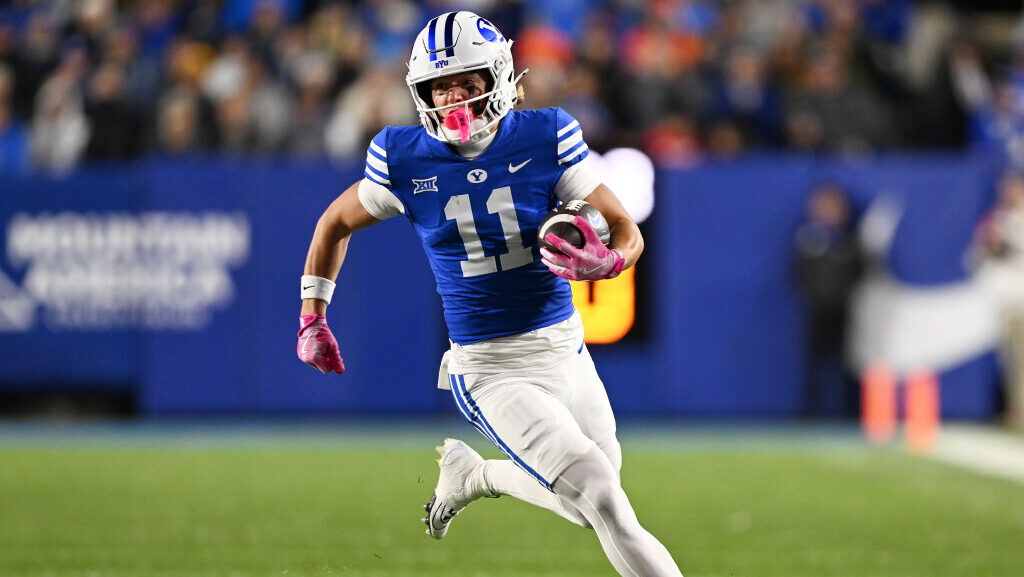
The university’s response reflects a standard institutional approach to high-profile allegations involving students or athletes. Cooperation with law enforcement, adherence to privacy laws, and limited public comment are typical elements of official statements in such situations. College athletic programs frequently operate under additional scrutiny when players face criminal allegations, particularly when those athletes hold prominent roles within their teams.
Universities must balance legal obligations, student rights, and public accountability when responding to such developments. In many cases, athletic participation decisions are made internally based on institutional policies, conference guidelines, and risk assessments. However, BYU has not publicly addressed Kingston’s playing status or any potential administrative action.
Parker Kingston’s Athletic Profile and Public Attention
Before the filing of criminal charges, Parker Kingston was widely recognized for his athletic performance during the previous football season. He led the team with 67 receptions and accumulated 928 receiving yards, recording five touchdown catches. His versatility extended beyond receiving duties, as he rushed for 199 yards on 25 carries and scored an additional touchdown on the ground.
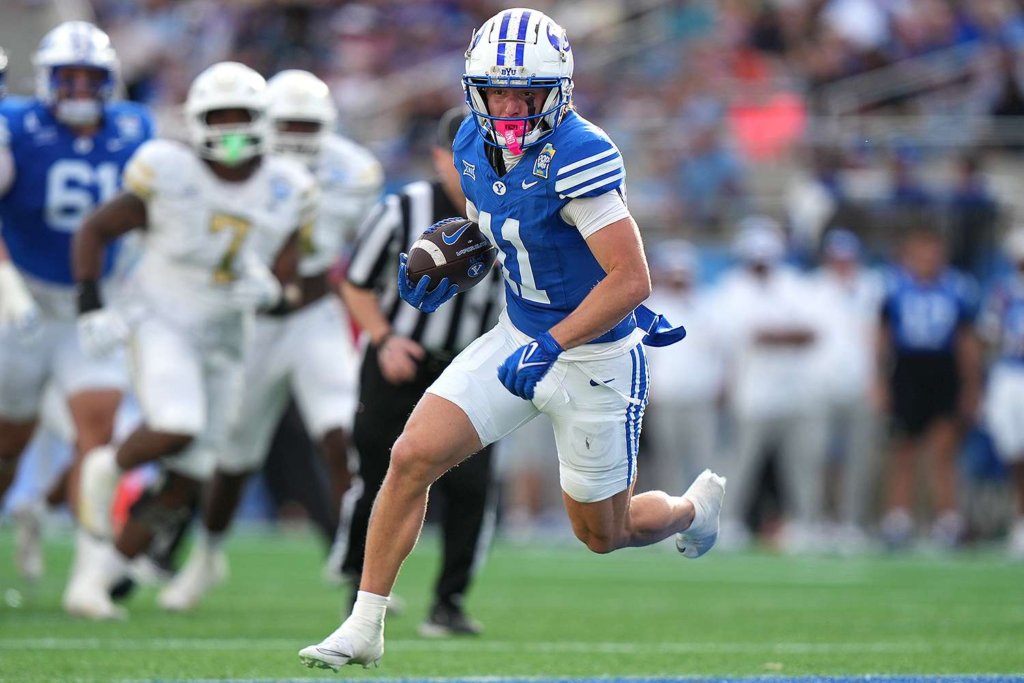
Parker Kingston also contributed on special teams, returning 17 punts for 230 yards and scoring a touchdown in that role. These statistics positioned him as a key offensive contributor and one of the team’s most productive players. His performance helped establish his reputation as a standout wide receiver within the program.
Athletes who achieve such levels of visibility often attract heightened media attention when legal issues arise. The combination of competitive success and criminal allegations frequently amplifies public interest, particularly when proceedings involve serious charges. Collegiate football programs operate within highly visible environments where player performance, recruitment, and team dynamics are closely followed by fans, media, and alumni communities. Developments affecting prominent players can therefore generate widespread discussion beyond the immediate legal context.
Kingston’s athletic achievements remain part of the broader background against which the case is unfolding. His role within the team, combined with the gravity of the charge, has contributed to sustained attention surrounding the situation. As legal proceedings move forward, the focus will shift to courtroom developments, evidentiary review, and judicial determinations. The initial court appearance will begin a process that may extend over months or longer, depending on the complexity of the case and the pace of legal scheduling.
Public information remains limited to official statements from prosecutors and the university, along with Kingston’s documented athletic record. Additional details may emerge through court filings, hearings, or statements from legal representatives as the case progresses. The situation continues to develop within both the legal system and the collegiate athletics environment, with each step in the judicial process expected to provide greater clarity regarding the allegations and the evidence involved.