
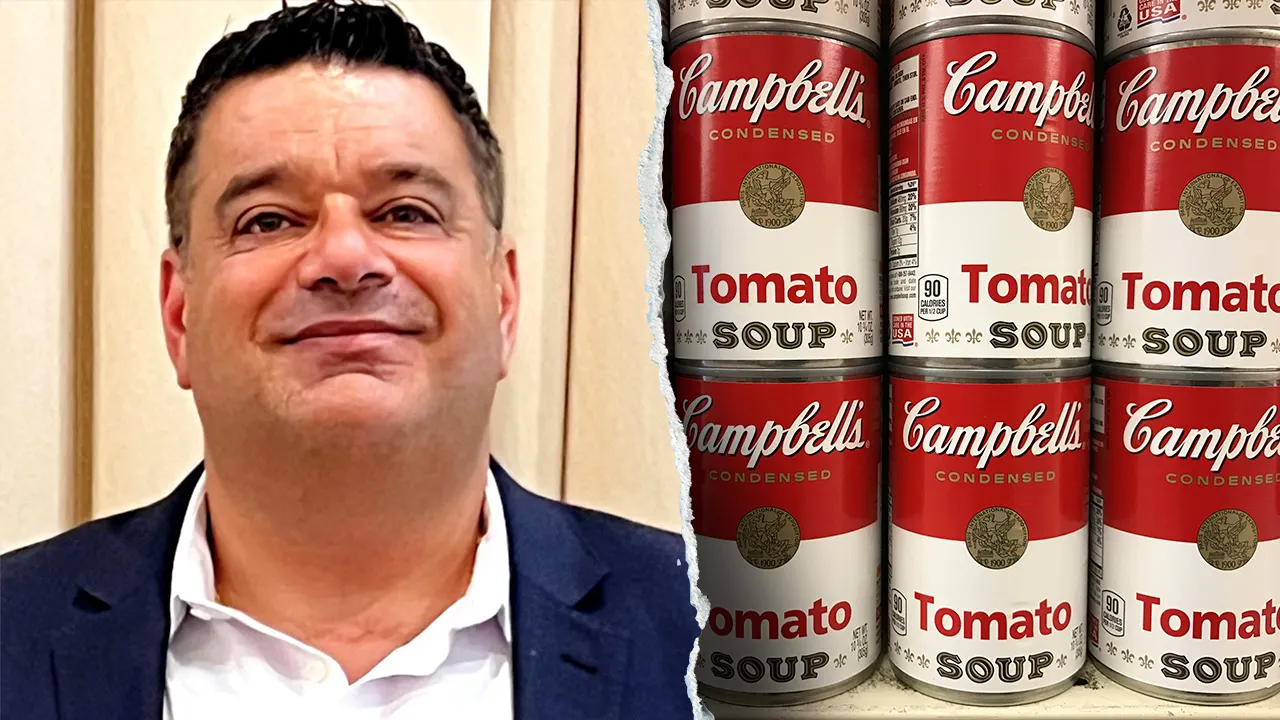
The dismissal of Campbell’s vice president for information technology, Martin Bally, has drawn significant national attention after a leaked audio recording captured him disparaging the company’s products and its customers. The incident, now central to a lawsuit filed by a former employee, has raised questions about corporate culture, internal accountability and the reputational risks companies face when senior leaders undermine both their workforce and their consumers.
With claims extending beyond product criticism to allegations of racist remarks and drug use at work, the case has prompted a forceful response from Campbell’s as it attempts to distance itself from Bally’s comments and reassure both the public and its employees of its stated values.
Leaked Audio Sparks Corporate Fallout
The controversy began when an audio recording, shared publicly through local media, appeared to capture Martin Bally harshly criticizing Campbell’s products during what was allegedly a routine discussion about a former employee’s salary. In the clip, a voice identified as Bally’s dismissed the company’s goods as being intended “for poor people” while using vulgar language to describe both the products and the individuals who purchase them.
He went on to suggest that Campbell’s food is unhealthy, invoking terms such as “bioengineered meat” and implying that the chicken used in the brand’s soups originates from processes such as “3-D printing.” For a company whose long-standing reputation is built on consumer trust, affordability and familiarity, the remarks were explosive. Campbell’s confirmed that after reviewing the recording, it concluded the voice was Bally’s and terminated his employment.
The company has described his statements as “vulgar, offensive and false,” emphasizing that such views contradict its values and are unacceptable from any employee, let alone a senior executive. The fallout from the recording has brought scrutiny to the internal environment at Campbell’s, particularly as additional allegations surfaced in the related lawsuit.
Read : Watch Video of Wildfire That Forced the Evacuation of an Entire Town of Ruidoso in New Mexico
The extent to which leadership behavior influences workplace culture has become a central theme as observers assess how comments like Bally’s could reflect deeper issues of respect, professionalism and oversight within the organization. The sudden escalation from a private conversation to a nationwide controversy underscores the increasing risks companies face in an era where internal misconduct can rapidly become public and carry significant reputational consequences.
Allegations of Racist Remarks and Retaliation Claims
The lawsuit that brought the recording to light was filed by Robert Garza, a former Campbell’s employee who alleges that during a meeting with Bally in late 2024, he witnessed a series of offensive comments beyond those captured in the audio. According to Garza, Bally not only disparaged the company’s customers but also made racist remarks about Indian employees, referring to them as “idiots.” Garza also claims Bally admitted to regularly attending work while under the influence of marijuana edibles.
Garza states that after reporting Bally’s comments to his supervisor, he was abruptly terminated on January 30, just weeks after the meeting. His attorney has described Garza’s dismissal as retaliatory, arguing that he was punished for speaking up on behalf of colleagues and customers. The lawsuit seeks monetary damages from Campbell’s, Bally and Garza’s former manager, who remains with the company.
Campbell’s has challenged aspects of Garza’s account, asserting that it had not been informed of the audio recording prior to its release to the public. This distinction may play a role in the legal dispute ahead, particularly as the company attempts to separate its actions from what Garza describes as retaliation. Campbell’s has emphasized that the behavior described does not align with the organization’s standards and has reiterated its commitment to creating a respectful workplace.
The allegations against Bally have highlighted the importance of internal reporting mechanisms and the protections employees should expect when raising concerns about inappropriate conduct. If a senior executive is perceived to be insulated from consequences or able to retaliate against those who speak up, it raises broader issues about accountability across the organization. The case also brings renewed attention to the challenges companies face in ensuring that their public values are upheld consistently at every level of leadership.
Campbell’s Public Response and Defense of Product Integrity
In addition to addressing the behavior of its former executive, Campbell’s has taken steps to counter misinformation about its products following Bally’s widely circulated comments. The company issued a detailed statement defending the quality and sourcing of its chicken, emphasizing that its soups are made using meat from long-trusted, USDA-approved suppliers and contain “No Antibiotics Ever” chicken. Campbell’s clarified that its products are not “bioengineered” in the manner described in the recording, aiming to reassure consumers who may have been unsettled by Bally’s claims.
Read : Amazon Fires Palestinian Engineer Ahmed Shahrour for Protesting Company’s Work with Israel
This aspect of the controversy adds another layer to the challenge facing Campbell’s, as misinformation about food production can significantly impact public perception. The company’s response signals an effort to maintain confidence in its brand while distancing itself from the inaccurate and disparaging views expressed by the former executive.

The situation has also prompted reflection on how companies manage internal criticism and misrepresentation of their own products. While executives are not expected to endorse every aspect of a company’s operations without question, their comments carry influence and responsibility.
The remarks attributed to Bally not only undermined customer trust but also disparaged the socioeconomic realities of the consumers who rely on affordable, widely accessible food options. For a brand like Campbell’s, which has long positioned itself as a household staple, such sentiments contradict the inclusive and broad consumer base it serves.
The broader implications for the company include the need to ensure its leadership consistently represents its values and demonstrates respect for its employees and customers. The public nature of the incident has made it essential for Campbell’s to reinforce its commitment to quality, fairness and transparency. As the lawsuit proceeds and additional details emerge, the company’s response will likely continue to shape how stakeholders view its internal culture and its approach to employee grievances.
The case surrounding Martin Bally’s dismissal reflects a convergence of issues including workplace conduct, corporate accountability and brand integrity. As Campbell’s works to contain the fallout, the central questions raised by the incident—regarding respect for consumers, treatment of employees and the responsibilities of corporate leaders—will remain central to the unfolding narrative.
Alright gamers, I had a look at pak92game. Its pretty fun and runs great. Check it out here:pak92game