

The death of a young traveler on a remote Australian island has drawn international attention after authorities confirmed the circumstances surrounding the tragedy. Piper James, a 19-year-old backpacker from Canada, died in January while visiting K’gari, a world heritage-listed island off the coast of Queensland. A forensic examination concluded that her death resulted from drowning that occurred in the context of multiple injuries sustained during a dingo attack. The findings, confirmed by the Queensland coroners court, clarified weeks of speculation about what happened during the early morning hours when she was last seen alive.
James had been traveling through Australia as part of a backpacking journey when the incident occurred. Her body was discovered on a beach on the island after she had left her accommodation at dawn, telling others she planned to go to the shore. Initial investigations revealed injuries consistent with dingo bites as well as signs of drowning, prompting questions about whether she entered the water to escape the animals. The final cause of death has now confirmed that drowning occurred in the setting of injuries associated with the attack.
The tragedy has sparked widespread debate about the relationship between humans and wildlife on the island, where a small population of dingoes has lived for thousands of years. While the official investigation into James’s death continues, the case has also intensified concerns about tourism pressures, wildlife management decisions, and the long-term survival of the island’s unique dingo population.
Circumstances of the Incident and Coroner’s Findings
The official determination of Piper James’s cause of death was made after a forensic pathologist examined the available evidence and the results were accepted by the investigating coroner. According to the statement released by the court, James died “as a result of drowning in the setting of multiple injuries, due to, or as a consequence of a dingo attack.” The wording indicates that while the dingo encounter played a significant role in the circumstances leading to her death, the immediate cause was drowning rather than the bite injuries themselves.
Earlier autopsy findings had revealed physical evidence consistent with both drowning and dingo bites. Investigators also determined that many of the bite marks were inflicted after death, though there were also pre-mortem injuries that occurred before she died. Importantly, the examination found no indication that any other person was involved in the incident. This helped investigators rule out foul play and focus entirely on the interaction between the victim and the wild animals inhabiting the island.
One possibility that emerged during the investigation was that James may have entered the ocean while trying to escape a group of dingoes. Such behavior has occurred in previous incidents where people attempted to avoid aggressive animals by running into the water. While the exact sequence of events remains uncertain, the evidence suggests that the dingo encounter created the conditions that ultimately led to the fatal drowning.
James had been staying with other backpackers on the island at the time. Her last confirmed sighting occurred around 5 a.m., when she told friends and colleagues that she was heading to the beach. When she did not return, concern grew among those who knew her, and authorities later discovered her body near a well-known coastal landmark on the island. The area where she was found is popular with tourists but also known as habitat for wild dingoes.
Read : New Study Found That Coffee Could Lower the Risk of Death from Sitting 6 or More Hours a Day
The coroners court has emphasized that the investigation is still ongoing and that additional details may be released once the full inquiry is completed. For now, the confirmed cause of death provides the most authoritative explanation of the tragic event that claimed the life of the young traveler.
Family’s Emotional Return and Cultural Context of the Island
In the weeks following the tragedy, James’s parents traveled from Canada to the island where their daughter died. Their visit was described as an emotional pilgrimage, undertaken as part of the process of bringing her remains home. For the family, the journey was both a farewell and an attempt to understand the place where their daughter spent her final moments.
Her father shared reflections about the visit on social media, explaining that he wanted to walk the same ground where his daughter had walked and feel a connection to her memory. The trip included a traditional ceremony conducted by the island’s Indigenous custodians, who hold deep cultural ties to the land and its wildlife. The ceremony took place on the beach near the location where James was found and was intended to provide spiritual recognition and respect for both the deceased and the environment.
Read : 19-Year-Old Piper James Found Dead Surrounded by Dingoes on K’gari Beach
For the Indigenous community associated with the island, dingoes hold cultural significance and are considered an important part of the ecosystem. The animals have been present on the island for thousands of years and are regarded as sacred within traditional cultural knowledge. The Indigenous name for the island itself reflects this deep historical connection to the landscape and its wildlife.
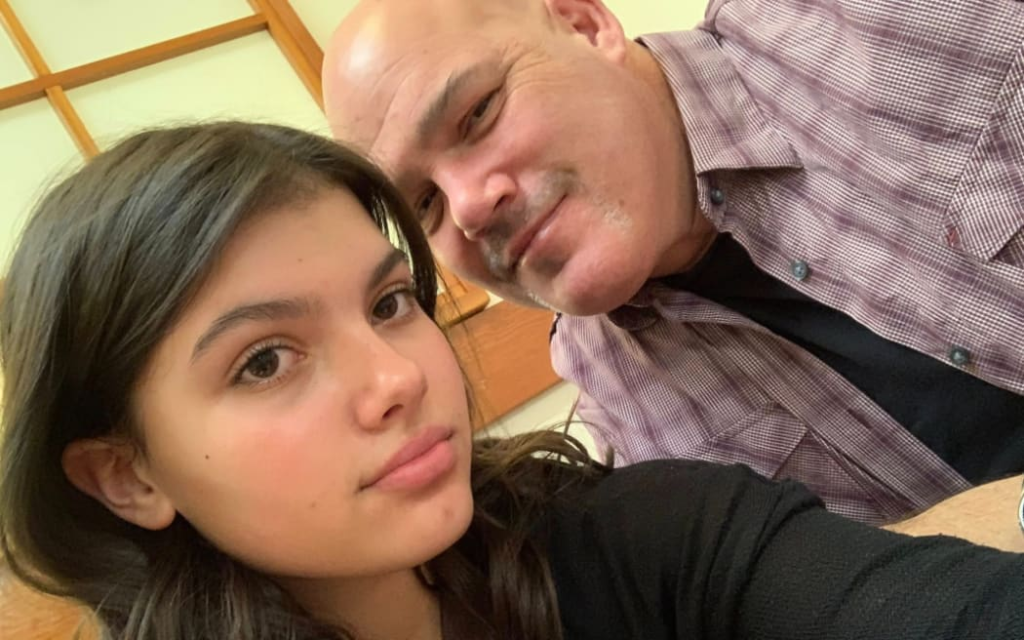
The island remains one of Australia’s most distinctive natural environments, known for its long beaches, forests, freshwater lakes, and diverse wildlife. Despite its natural beauty, the region also presents risks to visitors who may not fully understand the behavior of wild animals living there. Dingoes, although often appearing similar to domestic dogs, are wild predators with instincts shaped by their environment.
James’s mother later spoke publicly about how much her daughter loved animals. She expressed the belief that her daughter would not have wanted harm to come to the dingoes involved in the incident. According to her mother, James understood that the animals were part of the island’s natural environment and had lived there long before humans began visiting the area in large numbers. The family’s statements added a deeply personal dimension to the tragedy, emphasizing both the loss of a young life and the complexity of balancing wildlife conservation with human safety.
Growing Debate Over Tourism, Wildlife Management, and Dingo Survival
The aftermath of James’s death has led to renewed debate over how authorities manage wildlife and tourism on the island. Government officials announced shortly after the incident that the entire pack of dingoes believed to be connected to the attack would be euthanised. The decision was described by authorities as a difficult but necessary measure taken in the interest of public safety.
Read : Amazon Delivery Driver Allegedly Steals Diane Huff-Medina’s Cat After Dropping Off Package
Since the announcement, several of the dingoes associated with the pack have already been culled. The move has sparked criticism from wildlife experts and conservationists who warn that repeated removals of animals could threaten the long-term survival of the island’s dingo population. The animals living there are considered genetically distinct from those on mainland Australia, making their preservation particularly important from an ecological perspective.

Scientists studying the population have expressed concern that continued culling could accelerate what they describe as an “extinction vortex.” This term refers to a downward spiral in which a small population loses genetic diversity and becomes increasingly vulnerable to decline and eventual disappearance. Some researchers estimate that without changes in how humans interact with dingoes on the island, the population could face extinction within several decades.
Another factor contributing to the debate is the rapid growth in tourism. The island attracts large numbers of visitors every year who come for its natural beauty and outdoor experiences. Critics argue that overtourism has increased the likelihood of dangerous encounters between humans and dingoes. When animals become accustomed to human presence or access to food, their behavior can change in ways that make conflict more likely.
Previous incidents on the island illustrate this growing tension. In one case, a woman jogging along a beach was chased and bitten by a group of dingoes before running into the ocean to escape. In other situations, authorities have removed or killed animals following aggressive interactions with visitors. These recurring events have raised questions about whether stronger regulations or visitor limits are needed to reduce risks.
Environmental advocates have suggested that stricter controls on human behavior may be the most effective solution. They argue that feeding wildlife, leaving food scraps, or approaching animals too closely can encourage dingoes to associate humans with food. Over time, such interactions can lead to bolder and more aggressive behavior.
Despite these concerns, government officials have resisted proposals to limit the number of visitors to the island. The area remains an important tourism destination and a source of economic activity for the region. Balancing economic interests, public safety, and conservation priorities has proven to be one of the central challenges facing policymakers.
The death of Piper James has therefore become part of a larger conversation about how people coexist with wildlife in protected environments. While the investigation continues, the tragedy has already influenced public discussion about tourism practices, animal management strategies, and the future of one of Australia’s most unique wildlife populations.