

In a story that has captivated cruise enthusiasts and true crime followers alike, 47-year-old American Jessica Collins has vanished during a port stop on the Caribbean island of Bonaire. What began as a routine missing person report has evolved into a puzzling tale of deliberate disappearance, with Collins reportedly communicating directly to Carnival Cruise Line staff that she wished to be left alone. As of September 23, 2025, authorities continue their search, but the cruise operator maintains that this appears to be an intentional choice rather than foul play.
This incident raises questions about personal autonomy on vacation, the protocols of cruise lines for handling missing passengers, and the delicate balance between privacy and safety in exotic locales. The Carnival Horizon, a Vista-class ship known for its vibrant itineraries through the southern Caribbean, departed Miami on September 13, 2025, carrying thousands of passengers eager for sun-soaked days and island adventures. Collins, a U.S. citizen traveling solo, was among them, having boarded for what was meant to be a relaxing seven-night voyage.
The ship made several stops in the Netherlands Antilles, blending luxury with leisure—think pristine beaches, snorkeling in turquoise waters, and onboard entertainment that keeps the party going from dawn till dusk. Bonaire, a diver’s paradise with its protected marine parks and laid-back vibe, was the fourth port of call on September 17. The island, part of the Dutch Caribbean, attracts visitors with its flamingo-filled salt flats, rugged national parks, and a reputation for unparalleled underwater exploration.
For many cruisers, it’s a highlight: a chance to rent a jeep, spot iguanas, or simply unwind at a seaside cafe. Collins, however, turned this idyllic stop into the voyage’s dramatic turning point. Surveillance footage captured her disembarking around midday, dressed casually in a short-sleeved button-down shirt, shorts, and sporting a large gray backpack slung over one shoulder. This wasn’t a fleeting shore excursion; she carried what appeared to be all her essentials, leaving behind only select luggage and personal items in her stateroom.
As the all-aboard time approached and the ship’s horns signaled departure, Collins failed to return. Initial reports from fellow passengers and crew painted a picture of mild concern rather than immediate panic—after all, oversleeping a port call or getting lost in a market stall happens. But when headcounts confirmed her absence, Carnival’s security team sprang into action.
The captain notified local authorities via standard maritime protocol, and the Bonaire government issued a public alert on September 20, describing Collins as 5 feet 6 inches tall, with brown hair and blue eyes, last seen in the port area of Kralendijk. The press release, translated from Dutch, urged residents and visitors to come forward with any sightings, emphasizing that she had her identification documents with her but might need assistance.
What set this case apart from typical cruise disappearances—often involving overboard incidents or medical emergencies—was the personal touches Collins left behind. Before slipping away, she penned a thank-you note to her stateroom attendant, accompanied by a cash gratuity. These small gestures spoke of gratitude and finality, as if she were closing a chapter rather than pausing her journey.
Read : Guns with Which Napoleon Planned to Kill Himself Sell for Over $1.83 Million in France
As the Horizon sailed on without her, docking back in Miami over the weekend, the story began to ripple through social media and news outlets. Forums buzzed with speculation: Was this a spontaneous quest for solitude? A deeper personal crisis? Or something more sinister? The cruise industry’s history of high-profile vanishings, from Rebecca Coriam’s 2011 disappearance on a Disney ship to the more recent cases of passengers jumping overboard, added fuel to the online fire. Yet, in Collins’ case, the narrative quickly shifted from tragedy to enigma.
The Chilling Message: ‘I Am Safe, But Do Not Contact Me’
The plot thickened dramatically on September 22, when Carnival Cruise Line released a statement that peeled back the curtain on Jessica Collins’ intentions. According to the company, after her disembarkation, a member of their Care Team—dedicated to assisting guests with concerns—attempted to reach her via text. The response was unequivocal: Collins affirmed she was safe but explicitly stated she “did not want to be found or contacted again.” This direct communication, timestamped shortly after the ship’s departure, transformed the investigation from a frantic hunt into a respectful standoff.
Carnival’s spokesperson elaborated in the email to media outlets, noting, “She debarked with all her belongings in her backpack and left a cash gratuity for the stateroom attendant with a thank you note.” The implication was clear: this was no accident or abduction. “While we are cooperating with local authorities, this guest appears to have taken deliberate action to be alone and on her own.” It’s a rare admission from a cruise line, one that prioritizes passenger welfare above all, yet here they were, advocating for boundaries in the face of protocol.
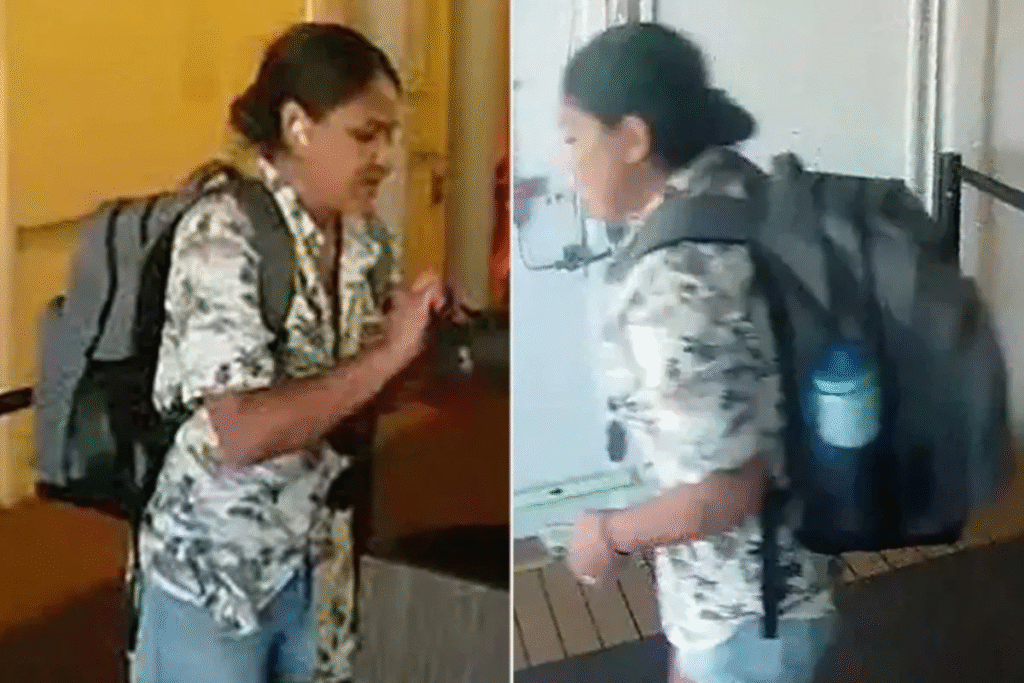
For those unfamiliar with cruise operations, the Care Team serves as a lifeline—handling everything from lost passports to emotional support during voyages. Texts like Collins’ are not unheard of in broader missing persons contexts, but on a ship, where every soul is accounted for like cargo, it’s unprecedented. Psychologists might interpret this as a cry for space amid life’s pressures; travel, after all, often serves as an escape hatch. Collins, at 47, could be navigating midlife shifts—career burnout, relational strains, or simply the itch for reinvention. Her choice of Bonaire, a remote gem far from U.S. headlines, underscores a desire for invisibility in paradise.
This message has sparked ethical debates within the travel community. On one hand, respecting autonomy is paramount; forcing contact could escalate a voluntary absence into a hostile confrontation. On the other, as a U.S. citizen abroad, Collins’ well-being falls under consular watch. The State Department, though not yet issuing formal alerts, has been looped in, per Bonaire’s coordination with U.S. authorities. It’s a reminder that vacations aren’t vacuums—personal demons can follow you to sea.
Official Response and the Ongoing Search for Answers
Bonaire’s authorities have approached the case with measured urgency, balancing the tourist-driven economy with public safety. The Caribbean Netherlands Police Force launched a multi-agency effort immediately upon notification, partnering with the Public Entity of Bonaire, Port Authority, Tourism Corporation, and Carnival’s security chief. Ground teams combed Kralendijk’s bustling waterfront, while drones and volunteers scanned inland trails toward Washington Slagbaai National Park. An anonymous tip line (9310) and direct police contact (715-8000) were publicized, encouraging even the slightest lead.
As of today, September 23, no confirmed sightings have emerged. The island’s small population—around 20,000—and tight-knit expat community mean strangers stand out, yet Collins’ backpack and casual attire blend seamlessly with backpackers. Officials stress she’s not considered endangered, given her text, but the search persists “to ensure her safety as quickly as possible.” This nuanced stance reflects Dutch Caribbean law, which treats voluntary disappearances differently from suspected crimes—no Amber Alert equivalent, but proactive welfare checks.
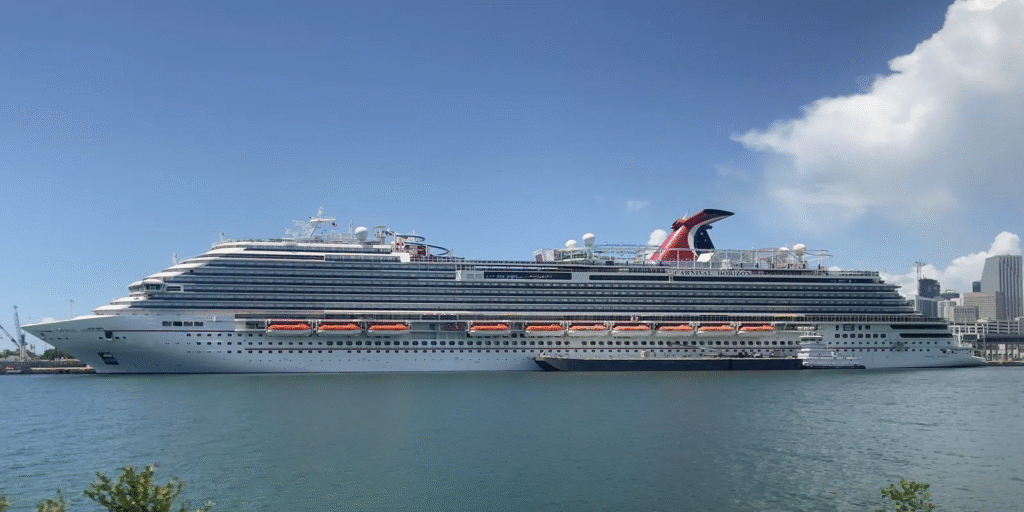
Carnival, for its part, has adhered to the Cruise Vessel Security and Safety Act, reporting the incident within hours and preserving footage. The Horizon resumed its schedule seamlessly, a testament to the industry’s resilience, but internally, briefings likely emphasized guest check-ins at ports. Broader implications loom: Could this prompt tighter excursion tracking, like mandatory reboarding scans? Or mandatory wellness texts for solo travelers? Cruise lines already grapple with 20-30 missing reports annually, mostly resolved as mix-ups, but cases like this highlight vulnerabilities in the “fun ship” facade.
Social media has amplified the story, with #FindJessicaCollins trending briefly. A wrinkle emerged when online sleuths linked her to a Jessica Leigh Collins claiming Epstein victim status—fueled by a friend’s post—but Carnival clarified no verified connection, dismissing it as coincidence. This misinformation underscores the perils of viral speculation, turning a private choice into public spectacle.
Reflections: Privacy, Paradise, and the Pursuit of Peace
Jessica Collins’ saga blurs the line between missing and merely misplaced in spirit. In an era of constant connectivity—where Instagram flaunts every sunset—her plea for solitude resonates deeply. Cruises promise escape, yet the structured itinerary can feel confining. Bonaire, with its “keep Bonaire special” ethos of low-impact tourism, ironically became her off-ramp. Perhaps she’s hiking Klein Bonaire’s trails, anonymous among birdwatchers, or holing up in a Rincon guesthouse, rewriting her story sans smartphone pings.
This isn’t to romanticize absence; families back home, if any, must be anguished, even if the text offers solace. Yet it challenges us: When does intervention become intrusion? For Collins, the backpack symbolized liberation—essentials only, burdens shed. As searches continue, her case invites empathy over judgment. Travel’s true gift is transformation; maybe, in vanishing, she’s found herself.
In the end, whether Collins resurfaces tanned and transformed or remains a whisper on the wind, her story etches into cruise lore. It reminds us that beneath the deck parties and duty-free shops, voyages harbor the uncharted depths of the human soul. Until authorities confirm her whereabouts, the world watches—and waits, respecting the silence she sought.
Thanks for the sensible critique. Me & my neighbor were just preparing to do some research about this. We got a grab a book from our local library but I think I learned more from this post. I’m very glad to see such magnificent information being shared freely out there.
I besides believe thence, perfectly pent post! .
It is in point of fact a great and helpful piece of info. I am satisfied that you shared this useful info with us. Please keep us informed like this. Thanks for sharing.
Nice post. I be taught one thing more challenging on different blogs everyday. It’ll always be stimulating to learn content material from different writers and follow just a little one thing from their store. I’d choose to use some with the content material on my weblog whether you don’t mind. Natually I’ll give you a link in your web blog. Thanks for sharing.