
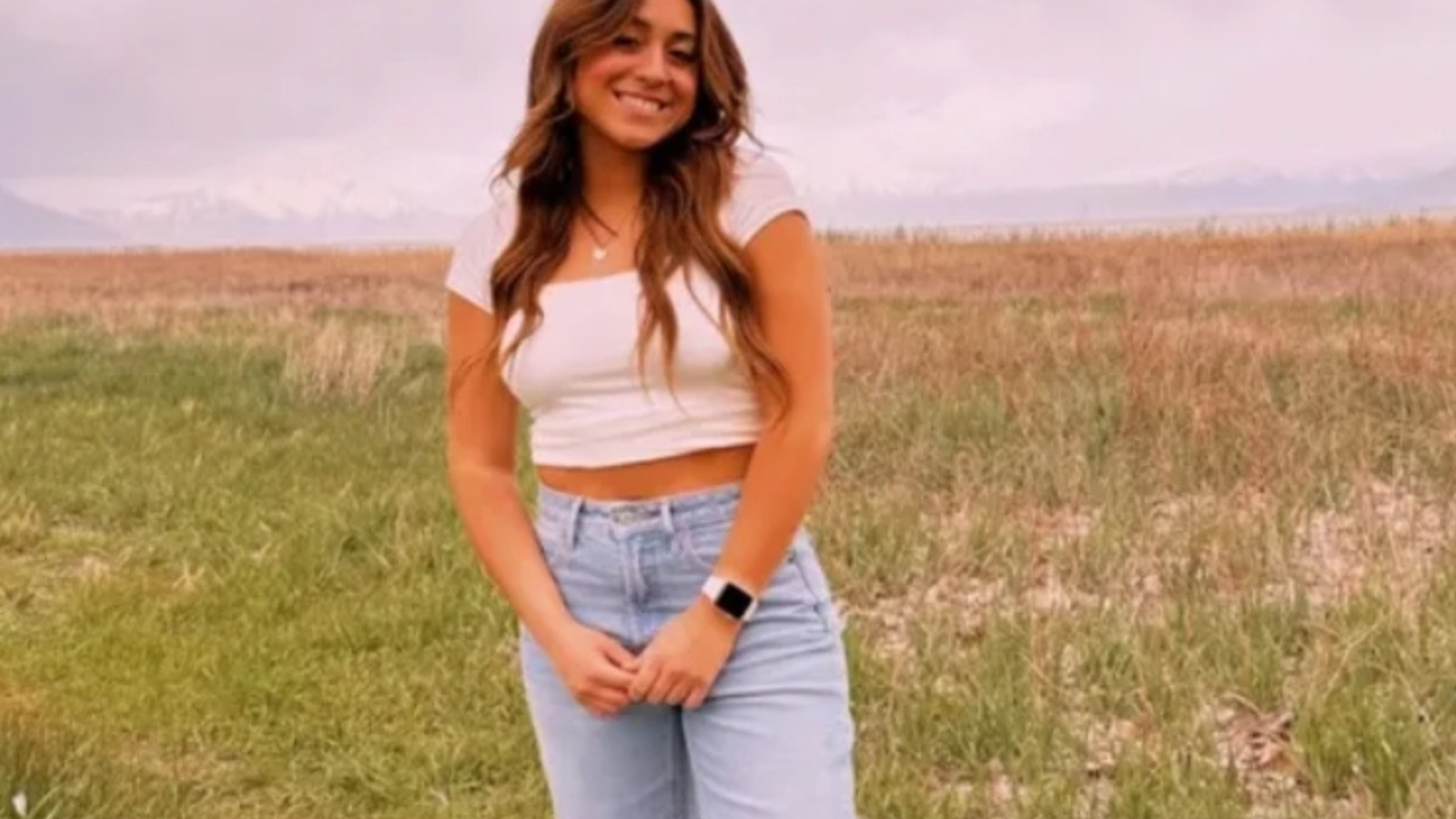
The recent arrest of 19-year-old Caroline Dias Goncalves, a Brazilian-born student at the University of Utah, has sparked national concern about digital privacy, immigration enforcement, and the rights of undocumented youth in the United States. Her detention has become a chilling example of how information-sharing among law enforcement — even when not explicitly focused on immigration — can have far-reaching consequences, particularly for vulnerable communities. What began as a routine traffic stop quickly escalated into a full-scale immigration arrest, leaving her future in the country she’s called home for over a decade in jeopardy.
A Routine Traffic Stop with Life-Altering Consequences
Caroline Dias Goncalves has lived in the United States since 2012, when she moved with her family from Brazil as a child. Like millions of other undocumented immigrants brought to the U.S. at a young age — often referred to as “Dreamers” — Caroline has built her life here. She is a hardworking college student attending the University of Utah on a merit scholarship, and had plans to begin nursing school in the spring. However, her life was upended on June 5, 2025, after a seemingly benign traffic stop.
Caroline was pulled over in Grand Junction, Colorado, by a deputy from the Mesa County Sheriff’s Office for allegedly following a semi-truck too closely. The encounter, captured on bodycam footage, shows the officer, Investigator Alexander Zwinck, conversing casually with Caroline. They discussed her college studies and future plans. At the end of the 20-minute interaction, she was let go with a warning.
What she didn’t know was that shortly after the stop, Zwinck shared information about her in a Signal group chat that included local, state, and federal law enforcement officers. The group was reportedly intended for drug interdiction coordination, yet among its members were agents from U.S. Immigration and Customs Enforcement (ICE). Despite no drugs being found or criminal behavior identified, ICE agents arrested Caroline just minutes later and transported her to an immigration detention center in Colorado.
Read : 18-Year-Old Arrested in Connection with Petrol Bombs Thrown at Police in Northern Ireland
The sheriff’s office has since admitted that the information shared in the group chat indirectly led to Caroline’s arrest. The department also stated that they were unaware the group chat was being used for anything beyond drug enforcement. In response, all Mesa County Sheriff’s Office members have been removed from the chat.
This is outrageous! Trump is evil!
— Ed Krassenstein (@EdKrassen) June 18, 2025
Meet 19-Year-Old college student Caroline Dias Goncalves. She is a DREAMER who has lived in America since she was just 6-years-old. She attends college in Utah. Her parents brought her here from Brazil over 12 years ago.
2 Weeks ago she was… pic.twitter.com/AUHiFjt5s2
This sequence of events raises serious concerns about how information is shared among law enforcement agencies and the transparency of such practices. It also reveals how vulnerable undocumented immigrants — even those fully integrated into American life — remain to abrupt and devastating action from federal authorities.
The Complex Legal and Human Realities for Dreamers
Caroline’s case is not isolated. She is one of an estimated 2.5 million undocumented immigrants in the United States who were brought to the country as children. Many of these young people have lived most of their lives in the U.S., attended American schools, and consider it their only home. Yet they continue to live in a legal gray zone, where their futures depend heavily on policy shifts and enforcement discretion.
Caroline and her family had been trying to do everything by the book. Three years ago, they applied for asylum, citing violent conditions in Brazil as the reason they feared returning. This application granted them temporary work permits, Social Security numbers, and limited driver’s licenses under existing federal and state provisions. Caroline was using this documentation to pursue her education and work legally while her asylum claim was being processed.
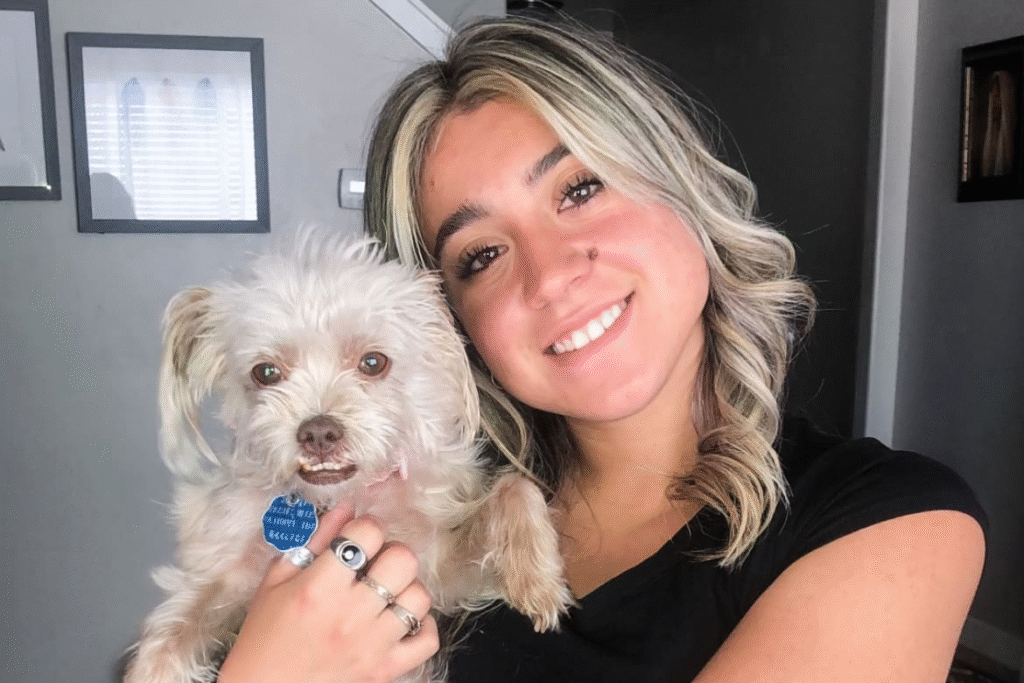
Nonetheless, because her immigration status is not yet fully regularized, she remains at risk. Her case mirrors that of other Dreamers like Ximena Arias-Cristobal, who was also recently detained after a traffic stop. Ximena, like Caroline, was attending college on a scholarship provided by TheDream.Us — a national initiative supporting higher education for undocumented students. These cases point to a troubling trend of immigration enforcement expanding beyond the promise of targeting dangerous criminals to ensnaring young people whose only crime is living in the country without documentation.
In Colorado, the law restricts — but does not prohibit — local law enforcement from collaborating with ICE. The intention of these limitations is to reduce the chilling effect such cooperation has on immigrant communities, who may be deterred from reporting crimes or cooperating with police. In Caroline’s case, the sheriff’s office acknowledged that ICE’s use of information from the group chat violated the spirit, if not the letter, of state law. This acknowledgment, however, does little to undo the damage already inflicted.
Now in ICE custody at the Denver Contract Detention Facility, Caroline’s conditions are reportedly dire. Her relatives say she is being held in a crowded cell with 17 other women, the food is inedible, and the staff treat detainees harshly. For a young woman who has spent her formative years striving for a better future in America, her current reality is nothing short of a nightmare.
Broader Implications and the Need for Policy Reform
Caroline’s arrest and detention highlight critical issues surrounding immigration policy, digital privacy, and the use of communication tools like Signal among law enforcement agencies. While Signal is often praised for its encryption and security, the contents of private law enforcement group chats can still be misused. In Caroline’s case, a single message sent by a deputy not even engaged in immigration enforcement led to her incarceration.
It also reveals the porous boundary between various branches of law enforcement and the federal immigration apparatus. Even when local officers intend to focus solely on drug enforcement or public safety, their communications can have unintended and damaging effects when shared across agencies. The situation calls for greater oversight of multi-agency communication channels, especially when they can be accessed by ICE or other federal bodies with broader enforcement mandates.
There is also the question of accountability. The sheriff’s office claims it was unaware of ICE’s presence in the chat or their actions following the traffic stop. But ignorance does not absolve responsibility. Policies and procedures must be in place to ensure that local officers understand the potential consequences of sharing certain types of information, especially when dealing with individuals whose immigration status may be precarious.

Meanwhile, Caroline’s supporters have launched a GoFundMe campaign to cover her legal fees and raise awareness. The campaign emphasizes her clean record, dedication to education, and the fact that she has always followed the law within the bounds allowed by her immigration status. “She now finds herself unlawfully detained, frightened and far from the safety and support she deserves,” the page reads.
Her case has reignited calls from immigration advocates for stronger protections for Dreamers and a renewed push for legislation that would offer them a path to permanent residency and citizenship. Though programs like DACA (Deferred Action for Childhood Arrivals) have offered temporary relief, they remain vulnerable to political changes and legal challenges. Moreover, Caroline’s case illustrates that even Dreamers who are not covered by DACA — whether due to timing or technicalities — remain equally at risk.
As the nation continues to grapple with its immigration policy, stories like Caroline’s serve as a powerful reminder of the human stakes involved. These are not abstract legal or political debates. They are decisions that impact real people — students, workers, aspiring professionals — who have built their lives here and deserve the opportunity to contribute to society without fear of sudden, life-altering detention.
Caroline Dias Goncalves should be preparing for her next semester of college. Instead, she sits in a detention facility, caught in the gears of an immigration system that remains chaotic, punitive, and often unjust. Her story deserves attention, not just for the sake of justice in her individual case, but for the millions of Dreamers whose lives hang in the balance.