
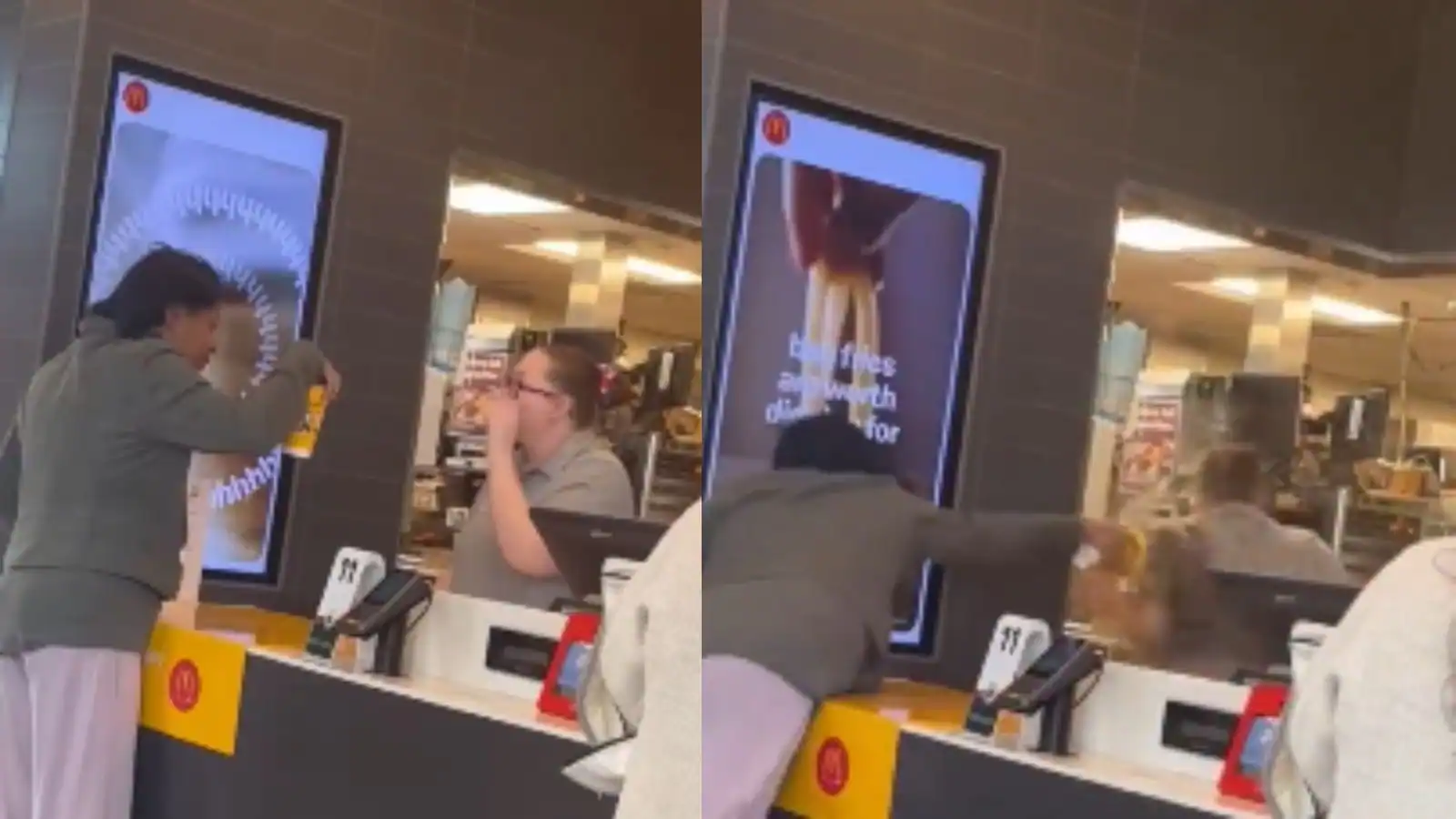
The recent incident at a McDonald’s restaurant on Dixie Highway in Buena Vista, Michigan, has captured national attention after video footage surfaced showing a distressed customer throwing a scalding cup of hot coffee at a store manager. The confrontation, which began over a dispute regarding the wait time for an online order and the processing of a refund, has sparked discussion about customer behavior, employee safety, and the increasing number of volatile interactions in service industry settings.
The suspect, identified as 48-year-old Casharra Brown, has since had a warrant issued for her arrest on a charge of felonious assault. As the video continues to circulate, many are questioning what led to the escalation and what it reflects about broader patterns of aggression in public consumer environments. This incident provides insight into both the pressures service workers face and the heightened tensions that can arise when expectations and communication break down.
The Confrontation and Video Evidence
The footage shared by the Buena Vista Police Department begins with Casharra Brown already engaged in a heated exchange with a McDonald’s manager behind the counter. According to police and local reporting, Brown had placed an online order and believed that she had been waiting more than an hour for her food. While the exact timeline is unclear, the manager can be heard explaining that Brown had only been charged for her cup of coffee and that the refund for the remaining items would take up to 48 hours to process.
This explanation did little to calm the situation, and Brown responded by accusing the manager of lying. As the interaction continued, tension escalated rapidly. The manager, attempting to de-escalate, turned away to continue her work. It was at this moment that Casharra Brown shouted, “Catch that hot-a** coffee,” before throwing the hot beverage directly at the manager’s back.
The manager reacted in immediate pain, and the exchange ended abruptly as employees and onlookers tried to assist her. According to Buena Vista Detective Russ Pahssen, the manager suffered minor burns as a result of the attack. Once police posted the video publicly, it took only minutes for members of the community to identify Casharra Brown, demonstrating both the power and possible complications of crowd-sourced identification.
🚨 A US woman went viral after throwing hot coffee at a McDonald’s worker ☕😡 She claimed her order was delayed over an hour. Police have ID’d her as 48-year-old Casharra Brown, now wanted for assault. 😳 #McDonaldsDrama #ViralVideo #CustomerRage #USNews pic.twitter.com/EIpj0modio
— jeetwinapk (@jeetwin_apk) November 9, 2025
Detective Pahssen stated that he received approximately 100 tips within two minutes of the post going live. Authorities have confirmed that they have submitted paperwork requesting Casharra Brown own be charged with felonious assault, a serious offense under Michigan law due to the use of a potentially harmful substance as a weapon. As of the latest updates, Brown had not yet been located.
Community Response and Online Reaction
Public reaction to the incident has been strong and largely supportive of the manager who was attacked. Many viewers expressed shock at the escalation of the confrontation and concern for service workers who increasingly face verbal and physical aggression from frustrated customers. Online comments reflect a broader cultural conversation about how service industry employees are treated, particularly as staffing shortages, inflation-driven frustrations, and extended wait times have become more common across the country.
Social media users were quick to criticize the customer’s behavior, with many pointing out that online orders inherently process personal information, making anonymity virtually impossible in such situations. Others emphasized that no restaurant employee should be subjected to physical harm over wait times or refund policies. Many highlighted the emotional and physical burden placed on low-wage workers, noting that McDonald’s managers and crew members often earn less than what would typically be considered adequate compensation for handling such high-stress interactions.
Local community members also commented on the significance of the restaurant itself. For many, fast food establishments are not only convenient places to eat but also workplaces employing their friends, family members, and neighbors. The idea of violence occurring in such a familiar and routine environment intensified concern about the direction of public behavior and the expectations placed upon workers.
While voices online overwhelmingly criticized the aggressor, some discussions also touched on underlying frustrations among customers navigating inconsistent wait times and communication issues associated with online ordering systems. These frustrations do not excuse violent behavior, but they describe a context in which tempers may escalate faster, particularly when individuals feel provoked or unheard. The challenge for businesses remains finding ways to manage these interactions while protecting staff.
Broader Implications: Service Work, Stress, and Accountability
This incident underscores the ongoing pressures facing service workers, particularly in fast food environments. Employees in these settings are often young, underpaid, and expected to manage customer expectations efficiently while maintaining calm under stress. As the economy shifts and service roles become increasingly undervalued, the emotional strain placed on frontline workers has grown more visible.
Reports of harassment, verbal abuse, and even physical assault have become more common, prompting discussions within labor organizations and corporate management systems about the need for better support and safety protocols. The legal consequences of this incident may also set an important precedent. Felonious assault charges suggest recognition by law enforcement that throwing hot liquid is a serious act capable of causing real and lasting injury.
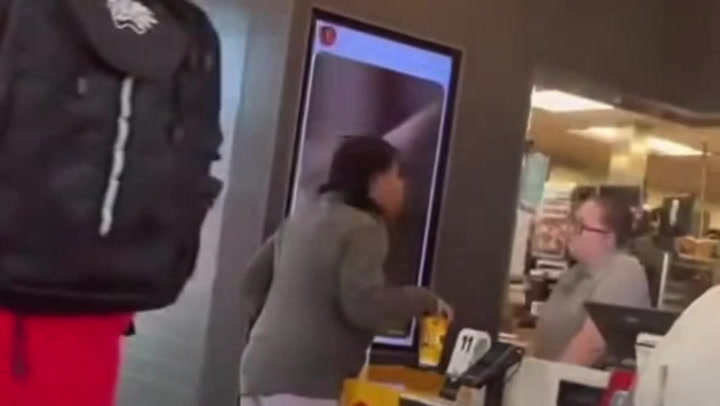
Previous cases in the United States have demonstrated that hot beverages can result in severe burns, requiring medical treatment and sometimes long recovery periods. The acknowledgment of hot liquid as a potential weapon emphasizes the seriousness of the action and reinforces the idea that customer frustration does not justify endangering another person’s safety.
Beyond legal ramifications, there is a cultural dimension to incidents like this. Many service workers have expressed feeling increasingly dehumanized in their roles, treated as obstacles rather than individuals performing a job. The breakdown of mutual respect in public spaces fuels an environment where minor conflicts can escalate rapidly. In this case, what appears to have begun as a misunderstanding regarding a refund timeline ended with a physical assault.
Addressing these issues involves recognizing and responding to several interconnected factors. Businesses may need to provide clearer communication regarding online order processing times and refund expectations to prevent frustration. Training programs that equip employees with de-escalation strategies may help reduce the likelihood of confrontations becoming physical. At the same time, customers must be reminded of their responsibility to behave respectfully and lawfully, even in moments of stress.
Accountability, both legal and social, plays a crucial role in establishing boundaries around acceptable behavior in public settings. The case of Casharra Brown and the McDonald’s manager serves as a visible example of how tensions can escalate and what happens when frustration turns into aggression. As law enforcement continues its search for Brown and the prosecutor evaluates charges, this incident is likely to remain a point of discussion among those concerned with workplace safety, public conduct, and the dynamics of customer-service interactions.