
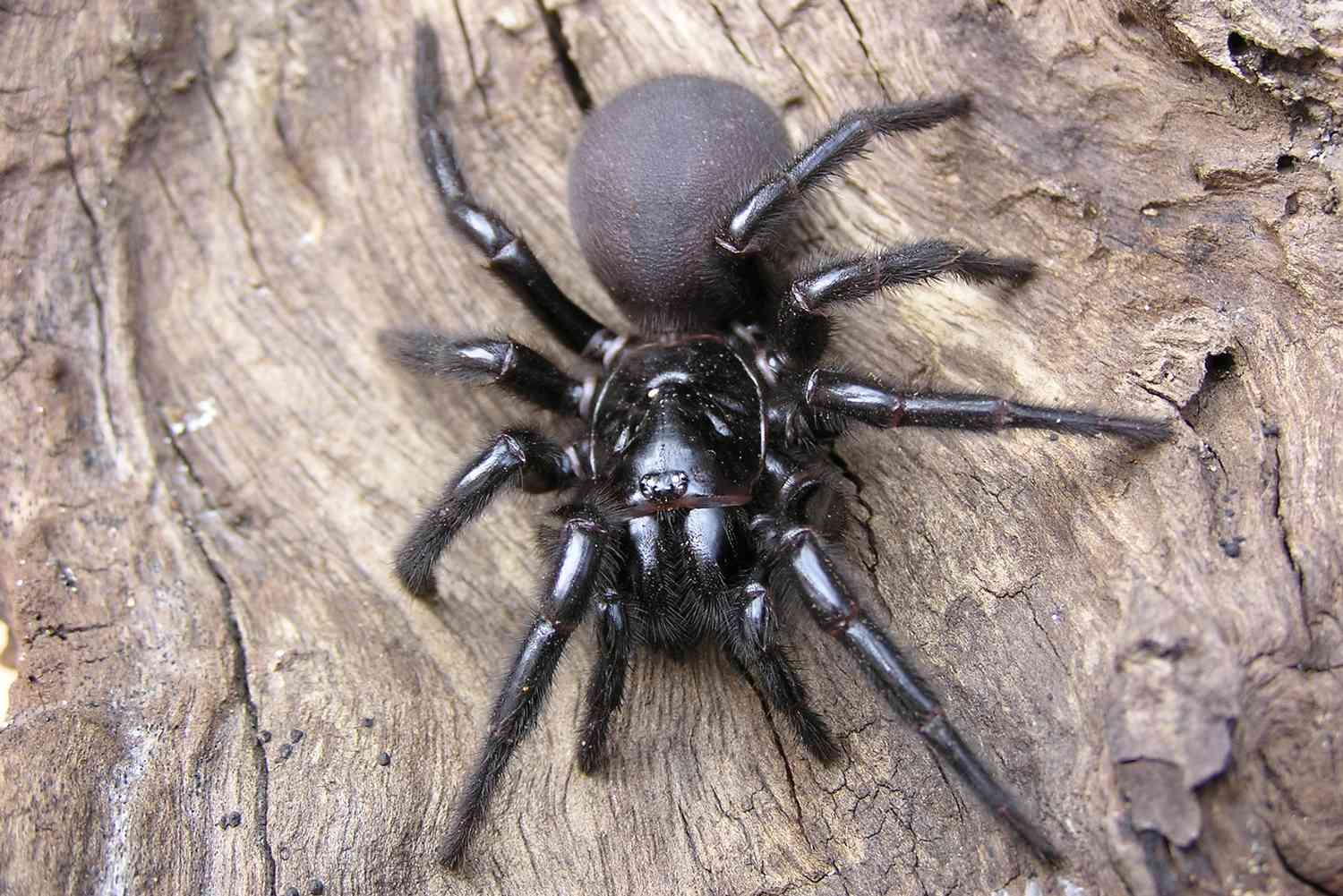
The Australian Reptile Park in Sydney has made an urgent appeal to the public to Catch and Donate Deadly Funnel-Web Spiders – one of the world’s most venomous creatures. The park’s request comes amid a slow start to the funnel-web season, which has seen fewer male spiders being handed in.
This shortage poses a challenge to the park’s lifesaving antivenom programme, which relies on the venom of these spiders to produce antivenom for potential bite victims. Despite their fearsome reputation, these spiders play a crucial role in medical science, and public participation in their collection is vital to ensuring a steady supply of venom for antivenom production.
The Importance of Funnel-Web Spiders in Antivenom Production
Funnel-web spiders, particularly the Sydney funnel-web species, are among the deadliest arachnids on the planet. Their venom contains a potent neurotoxin that can cause severe symptoms in humans, including breathing difficulties, muscle spasms, and, in extreme cases, death.
However, since the establishment of the Australian Reptile Park’s antivenom programme in 1981, there have been no reported fatalities from funnel-web spider bites. This is a testament to the effectiveness of the antivenom, which is produced using venom extracted from these spiders.
The park currently houses over 2,000 funnel-web spiders, but only male spiders are used for venom extraction. Male funnel-webs possess a unique toxin that is significantly more dangerous to humans than that of their female counterparts.
Their venom is milked from the spiders in a delicate process and then sent to Seqiris, a pharmaceutical company in Melbourne, where it undergoes a complex process to create antivenom.
Read : Iberia Flight Delayed for Hours After Pilot Bitten by Stowaway Tarantula
To produce the antivenom, the venom is first frozen and then gradually introduced into rabbits in controlled doses. Over six months, the rabbits develop immunity to the toxin, eventually tolerating doses far beyond the lethal threshold.
Read : Fire at Thailand Market Kills Over 1,000 Caged Animals
Their blood is then extracted and processed to isolate antibodies, which are later used in antivenom production. Given that it takes 50 to 200 venom milkings to produce just one vial of antivenom, the need for a consistent supply of spiders is critical.
How to Safely Capture and Donate Funnel-Web Spiders
The Australian Reptile Park is calling on the public to assist in capturing and donating male funnel-web spiders to ensure the continuity of the antivenom programme. Although funnel-web spiders are highly venomous, they can be safely captured by following the park’s recommended guidelines.
Emma Teni, a spider keeper at the park, provided step-by-step instructions for capturing funnel-web spiders. She advised using a smooth glass jar and a long-handled spoon to gently coax the spider into the jar.
Once inside, a small amount of moisture, such as damp soil or a wet cotton bud, should be placed in the jar to keep the spider hydrated. The jar must be securely sealed before transportation to the park or one of its designated drop-off locations.
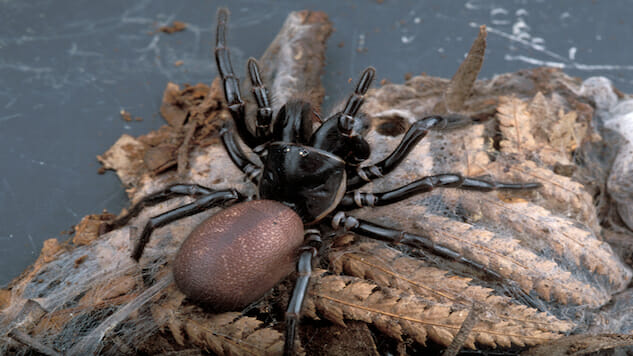
The park encourages people to be vigilant, especially during autumn when funnel-web activity increases due to high humidity and rainfall. Funnel-webs are commonly found in gardens, under rocks, and within moist and shaded areas.
They are also known to enter homes, hiding in shoes, clothing, or bedding. Residents in Sydney and surrounding regions, including Newcastle and the Illawarra, are particularly urged to participate, as these areas are hotspots for funnel-web spider activity.
Apart from live spiders, the park also accepts funnel-web spider egg sacs, which can contain dozens of spiderlings. By collecting and donating these sacs, people can further contribute to the ongoing antivenom efforts.
The Lifesaving Impact of the Antivenom Programme
Since its inception, the Australian Reptile Park’s funnel-web antivenom programme has played a crucial role in saving lives across Australia.
Prior to the development of the antivenom, deaths from funnel-web bites were not uncommon, with the venom causing rapid and severe symptoms. Today, thanks to advancements in medical science and the ongoing efforts of the park, the chances of survival after a funnel-web bite have increased significantly.
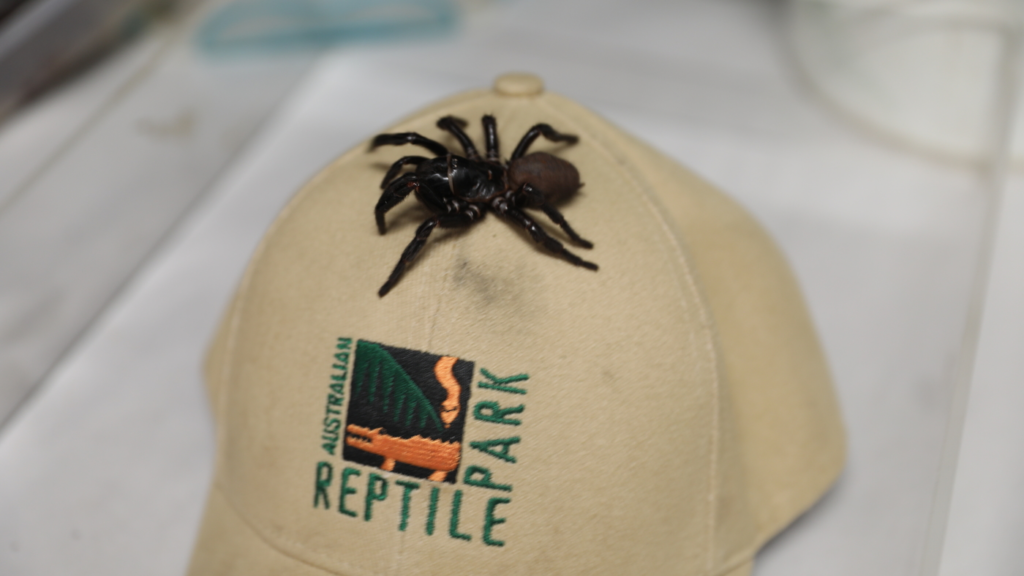
Despite its success, the programme depends on public participation. With funnel-web spiders having a natural lifespan of only about one year once they reach maturity, there is a constant need for fresh specimens. Without a steady influx of male funnel-webs, the production of antivenom could face significant challenges.
The park’s appeal is a reminder of how public engagement can make a difference in scientific and medical initiatives. By capturing and donating funnel-web spiders, Australians are directly contributing to a programme that has saved countless lives.
While the idea of handling one of the world’s deadliest spiders may be intimidating, the park reassures the public that, with the right precautions, the process can be done safely.
As autumn approaches and funnel-web activity is expected to rise, the Australian Reptile Park remains hopeful that more people will step forward to assist.
The collaboration between scientists, medical professionals, and ordinary citizens in this programme exemplifies how human ingenuity and collective effort can turn a deadly creature into a source of life-saving medicine.