
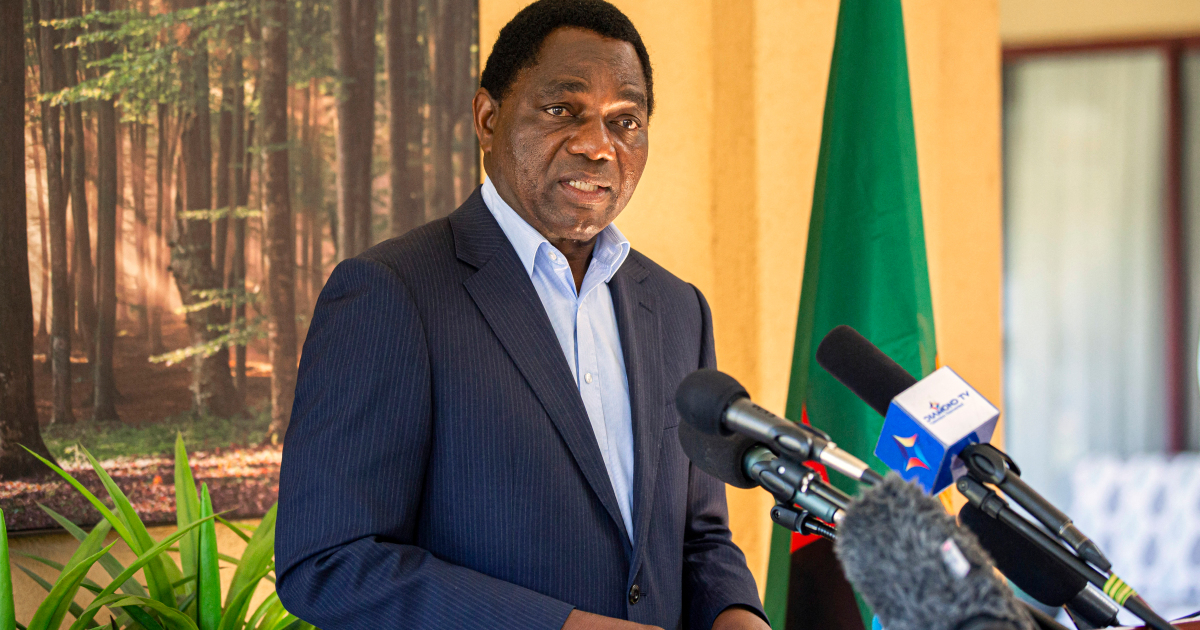
A bizarre plot involving witchcraft and political intrigue has emerged in Zambia, as suspects are accused of attempting to use charms to harm President Hakainde Hichilema.
Zambia’s capital, Lusaka, witnessed the arrest of two men, Jasten Mabulesse Candunde and Leonard Phiri, accused of attempting to “bewitch” President Hakainde Hichilema. The suspects, alleged to be witchdoctors, were reportedly hired to carry out a sinister mission using charms and rituals.
The Unfolding Drama: Arrests in Lusaka
According to a police statement released on Friday, the men were found with an array of “assorted charms,” including a live chameleon—a creature believed to hold mystical powers in certain cultural contexts.
The arrests have sparked widespread interest, with details of the case shedding light on the intersection of politics, traditional beliefs, and the legal system in Zambia.
The suspects reportedly claimed they were promised over 2 million Zambian kwacha ($73,000) for their task. This revelation adds a financial angle to the unfolding saga, further complicating an already unusual case.
Read : Zambia: Where the Enigmatic Emerald Heart Beats with Resilient Power
The police have charged the two under Zambia’s Witchcraft Act with “possession of charms,” “professing knowledge of witchcraft,” and “cruelty to wild animals.”
The Political Connection: A Tangled Web
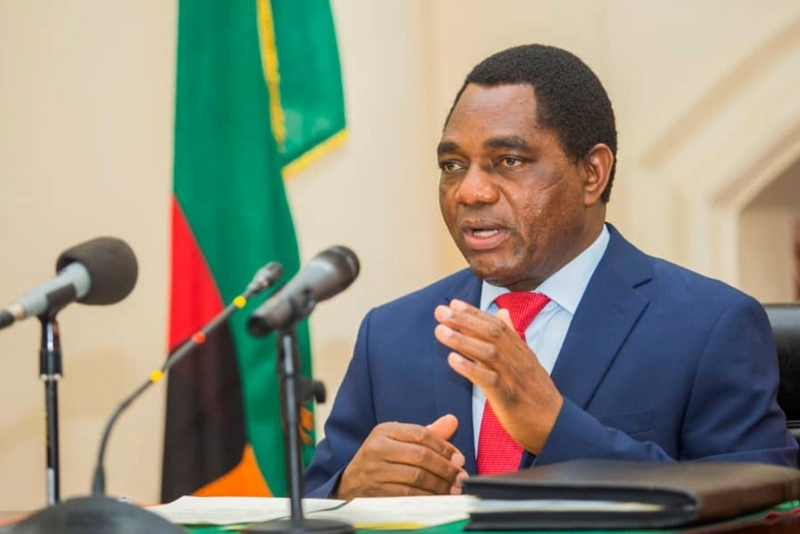
The witchcraft plot appears to have links to the political sphere, raising questions about potential motivations behind the alleged attempt to harm President Hichilema.
Read : Top Ten Cheapest Cities to Live in 2024: Four Out of Ten is From India
Police have identified Nelson Banda, the younger brother of independent MP Emmanuel “Jay Jay” Banda, as the individual who hired the suspects.
Emmanuel Banda, a former ally of opposition leader and ex-President Edgar Lungu, has been embroiled in legal troubles of his own. Accused of robbery in Zimbabwe and reportedly escaping custody in August, Banda has not been seen in public recently. His younger brother, Nelson, is now on the run, according to police.
The Patriotic Front (PF), Zambia’s opposition party led by Edgar Lungu, has claimed that the charges against Emmanuel Banda are politically motivated. The case has thus become a focal point for political tensions in country, with the ruling party and opposition trading allegations.
The connections between the accused witchdoctors, Nelson Banda, and Emmanuel Banda suggest that this case is more than a simple tale of superstition—it is deeply entwined with Zambia’s political landscape.
Witchcraft in Zambia: A Cultural and Legal Perspective
The belief in witchcraft remains a significant aspect of life in Zambia, influencing both cultural practices and societal fears. Many Zambians believe in the power of charms and rituals, and accusations of witchcraft are not uncommon. This case underscores the persistence of these beliefs, even in urban centers like Lusaka.
However, Zambia also has legal mechanisms to address such practices. The Witchcraft Act, under which the accused have been charged, criminalizes the possession of charms and the professing of knowledge of witchcraft.
While the Act aims to curb the misuse of traditional practices, it also highlights the challenges of balancing cultural heritage with modern governance.

The inclusion of a live chameleon as part of the alleged witchcraft plot is particularly intriguing. In various African traditions, chameleons are considered mystical creatures capable of spiritual influence. Their use in this case serves as a vivid reminder of the enduring power of symbolism in cultural beliefs.
The case also raises ethical questions about the treatment of animals in rituals. The charge of “cruelty to wild animals” reflects growing awareness of animal rights, even in contexts where traditional practices are deeply rooted.
The arrest of two suspected witchdoctors for allegedly plotting to harm Zambia’s president has captivated national and international attention. This unusual case blends elements of politics, tradition, and the law, highlighting the complexities of governance in a culturally diverse society.
While the legal proceedings will determine the guilt or innocence of the accused, the broader implications of this case cannot be ignored. It serves as a stark reminder of the interplay between traditional beliefs and modern political dynamics in Zambia.