
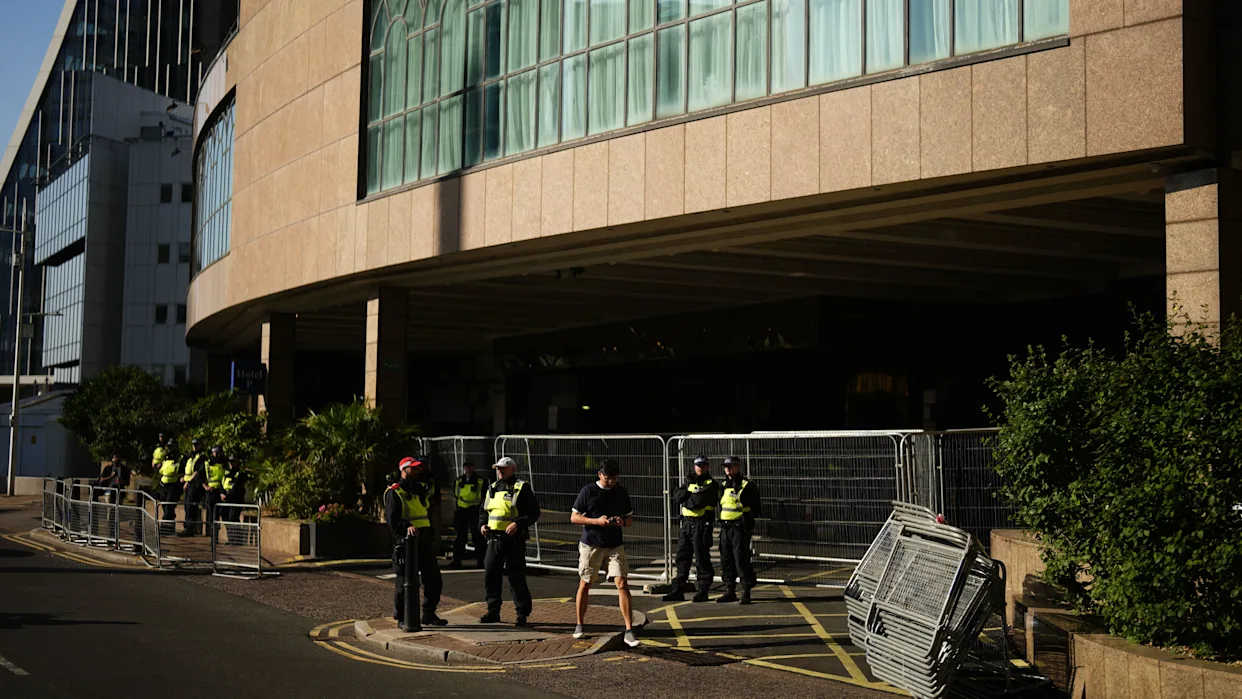
The arrest of 22-year-old Channay Augustus has stirred considerable attention in London, reflecting ongoing tensions around migrant housing, community safety, and individual accountability. The incident, which began when a man allegedly entered Augustus’ flat on the Isle of Dogs, escalated into a confrontation at the Britannia International Hotel in Canary Wharf, resulting in multiple charges for Augustus. The unfolding events highlight the challenges faced by residents, authorities, and security personnel in areas with temporary migrant accommodations.
The Incident at the Isle of Dogs
The situation began when a man in his early 20s allegedly entered Channay Augustus’ flat through an open door. Police reports indicate that the man was followed by a group of men on the street, raising questions about whether the trespass was intentional or the result of poor coordination between the hotel and its occupants. The flat, located in the Tower Hamlets borough, is part of a community that has seen increasing pressure due to temporary housing arrangements for migrants, often leading to friction between residents and new arrivals.
Footage that circulated on social media showed the man entering the property after being told to “go back to the hotel.” Eyewitnesses reported that tensions escalated quickly, with neighbors observing the confrontation and some intervening to prevent further escalation. The incident attracted immediate attention, demonstrating both the dangers of unexpected intrusions and the vigilance of local residents in maintaining the safety of their homes.
After being detained by members of the public, the man was subsequently arrested by the police on suspicion of assault in Hackney during the early hours of Friday. Authorities confirmed that he remains in police custody while investigations continue. This incident underscores the delicate balance in high-density urban areas between ensuring personal safety and managing communal tensions, particularly in neighborhoods hosting temporary accommodations for vulnerable populations.
She has been remanded in custody for defending herself & her mother as well as her house.#FreeChannayAugustus #TwoTierBritain pic.twitter.com/Y6cJrQmhtg
— Biology Rules Ok (@OkayBiology) August 15, 2025
The case also draws attention to the role of social media in amplifying incidents. Videos and images shared online often spread rapidly, influencing public perception and shaping narratives around safety and community issues. While such media coverage can raise awareness, it can also contribute to misinformation or heightened fear, complicating the work of law enforcement and community leaders.
Charges Against Channay Augustus
Following the initial intrusion into her flat, Channay Augustus was later involved in another confrontation at the Britannia International Hotel. The hotel, which has been a focal point of protests in recent weeks, serves as temporary housing for migrants. During the altercation, Augustus allegedly assaulted a security guard while the situation escalated. The police intervened and arrested her on Wednesday evening.
Augustus faces multiple charges, including possession of an offensive weapon, affray, assault on an emergency worker, common assault, and possession of cannabis. Authorities stated that the affray and common assault charges are directly related to the incident at the hotel later that evening. The presence of an emergency worker—specifically the hotel security guard—highlighted the severity of the altercation and the risks posed to individuals tasked with maintaining order and safety.
Read : James Cartwright Jailed for Killing Ex-Fiancée at Pennyhill Park Hotel
The charges against Augustus illustrate how quickly a personal dispute can escalate into a more serious legal matter when tensions are high. In this case, the combination of an unexpected intrusion into her flat, prior tensions surrounding migrant accommodation, and the subsequent confrontation created circumstances that led to legal action. Channay Augustus is scheduled to appear at Thames Magistrates’ Court on Friday, where her case will be reviewed and the judicial process will determine the outcome of the charges she faces.
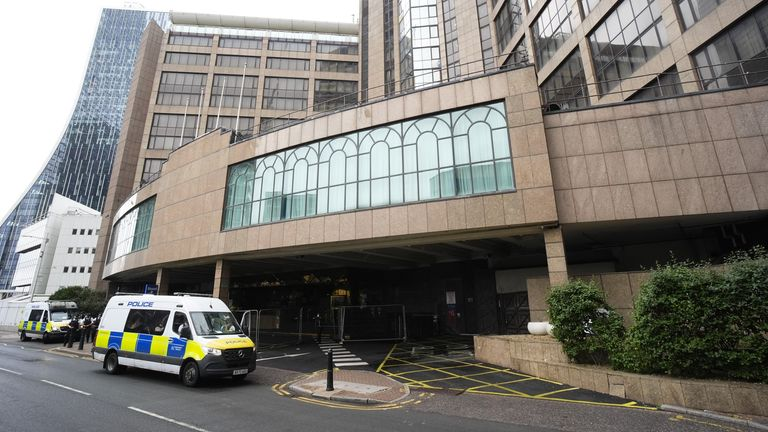
This situation sheds light on the responsibilities of residents and the importance of de-escalation in conflict scenarios. While Augustus may have felt threatened by the initial intrusion into her home, the response at the hotel, which involved confrontation with security personnel, became a critical factor in the legal proceedings. The case underscores the necessity for measured responses, community awareness, and the role of law enforcement in preventing incidents from spiraling into violence.
Community Reactions and Broader Implications
The incident has sparked wider discussion about community safety, housing, and the handling of temporary migrant accommodations in London. The Britannia International Hotel has become a focal point for protests, reflecting the frustrations and concerns of local residents who feel that temporary housing for migrants has not been sufficiently managed. Issues such as overcrowding, lack of proper supervision, and perceived threats to personal safety have contributed to mounting tensions in the area.
Local residents have voiced concerns over how temporary migrant housing is administered, emphasizing the need for clear communication, safety protocols, and responsible management by authorities. The altercation involving Augustus is emblematic of broader challenges in neighborhoods hosting temporary accommodations, where cultural differences, heightened emotions, and social stressors can converge to create volatile situations.
The incident also brings attention to the psychological and social impacts of temporary housing arrangements on both residents and migrants. For local residents like Augustus, unexpected intrusions into private spaces create anxiety and a sense of insecurity.
For migrants living in temporary accommodations, such incidents can reinforce feelings of vulnerability and mistrust toward host communities. Addressing these dynamics requires collaborative solutions, including community engagement programs, adequate security measures, and transparent policies from local authorities.
Moreover, this case highlights the complexities faced by law enforcement in managing incidents involving both residents and migrants. Police must navigate the delicate balance between enforcing the law, protecting the rights of vulnerable populations, and ensuring the safety of local communities. In doing so, they often face scrutiny from the public and the media, underscoring the importance of professional conduct, clear communication, and thorough investigation.
The role of social media in shaping public narratives has also been significant. While footage of the events helped clarify the sequence of incidents, it also fueled debates and heightened emotions online. The rapid spread of videos and images can influence public perception, sometimes before official statements from authorities are available.
This dynamic highlights the importance of responsible media consumption, careful reporting, and measured responses from both community members and officials. Beyond the immediate legal and social implications, the Augustus case serves as a lens through which broader societal issues can be examined.
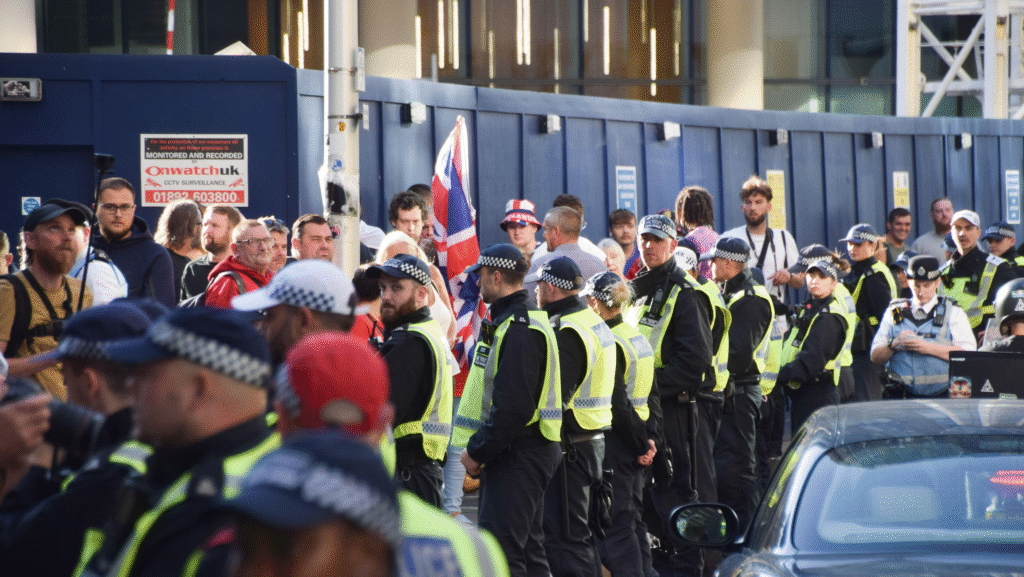
It reflects challenges in urban planning, social integration, and resource management in cities like London, where the pressures of population density and migrant accommodation intersect. The incident emphasizes the need for proactive strategies to prevent conflicts, ensure safety, and promote harmonious coexistence between long-term residents and transient populations.
The case of Channay Augustus illustrates the intricate relationship between individual actions, community safety, and social tensions in high-density urban areas. The sequence of events—from the intrusion into her flat to the subsequent confrontation at the Britannia International Hotel—highlights the complexities faced by residents, authorities, and security personnel alike.
As Augustus prepares to appear in court, the outcome will carry implications beyond her individual case. It may influence how similar incidents are managed in the future, guide the implementation of safety measures in temporary housing, and shape discussions about community engagement and migrant accommodation policies. The incident serves as a reminder of the importance of legal accountability, responsible conduct, and proactive community involvement to mitigate conflicts and promote a safe environment for all residents.
The situation also underscores the broader societal challenges of integrating temporary migrant accommodations within established communities. Ensuring the safety and well-being of both residents and migrants requires thoughtful planning, clear communication, and a commitment to peaceful conflict resolution. By examining this incident and its context, authorities, community members, and policymakers can gain insights into improving safety, cohesion, and mutual understanding in urban areas facing similar pressures.
The unfolding events in Tower Hamlets and Canary Wharf serve as a case study in the complexities of urban life, highlighting how personal conflicts can escalate amid social tensions and the responsibilities that fall on all parties to maintain safety, respect, and legal accountability.