
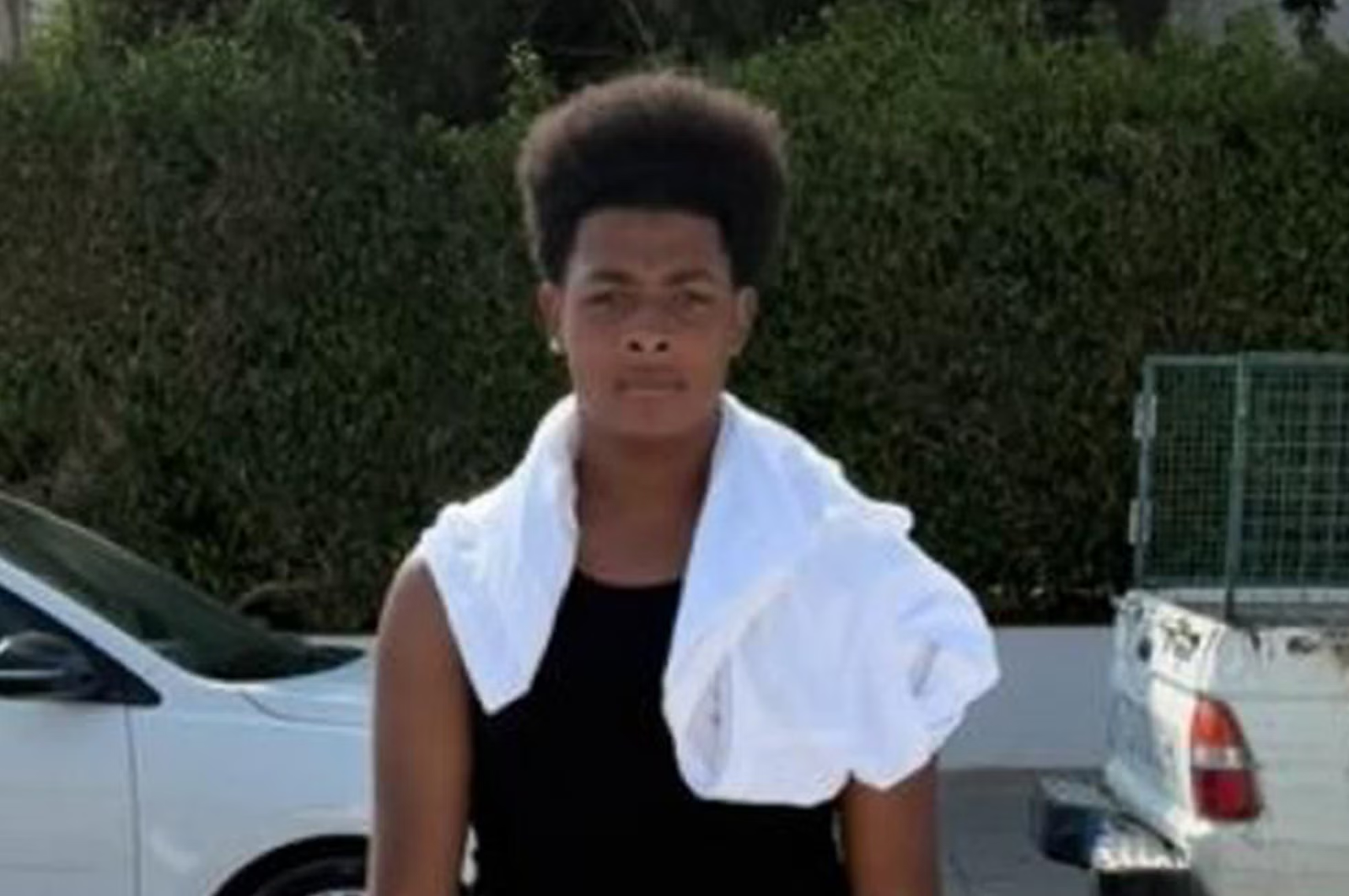
The fatal stabbing of 18-year-old Maliki Sharma in Feltham has drawn significant attention across west London, prompting a major police investigation and raising deep concern within the local community. The incident, which occurred in the early evening of 12 January, resulted in the death of a young man described by those close to him as kind, ambitious, and devoted to his family.
Authorities have since charged a 16-year-old boy with murder, while additional teenagers and a young adult face related charges connected to the events surrounding the attack. As the legal process moves forward, the circumstances of the incident, the response by police, and the life Maliki Sharma lived before his death have become central to understanding the profound impact of this tragedy.
Incident and Immediate Police Response
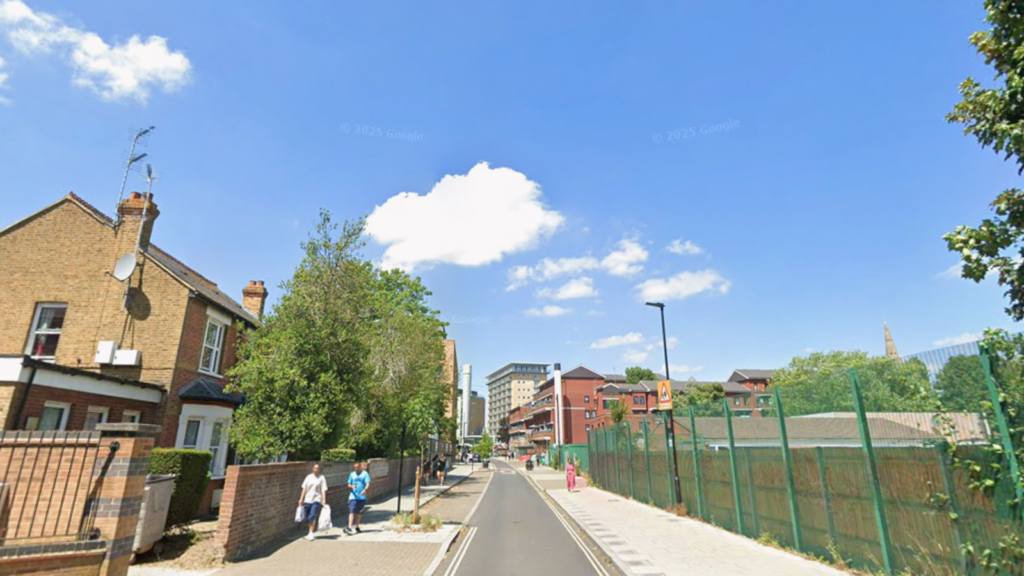
Emergency services were called to Victoria Road in Feltham at around 5pm on 12 January following reports of a stabbing. When Metropolitan Police officers arrived at the scene, they discovered Maliki Sharma suffering from multiple stab wounds. Despite the rapid arrival of emergency responders and efforts to provide medical assistance, he was transported to hospital where he was later pronounced dead. The severity of his injuries made survival impossible, and the incident was immediately treated as a homicide investigation.
Specialist officers were assigned to support Maliki’s family, who were confronted with sudden and devastating news. The loss of a young family member in violent circumstances often places immense emotional strain on relatives, and police involvement in such cases extends beyond investigative responsibilities to include guidance and support for those grieving.
The seriousness of the incident led to swift investigative action. Police began gathering evidence from the scene and surrounding areas, conducting inquiries and identifying individuals who may have been involved. Detectives worked to piece together the sequence of events leading to the attack, relying on witness accounts, forensic examination, and surveillance where available.
The violence of the crime and the age of those involved quickly drew public attention. Local residents expressed distress over the fatal stabbing, particularly given its occurrence in a public area during the early evening. The presence of police in the neighbourhood increased following the incident, with authorities acknowledging the concern and anxiety felt within the community.
Read : Greece Becomes First EU Country to Introduce a Six-Day Working Week
Detective Chief Inspector Allam Bhangoo, who is leading the investigation, publicly expressed sympathy for the victim’s loved ones. He also acknowledged the emotional toll on local residents, noting that increased police presence in the area was intended both to reassure the public and to assist in ongoing investigative efforts. Such measures are typical in the aftermath of violent incidents, especially when they involve young individuals and occur within residential communities.
Charges and Legal Proceedings
In the days following the stabbing, police carried out arrests linked to the investigation. Three teenagers were initially detained in connection with the incident, with further inquiries resulting in formal charges being brought against several individuals.
A 16-year-old boy from Hounslow has been charged with murder. Due to legal protections surrounding minors, his identity has not been publicly disclosed. He appeared before Willesden Magistrates’ Court and was remanded into custody. His case is scheduled to proceed at the Old Bailey, where serious criminal trials in London are heard.
Read : Coach Benjamin Beau Brady Charged with Trading Alcohol for Sexual Favors from Teenage Girls
Two additional 16-year-old boys, also from Hounslow, have been charged with conspiracy to commit grievous bodily harm. Both have been remanded into youth detention as the legal process continues. The nature of conspiracy charges suggests alleged involvement in planning or facilitating violence, though the court proceedings will determine the extent of each individual’s role.
Separately, 19-year-old Rhys Huskinson of North Road, Feltham, was charged with affray and possession of an offensive weapon in connection with the investigation. Police later confirmed that following further inquiries, these charges were amended to attempted grievous bodily harm. Amendments to charges often occur when new evidence emerges or when investigators reassess the alleged actions of those involved.
The legal process in such cases involves multiple stages, including hearings, evidence presentation, and eventual trial where applicable. Given the ages of several defendants, youth justice procedures and protections apply, particularly regarding anonymity and detention arrangements. The courts will ultimately determine responsibility, guilt, and sentencing based on the evidence presented.
Cases involving multiple defendants and varying charges often reflect complex circumstances surrounding violent incidents. Investigators must establish individual actions, intent, and involvement, which can require extensive examination of communications, movements, and witness testimony. As proceedings continue, the judicial system will assess these elements in detail.
Life and Aspirations of Maliki Sharma and Community’s Response
While legal developments remain ongoing, much of the public focus has centred on the life of Maliki Sharma and the loss experienced by those who knew him. Family members and friends have described him as warm, humorous, and caring, emphasising his close relationship with his mother and older brother. Their memories portray a young man with strong personal bonds and a future shaped by clear ambitions.
A family spokesperson described the emotional impact of his death as overwhelming, conveying the depth of grief felt by those closest to him. They characterised him as someone who brought energy and kindness into the lives of others, highlighting his cheerful personality and the affection he showed toward family members.
Read : 14-Year-Old Ja’Quavyz Howell Fatally Shot by Fellow Teen at Lieutenants Run Apartments
Maliki Sharma was a student at West Thames College, where he was training to become an electrician. His educational path reflected a practical ambition: to gain a trade, build a career, and eventually establish his own business. According to those who knew him, his motivation extended beyond personal success. He had expressed a desire to support his mother financially and create stability for his family.
Such aspirations are often central to how young people envision adulthood — through work, independence, and the ability to care for loved ones. For Maliki, this vision formed a clear direction for his future. His death therefore represents not only the loss of a young life but also the loss of plans, potential achievements, and the contributions he hoped to make.
The emotional response from the community has reflected both sorrow and concern. Violent incidents involving teenagers frequently generate wider anxiety about youth safety, social pressures, and the conditions that contribute to such acts. Residents in Feltham have expressed distress at the loss and unease about violence affecting young people in their area.
Police recognition of community concern underscores the broader social impact of the incident. When violence occurs within familiar neighbourhoods, it can alter perceptions of safety and stability. Increased police visibility, while part of investigative procedure, also serves to reassure residents that authorities are actively addressing the situation.
For Maliki’s family, however, public attention cannot lessen the personal magnitude of their loss. The descriptions offered by relatives and friends emphasise not only grief but also remembrance — a determination to ensure that he is known not solely as a victim of violence but as a person with character, humour, and purpose.
His ambition to become an electrician, to build a business, and to support his family reflects a future that was still unfolding. Those who knew him have emphasised that he had his whole life ahead of him, a sentiment often expressed when young lives are cut short but one that carries particular weight when accompanied by clear goals and close family ties.
The ongoing investigation, legal proceedings, and community response continue to shape the public understanding of the case. Yet at its centre remains the life of an 18-year-old whose death has left lasting effects on his family, his friends, and the area in which he lived. As the judicial process unfolds, the memory of who he was and what he hoped to become remains a defining part of how this tragedy is understood.