

The dismissal of charges in a tragic accident involving the death of a six-year-old boy in Frayser has drawn attention to the complexities of legal accountability in roadway incidents. The case, centered on Kenyunte W. Goss, initially appeared straightforward following her arrest shortly after the collision. However, within days, the legal direction shifted significantly, with all charges against her being dropped during a court hearing.
The development has left many questioning the circumstances surrounding the accident, the legal standards applied, and the broader implications for similar cases. The incident occurred at the intersection of Signal Street and Whitney Avenue, where a young child lost his life after being struck by a vehicle. According to initial reports, Kenyunte W. Goss was driving westbound when the collision happened.
The child had been playing basketball, and moments before the impact, he entered the roadway while interacting with the ball. Surveillance footage reportedly captured the sequence of events, showing the child dropping and kicking the ball into the street before the vehicle made contact. The driver remained at the scene following the incident, and the child was transported to a nearby hospital in critical condition, where he was later pronounced dead.
Details of the Incident and Initial Charges
In the immediate aftermath of the collision, authorities moved quickly to file charges against the driver. Kenyunte W. Goss was charged with driving while her license was suspended, revoked, or canceled, as well as a financial responsibility violation. These charges, classified as misdemeanors, were not directly related to the act of causing the fatal accident itself but rather to her legal status as a driver at the time of the incident.
The distinction between criminal responsibility for a fatal crash and violations related to licensing or insurance is significant. In many jurisdictions, a fatal accident does not automatically result in severe criminal charges unless there is evidence of negligence, recklessness, impairment, or intentional wrongdoing. In this case, initial reporting did not indicate that Kenyunte W. Goss was under the influence of substances or engaging in reckless driving behaviors such as excessive speeding.
The presence of surveillance footage added another layer to the investigation. Video evidence showing the child entering the roadway while playing basketball may have played a critical role in determining how the incident unfolded. Such footage can influence how investigators assess fault, particularly in cases where a pedestrian unexpectedly enters traffic. The timing, visibility, and driver reaction all become essential factors in determining whether the driver could have reasonably avoided the collision.
Read : Top Ten Famous Tourist Spots in Italy
Despite the seriousness of the outcome, the charges filed against Kenyunte W. Goss were limited to her driving status and compliance with legal requirements for operating a vehicle. This suggests that from the outset, authorities may not have found sufficient evidence to support more severe criminal charges related to the act of striking the child.
Legal Considerations and Reasons for Dismissal
The decision to drop all charges less than a week after the arrest indicates that prosecutors reassessed the case based on available evidence. In criminal proceedings, the burden of proof lies with the prosecution, which must establish beyond a reasonable doubt that a defendant committed the alleged offenses. If new evidence emerges or if existing evidence fails to meet this threshold, charges may be dismissed.
In this case, the dismissal of even the misdemeanor charges raises questions about the legal interpretation of the driver’s actions and responsibilities. One possible factor is the determination of whether Goss’s suspended or revoked license had a direct causal link to the accident. While driving without a valid license is a violation, courts often consider whether that violation contributed to the incident itself. If the accident would have occurred regardless of the driver’s licensing status, this can influence the outcome of related charges.
Read : Ambulance Driver Faces DUI Charges After Crash Kills Infant, Leaves Mother in Critical Condition
Additionally, the financial responsibility charge typically relates to insurance coverage. If there was insufficient evidence to prove a violation or if documentation was later provided, this could lead to dismissal. Legal proceedings often involve the submission of updated records or clarifications that were not immediately available at the time of arrest.
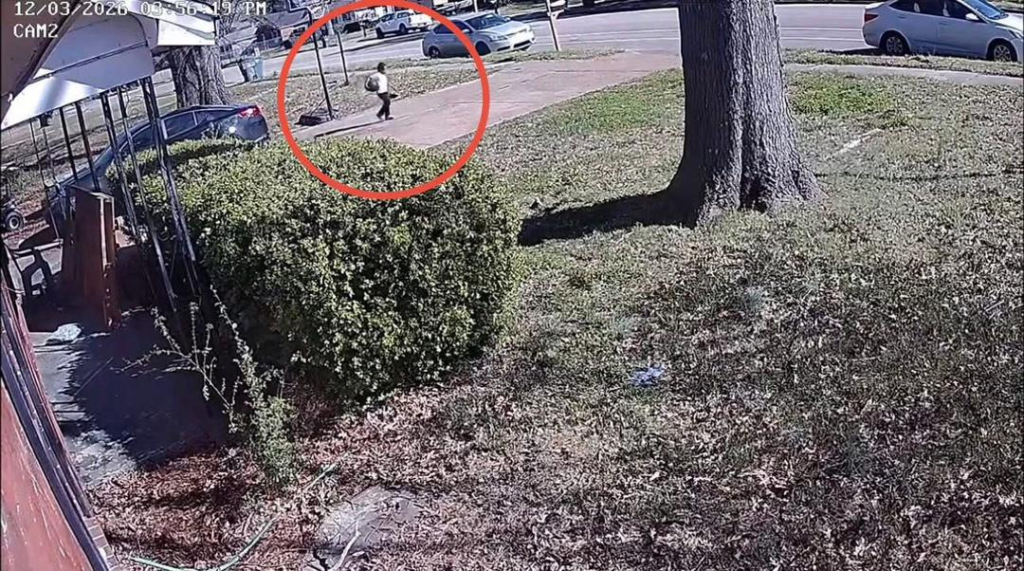
Another critical element is the behavior of the child prior to the collision. Cases involving pedestrians, especially children, are often complex because they involve unpredictable movements. Courts may consider whether the driver had adequate time to react, whether the child’s actions created an unavoidable situation, and whether the driver exercised reasonable care under the circumstances.
The presence of surveillance footage likely played a decisive role in this evaluation. If the video demonstrated that the child entered the roadway suddenly and that the driver had limited opportunity to avoid the collision, this could significantly weaken the case against the driver. In such scenarios, prosecutors may determine that pursuing charges is unlikely to result in a conviction.
The rapid dismissal also highlights the procedural nature of arrests in such incidents. Law enforcement may initially file charges based on preliminary findings, but these charges are subject to review as more evidence becomes available. The judicial system allows for adjustments to ensure that legal actions align with the facts of the case.
Community Impact and Broader Implications
The incident has had a profound impact on the local community, particularly given the young age of the victim and the circumstances surrounding the accident. Fatal incidents involving children often generate strong emotional responses and heightened public scrutiny. The dismissal of charges in such cases can lead to mixed reactions, with some viewing it as a reflection of the evidence and others questioning whether justice has been fully served.
Read : Wife of Teacher Who Died During Prank Urges Authorities to Drop Charges Against Jayden Ryan Wallace
From a broader perspective, the case underscores the challenges in balancing legal accountability with the realities of roadway incidents. Not all tragic outcomes result from criminal behavior, and distinguishing between unavoidable accidents and negligence is a complex process. This distinction is especially important in cases involving children, who may act unpredictably and are less likely to fully understand traffic risks.
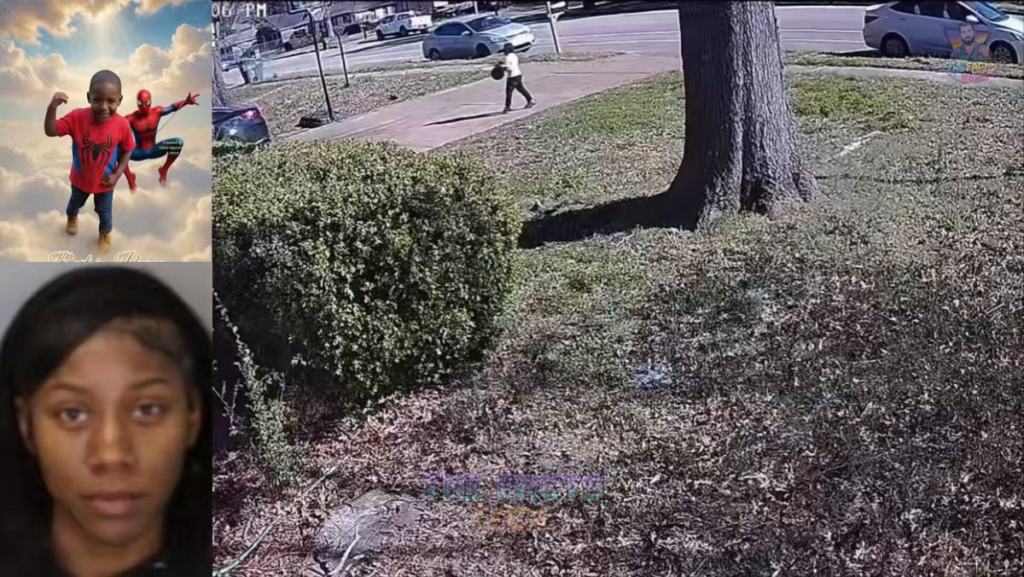
The role of surveillance footage in modern investigations is also evident in this case. Video evidence can provide clarity that was not previously available in similar incidents, allowing investigators to reconstruct events with greater accuracy. This can lead to more informed legal decisions but may also challenge initial assumptions made in the immediate aftermath of an accident.
The case may also prompt discussions about road safety measures in residential areas. Streets where children play often present unique risks, and measures such as traffic calming, signage, and community awareness campaigns can help reduce the likelihood of similar incidents. While legal proceedings focus on individual responsibility, broader safety considerations involve community planning and preventive strategies.
For families, incidents like this represent a devastating loss that extends beyond legal outcomes. The absence of criminal charges does not diminish the emotional impact or the need for support and healing. Communities often respond to such tragedies by emphasizing awareness and encouraging safer practices among both drivers and pedestrians.
The dismissal of charges against Kenyunte W. Goss reflects a legal conclusion based on the available evidence and applicable standards of proof. It illustrates how the justice system navigates complex situations where tragic outcomes do not necessarily equate to criminal liability. At the same time, it highlights the importance of continued attention to road safety, especially in areas where children are present, and the need for careful, evidence-based decision-making in the pursuit of justice.