

The tragic deaths of Arkansas mother Charity Beallis and her six-year-old twins inside their sprawling Bonanza home have shaken the small community and raised unsettling questions about the circumstances surrounding the case. Discovered just one day after her divorce from her husband, Dr. Randall Beallis, was finalized, the killings have drawn intense scrutiny not only because of their horrific nature, but also because Charity had long expressed fears about her safety and frustrations with a system she believed had failed to protect her.
As investigators release few details about possible suspects or motives, loved ones and residents are left grieving and demanding answers, while the broader public confronts the difficult reality of domestic violence cases that escalate despite prior intervention. This incident, unfolding in the shadow of a recent divorce hearing and a previously documented history of abuse, has brought renewed attention to gaps in victim protection and the complexities of family violence cases.
A Troubling History Preceding the Tragedy
Official records show that tensions within the Beallis family had been escalating for months before the fatal shootings. In February, Charity Beallis’s then-estranged husband, Dr. Randall Beallis, was arrested after choking her in front of their children. Although the seriousness of the incident was not in dispute, the criminal charge resulted in a plea deal that many observers now view as troublingly lenient. Dr. Beallis pleaded guilty in October to third-degree battery, receiving a one-year suspended sentence and approximately $1,500 in fines.
Charity Beallis later cited the choking incident in her petition for divorce, filed in March, stating she sought full custody of her twins for their safety. Public posts made by Charity during the divorce proceedings offered a window into her emotional state and her growing disillusionment with the legal process. In August, she commented on a local news Facebook post unrelated to her specific case but referenced her own experience with clear frustration.
She wrote that she felt like the victim whose voice had been silenced, while the “criminal – a local doctor – is being shielded by the very system that’s supposed to protect us.” Those words, now re-examined in hindsight, underscore the sense of fear and helplessness she felt during a period in which she believed vital institutions were not responding adequately to her concerns.
Read : Allyson Felix Launches First-Ever Olympic Village Nursery for Athletes’ Kids at Paris Olympic 2024
Meanwhile, as the divorce case moved slowly through the court system, Charity Beallis continued to pursue legal avenues for safety and separation. A key hearing took place just one day before her death, marking what should have been a significant step toward independence from her estranged husband. Within 24 hours, however, Charity and her young twins were found dead inside their home, prompting speculation and widespread alarm among friends, family, and residents of the Bonanza area.
Discovery of the Bodies and Early Investigation
On Wednesday morning at approximately 9:30 a.m., officers from the Sebastian County Sheriff’s Office responded to a welfare check request at the Beallis residence in Bonanza, a community situated along the Oklahoma border. When deputies knocked repeatedly and received no response, two individuals who had been working at the home provided law enforcement with access to the property. Once inside, officers located the bodies of 40-year-old Charity Beallis and her six-year-old twins, each killed by gunshot wounds.
The discovery immediately set off an intense investigation, but authorities have remained tight-lipped about their findings, including whether there is a suspect, persons of interest, or potential motive. The lack of information released publicly has frustrated Charity Beallis’s loved ones, who continue to call for transparency and swift action. Her eldest son, John Powell, described the children as “precious” and emphasized that they were entirely innocent in the conflict that engulfed the adults around them.
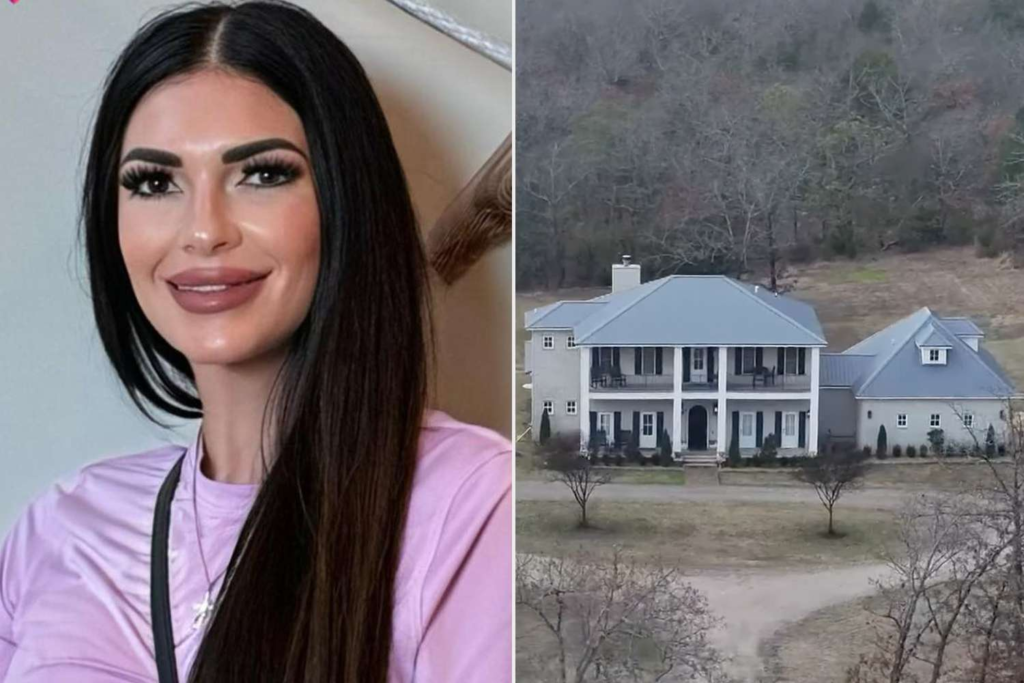
He also said he believed his mother fought back in her final moments, noting that she may have been shot twice during what he believes was an attempt to protect herself and her children. Charity Beallis’s father echoed the emotional turmoil felt by the family, speaking of alternating between grief and anger as he tries to make sense of the unimaginable loss. One day after authorities publicly confirmed the deaths, an unusual development occurred within the parallel legal landscape of the divorce case.
Randall Beallis’s attorney filed a motion to dismiss the divorce proceedings, a procedural action possible because Charity, the petitioner, was now deceased. This timing raised eyebrows among observers, though it remains a legal formality and does not inherently reflect involvement in or knowledge of the killings. The sheriff’s office has not indicated whether the motion has any relevance to the criminal investigation, and officials have provided no updates regarding any connection between the prior domestic abuse case and the triple homicide.
Adding to the public’s concerns is the confirmation from the Arkansas Department of Health that Dr. Beallis still holds an active medical license, which does not expire until 2027. Some members of the community have questioned whether the license status should be reevaluated pending investigative progress, especially given his documented history of violence. Officials have not commented on whether any administrative review is underway.
Family Grief and Community Response
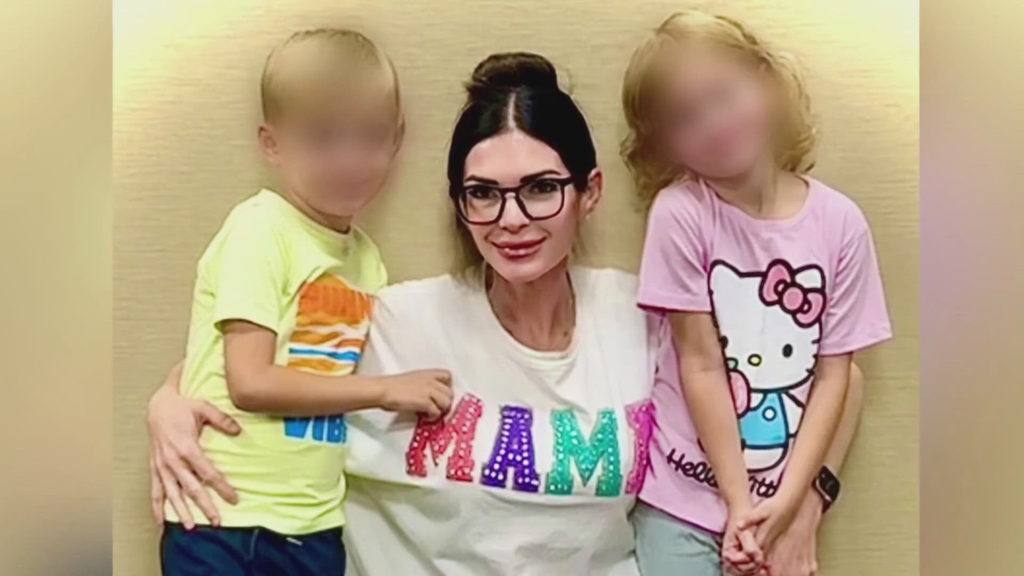
For those closest to Charity, the days since the tragedy have been marked by sorrow, disbelief, and a growing determination to seek justice. John Powell, Charity’s adult son and half-brother to the twins, described his mother as a fighter who deeply loved her children and tried to shield them from harm even as the family navigated conflict. He also expressed anger not only at the horrific violence but at the failures he believes contributed to it, including what he describes as inadequate legal protections for his mother.
Charity’s father similarly spoke about the emotional devastation of losing both his daughter and grandchildren, admitting that the grief comes in waves and is often accompanied by confusion over how such extreme tragedy could strike a family already struggling through a domestic dispute. The Powells, united in grief, have vowed to continue pushing for answers from the sheriff’s office and other officials involved in the investigation. Their primary focus remains securing justice for Charity Beallis and the twins, though they have also indicated their hope that broader systemic issues will eventually be addressed to prevent future tragedies.
Community members in Bonanza and surrounding Sebastian County have also voiced concerns about domestic violence cases that involve power imbalances, such as when one partner is a medical professional or holds a respected public position. The sentiment expressed by Charity in her social media posts—feeling unheard by authorities—resonates with others who have faced similar challenges navigating legal protections while seeking safety from abusive partners.
In the wake of the killings, local advocacy groups and residents have renewed calls for increased funding for domestic violence resources, greater responsiveness from prosecutorial offices, and more rigorous risk assessments for victims who express credible fear before or during divorce proceedings. Amid the community’s grief, reminders abound of the human lives at the center of the tragedy.
The twins, both born in 2019, were remembered by relatives as bright, gentle children who loved spending time with their mother and older siblings. Their sudden and violent deaths have intensified the public outcry and fueled demands for a thorough and transparent investigation. While no official statements have been provided regarding potential threats identified prior to their deaths, the context of a pending divorce and past domestic violence has left many questioning whether more could have been done to protect the family.
As investigators continue their work, much remains unknown about the final moments inside the Beallis home. Authorities have not confirmed whether forced entry was found, whether a weapon was recovered, or whether there were signs of a struggle beyond what family members have inferred. The sheriff’s office has assured the public that the investigation remains active and ongoing, though updates have been limited. For now, the Bonanza community mourns, the family grieves, and the search for justice continues under the weight of profound loss and unanswered questions.
Alright, 9pgame! Heard some whispers about this one. Gonna check it out and see if it lives up to the hype. Hope it’s got some good action! 9pgame
References:
Mobile phone casino
References:
https://king-bookmark.stream/story.php?title=crypto-trading-platforms-with-low-minimum-deposit
References:
Best mass building stacks
References:
https://conspiracytheoristdating.com/@marilynn279550
References:
Play video poker online
References:
https://www.instructables.com/member/cirrusdesk26/
References:
12 week steroid cycle before and after
References:
https://www.jasminsideenreich.de/Blog/index.php/;focus=STRATP_com_cm4all_wdn_Flatpress_7099662&path=?x=entry:entry230102-094028%3Bcomments:1
References:
How many bodybuilders use steroids
References:
https://neue-siemensstadt.de/index.php/;focus=STRATP_com_cm4all_wdn_Flatpress_33924977&path=?x=entry:entry240122-221052%3Bcomments:1